NEET UG 2026: Inside the Centre’s race to secure the June 21 re-test
NEET UG 2026 re-test: Pradhan reviews NTA readiness, tightens security and coordination
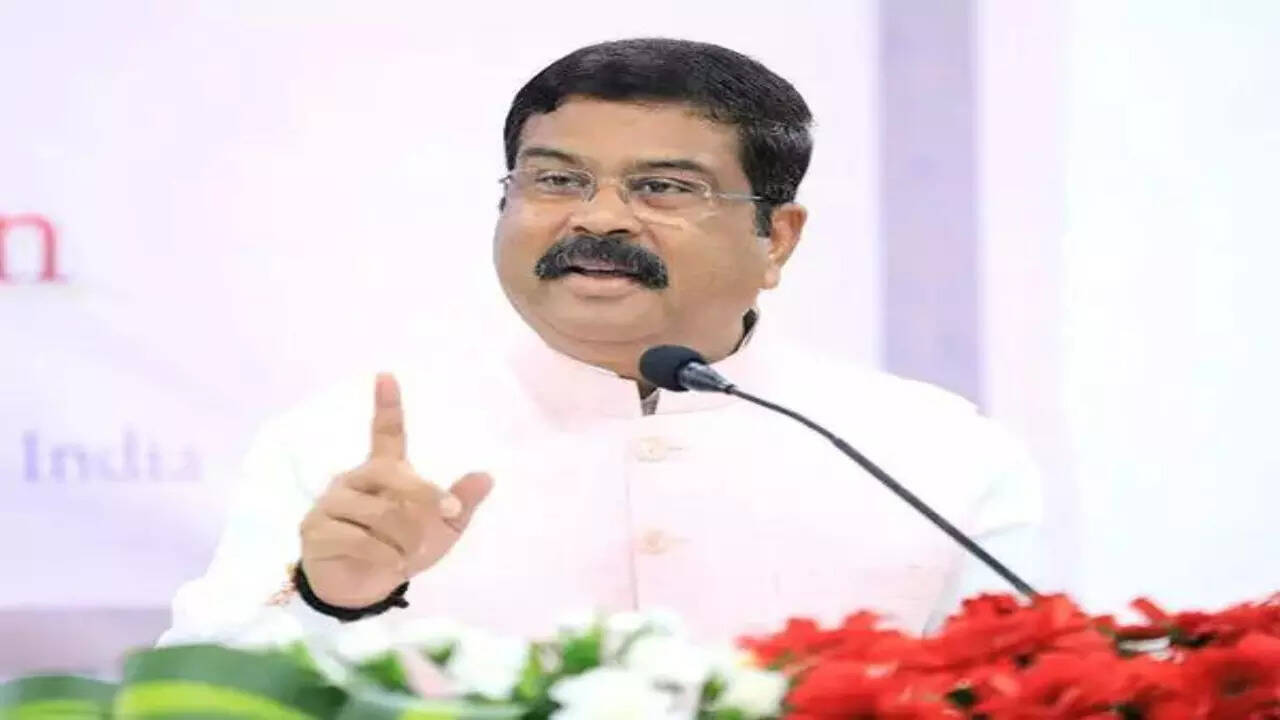
Union Education Minister Dharmendra Pradhan is personally overseeing a massive administrative overhaul at the NTA to ensure the high-stakes medical entrance exam remains leak-proof.
The atmosphere at the National Testing Agency (NTA) headquarters in Delhi has shifted from routine administration to a war-room-like intensity. With over 2.2 million candidates set to appear for the rescheduled NEET UG examination on June 21, Union Education Minister Dharmendra Pradhan is leaving little to chance. Following the cancellation of the May 3 test due to a cascading series of paper leaks, the Ministry of Education has initiated a top-down restructuring to reclaim the integrity of India’s most critical medical entrance process.
A complete administrative reset
During his recent visit to the NTA, Pradhan emphasized that the government’s focus is on “strict confidentiality” at every link in the chain—from the initial setting of question papers to their final distribution across 5,400 centres in 550 cities. To support this, the ministry has brought in a fresh wave of senior officials, including new Joint Secretaries and Directors, to bolster the agency's oversight capabilities. This isn't just about more staff; it is about assigning specific, clear-cut responsibilities to ensure there are no blind spots in the management of the examination.
The minister has also roped in heavyweights to guide the reform process. Dr. K. Radhakrishnan, former ISRO chief, is actively involved in his capacity as the head of the high-powered steering committee, ensuring that the lessons learned from the recent controversy are being woven into the current re-test preparations. Coordination is now being managed at the highest levels of government, with the Cabinet Secretary leading inter-departmental meetings and the Union Home Secretary set to preside over a high-level security review in the coming days.
Why it matters
The stakes for the NEET re-exam extend far beyond the logistics of a single day. For the government, this is a test of its ability to safeguard the future of millions of aspiring doctors after the CBI investigation exposed a deep-rooted network of coaching centre founders, faculty, and even NTA-linked personnel. The systemic rot revealed by the probe—spanning cities from Delhi to Latur—has prompted the state to move away from internal reliance. By engaging intelligence agencies and implementing cyber-protection measures, the ministry is attempting to insulate the exam from the "breach in the chain of command" that crippled the May session. The real challenge, however, will be whether these emergency protocols can become a permanent, foolproof feature of the NTA's architecture.
Student-centric security
Beyond the hard security, Pradhan has instructed officials to ensure the environment at test centres is "student-friendly." This includes logistical support such as transportation and access to essential facilities, alongside the previously promised 15 minutes of compensatory time to account for the pressures of the day. As the CBI continues its probe into the 13 individuals already arrested, the ministry’s directive to district magistrates and police superintendents suggests that monitoring will be decentralized, pushing the burden of vigilance down to the local level to ensure that the sanctity of the June 21 test remains uncompromised.
Priya Nair covers parties, elections and the business of power for PoliticalPedia.