Musk’s Trillion-Dollar Horizon: How the SpaceX IPO Is Redefining Global Wealth
SpaceX IPO gives wings to Elon Musk’s wealth; on way to becoming world’s first trillionaire, net worth at par with Taiwan’s GDP
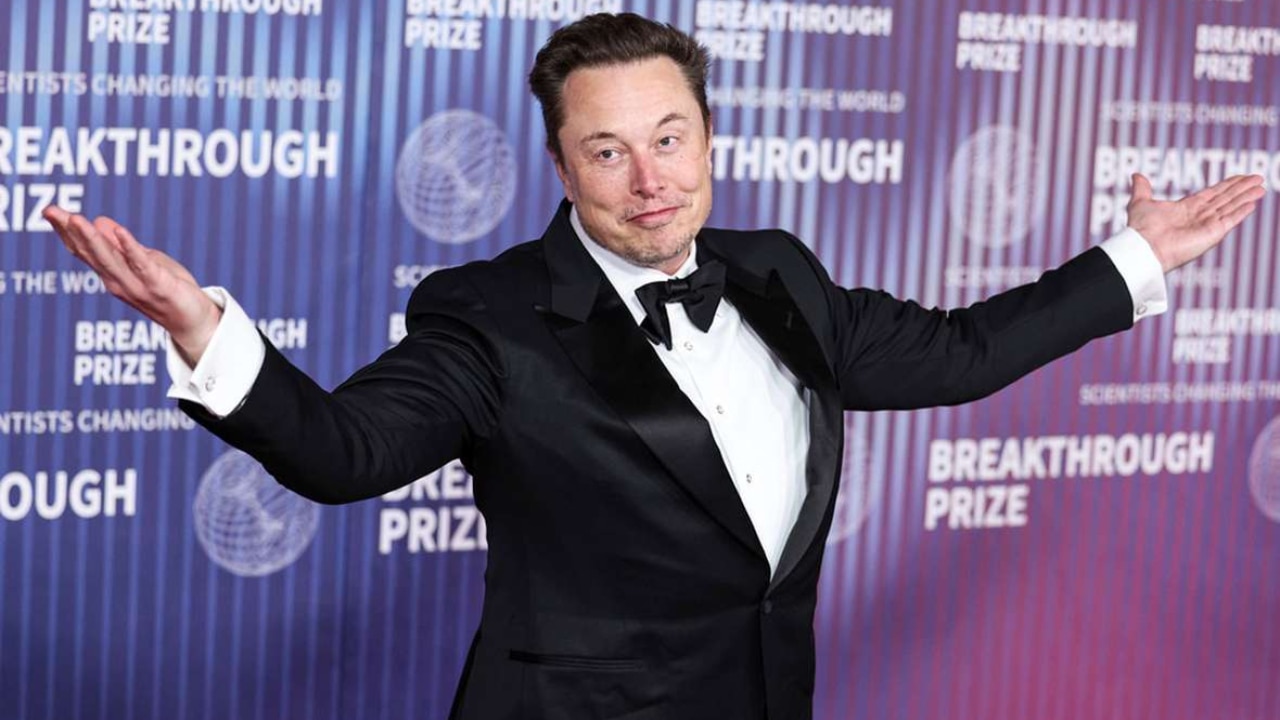
As the SpaceX IPO hits the markets, Elon Musk is poised to become the world’s first trillionaire, with a net worth now rivaling the entire economic output of Taiwan.
The numbers are no longer just figures on a balance sheet; they have entered the realm of national economics. With the launch of the SpaceX IPO—the largest in U.S. market history—Elon Musk has effectively pushed his personal fortune into a league previously occupied only by sovereign nations. Trading at a set price band of $135 per share, the aerospace giant has hit a staggering market valuation of $1.77 trillion, a move that has sent Musk’s net worth surging by $274 billion in a single stroke.
A Wealth Gap Like No Other
Data from the Bloomberg Billionaires Index places Musk’s current net worth at $971 billion. To put that into perspective, he is now three times wealthier than Larry Page, the Google Alphabet co-founder who currently sits in second place with $304 billion. Musk’s personal fortune has grown by $351 billion this year alone—an increase that is itself larger than the total net worth of the world’s second-richest person.
We are looking at a milestone where an individual’s wealth is now on par with the GDP of Taiwan, which hovers around $976 billion. As trading for SpaceX shares begins, projections from independent financial analysts suggest Musk is all but guaranteed to breach the $1.1 trillion mark, cementing his status as the first person in modern history to claim the title of trillionaire.
Why it Matters: The Bigger Picture
This shift signals a profound transformation in how we define power in the 21st century. When a single individual’s net worth exceeds the annual economic output of entire nations, the traditional boundaries between corporate enterprise and geopolitical influence begin to blur. Musk is no longer just a billionaire; he is a fiscal heavyweight whose private ventures—specifically in aerospace—now carry the market weight of a small-to-medium-sized country.
The pattern here is clear: the market is betting heavily on the "Musk premium," where private space exploration and satellite infrastructure are viewed as the bedrock of future global utility. While this IPO highlights the immense investor confidence in his vision, it also raises questions about the concentration of resources in the hands of a single private actor. As Tesla continues its expansion into markets like India, the reliance on Musk’s sprawling ecosystem for global infrastructure is only likely to intensify.
Priya Nair covers parties, elections and the business of power for PoliticalPedia.