Musk’s 55th Birthday Gambit: A Monthly AI War Against Altman and Amodei
On his 55th birthday, Musk has a warning for Sam Altman and Dario Amodei
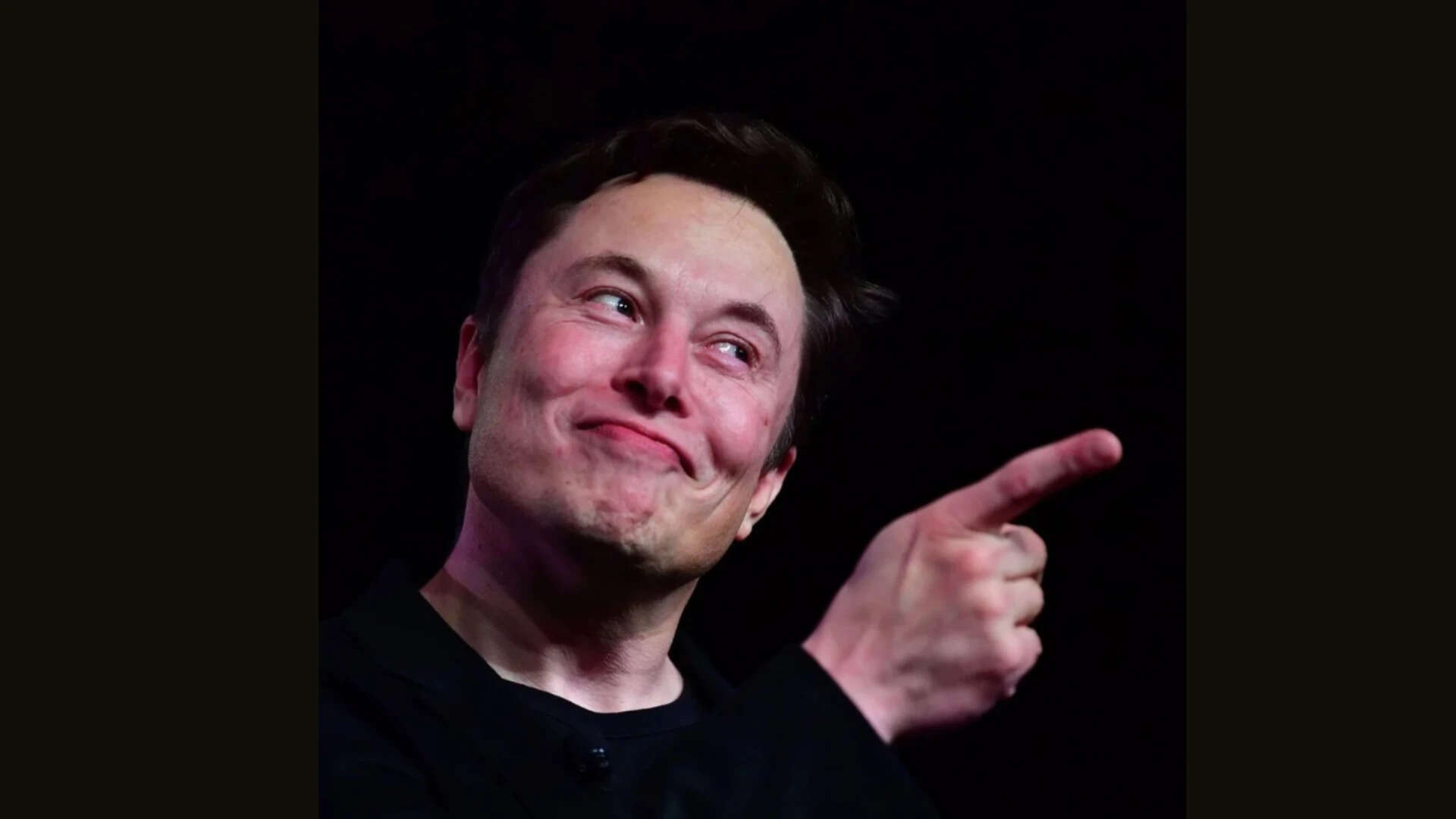
The world’s first trillionaire is challenging OpenAI and Anthropic with a relentless, high-speed release cycle for his Grok platform.
Elon Musk rang in his 55th birthday not with a quiet celebration, but by firing a warning shot at his two biggest rivals: Sam Altman and Dario Amodei. In a move that signals a shift toward total industrial warfare, the xAI founder has pledged to ship a brand-new foundation model every single month for the rest of the year. This isn't about minor patches or incremental fine-tuning; it is a promise of a complete, trained-from-scratch model hitting the market with a cadence that no other lab has dared to commit to publicly.
The first move in this high-stakes game is Grok 4.5. Currently in private beta across SpaceX and Tesla, the model is built on the 1.5-trillion-parameter v9 architecture. By integrating supplemental training data from the coding startup Cursor, Musk is looking to close the gap on industry benchmarks. While he has been careful to temper the hype—referring to v9 as a "solid workhorse" that performs on par with Anthropic’s Claude Opus—the shift from his previous 0.5T model is a significant, structural leap.
The Secret Weapon: Engineers, Not Just Compute
What makes this aggressive timeline feasible, according to the desk’s analysis, is a pivot in human capital. Musk is bypassing the traditional silicon-valley research silo by pulling a few dozen elite engineers from his Starlink and Starship divisions to focus exclusively on AI. By treating software development with the same "first principles" engineering rigor used for rocket launches, he is attempting to outpace the established incumbents through sheer operational velocity.
The momentum is already building. A larger, 2-trillion-parameter model is already deep into its training phase, with an August release tentatively on the cards. For developers and competitors like OpenAI and Anthropic, this creates a state of permanent alert. If Musk can sustain this rhythm, the traditional cycle of long-lead research and development may become a relic of the past, replaced by a "ship-first" culture that favors rapid iteration.
The Bigger Picture
Why does this matter? For the broader tech landscape, this represents a fundamental change in how large-scale foundation models are deployed. We are moving away from the era of "monolithic" releases—where a company spends a year hyping a single, massive model—toward a continuous-delivery model. If Musk succeeds, he isn't just competing on capability; he is weaponizing speed. The pressure is now squarely on Altman and Amodei to decide whether to match this frantic pace or risk losing their lead by sticking to more methodical, conservative deployment schedules.
While Musk’s bold claims are often met with skepticism, the combination of proprietary data from Cursor and the sheer focus of his engineering teams makes this a credible threat. Whether this "monthly drumbeat" actually holds up under the strain of real-world usage—or if it leads to the kind of instability often seen in erratic, high-speed ventures—remains the key question. For now, the race for the next generation of intelligence has just moved into a much higher gear.
Kabir Sharma writes on culture, technology and everyday life for PoliticalPedia.