Mumbai’s Annual Deluge: A Man-Made Disaster, Says Bombay High Court
‘We block drains, grab land’: Bombay High Court says Mumbai’s flooding ‘our own creation’
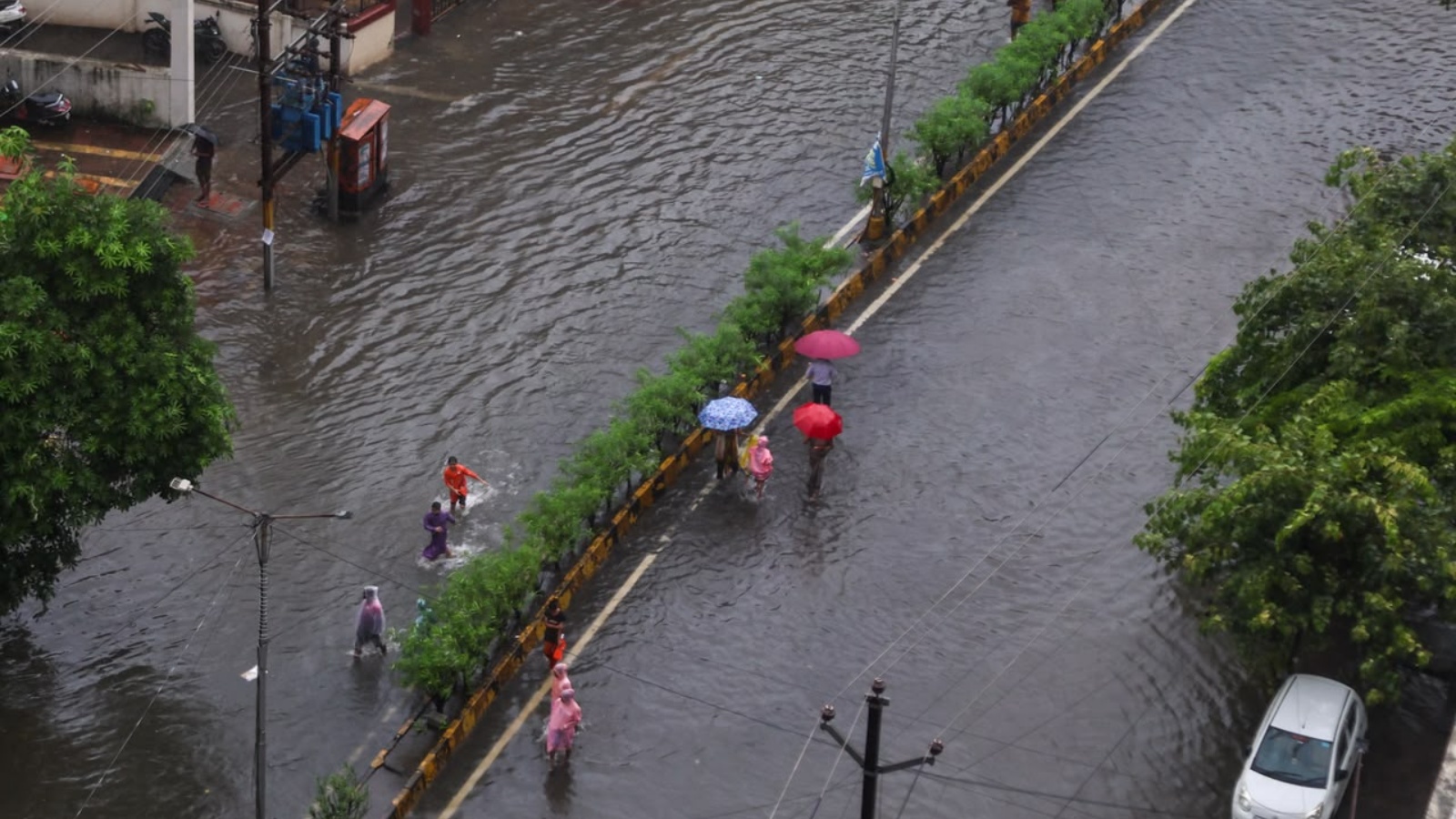
The judiciary has pulled up authorities, noting that the city's recurring floods are a consequence of illegal encroachment and systemic administrative apathy.
Every monsoon, Mumbai grinds to a halt as the city's drainage systems buckle under the pressure of relentless rain. However, the Bombay High Court has now stripped away the excuse of "natural calamity," placing the blame squarely on human negligence. In a recent judicial intervention, the court observed that the flooding of the financial capital is not merely an act of God, but a result of systemic encroachment and the deliberate blocking of natural storm-water drains.
A Legal Indictment of Governance
The court’s sharp critique reflects a growing pattern in its recent legal reporting. Judges have pointedly remarked that the city's infrastructure challenges are a "creation of our own," highlighting how land grabbing and the regularisation of illegal structures have compromised the city’s ability to discharge water. This observation, captured in detailed reporting by legal correspondents like Omkar Gokhale, underscores the bench's increasing frustration with the Brihanmumbai Municipal Corporation (BMC) and state agencies that often appear reactive rather than preventative.
By scrutinising the intersection of urban planning and environmental rights, the court is effectively reminding civic bodies that the right to a functional city is a matter of constitutional duty. The bench is no longer content with mere assurances; it is demanding accountability for the lost lives and economic disruption that accompany every seasonal deluge.
Why It Matters: The Bigger Picture
This judicial stance signals a shift from passive oversight to active institutional pressure. For years, Mumbai’s flooding has been treated as a seasonal inconvenience. By framing it as a legal failure, the High Court is attempting to force a change in how the city manages its land. When the judiciary intervenes in infrastructure and environmental matters, it does more than just issue orders; it sets a precedent that public bodies cannot hide behind the veil of administrative complexity.
If this judicial pressure holds, we may finally see a stricter enforcement against illegal construction on natural water courses. However, the challenge remains: can the executive branch align its ground-level enforcement with the court’s rigorous expectations, or will this remain another instance of powerful observations failing to translate into lasting policy reform?
The Road Ahead
The Bombay High Court’s stance is a stern wake-up call for urban planners. While the city often focuses on high-profile legal battles—such as the recent discourse surrounding personality rights or high-stakes corporate litigation—the court’s focus on the basic civic rights of Mumbaikars serves as a reminder of its core function: the protection of the common citizen. As the monsoon season continues to test Mumbai’s resilience, the court’s insistence on accountability is the only mechanism currently holding the line against total administrative collapse.
Arjun Mehta reports on government, policy and Parliament for PoliticalPedia, in English and Hindi.