Mumbai Rains Today: Heavy Rain Continue To Batter Mumbai For Third Straight Day As Local Train Services Hit
Heavy Rain Continue To Batter Mumbai For Third Straight Day, Local Train Services Hit
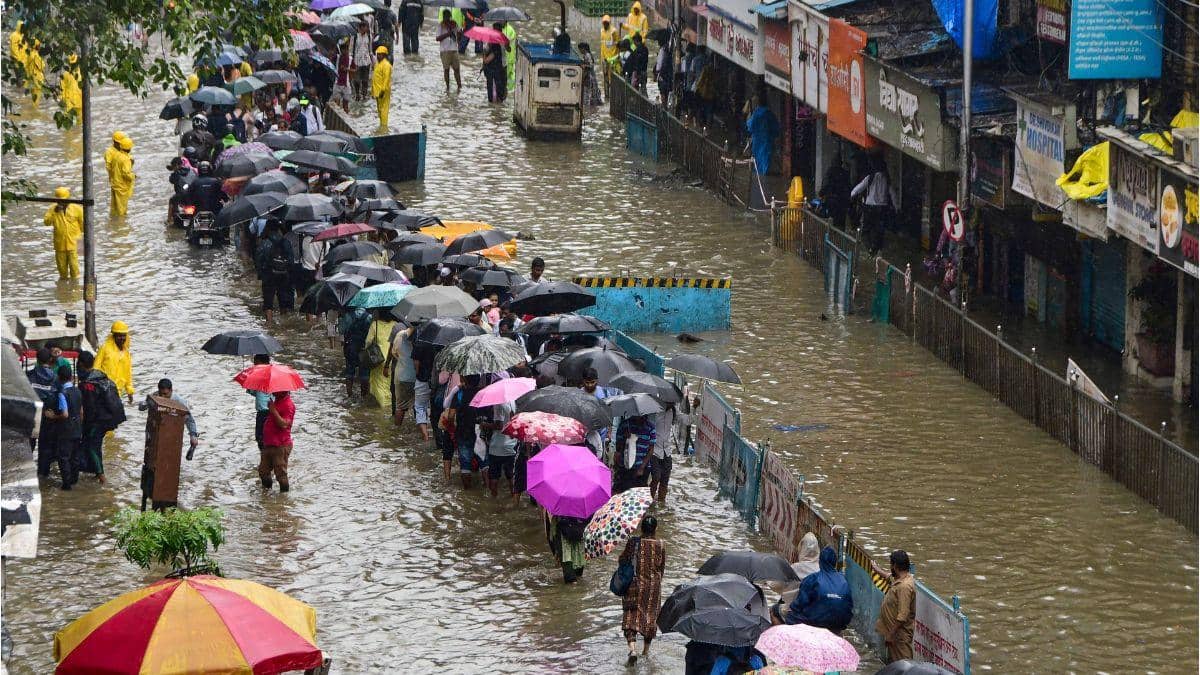
Persistent downpours have brought the financial capital to a near-standstill, forcing school closures and disrupting essential suburban rail networks.
The rhythm of Mumbai has been effectively muted for the third straight day. What began as a seasonal monsoon surge has morphed into a sustained atmospheric assault, with heavy rain continuing to batter Mumbai across its eastern and western corridors. From the southern tip of Colaba to the far-flung suburbs of Borivali and Dahisar, the city is grappling with widespread waterlogging that has turned arterial roads into sluggish streams and sent local train services—the city’s literal lifeline—into a state of significant delay.
Commuter Chaos and Civic Disruptions
The impact on the morning rush hour was predictable yet severe. As water levels rose in low-lying pockets, the Andheri subway—a perennial trouble spot—was forced to shut down briefly, creating a ripple effect of traffic congestion across the western suburbs. While the subway has since reopened, the fragility of the city's infrastructure remains exposed. Civic agencies are on high alert, but the IMD’s forecast offers little respite, with isolated areas expected to receive very heavy showers throughout the remainder of the day.
The suburban railway, often celebrated for its resilience, is struggling to maintain its schedule. With 33 trains reported diverted and widespread delays, the ripple effect is being felt by thousands of office-goers. Compounding the situation, authorities have declared a holiday for schools and colleges, a necessary precautionary measure as the intensity of the rainfall shows little sign of easing. The tragic reports of a man losing his life after falling into an open manhole obscured by waterlogging have further underscored the grave risks posed by this weather event.
Why It Matters: The Urban Infrastructure Challenge
This ongoing crisis highlights a recurring narrative in India’s urban planning: the struggle between rapid development and the city’s capacity to handle extreme climate events. When heavy rain continues to lash a metropolis for three consecutive days, the immediate impact is traffic and transit delays, but the long-term implication is a question of drainage capacity and disaster preparedness.
As climate patterns become increasingly erratic, Mumbai’s dependence on legacy drainage systems is being pushed to the brink. The frequency of these "red alert" days suggests that the city’s infrastructure—which was designed for a different era of rainfall intensity—is now perennially playing catch-up. For the policy establishment, the challenge lies in moving beyond reactive management toward a more robust, climate-resilient urban strategy that can withstand the new, more violent reality of the monsoon.
Staying Alert
The India Meteorological Department maintains a red alert for parts of the region, emphasizing that the weather conditions are expected to persist. Commuters are being urged to plan their journeys with caution and monitor civic updates. While the city waits for the skies to clear, the focus remains on essential services and emergency response, ensuring that the waterlogging does not lead to further loss of life or prolonged economic paralysis.
Arjun Mehta reports on government, policy and Parliament for PoliticalPedia, in English and Hindi.