Mumbai on Red Alert: Monsoon Fury Hits Financial Capital After Delayed Start
Mumbai On Red Alert; IMD Warns Of Heavy Rain, Thunderstorms After Delayed Monsoon
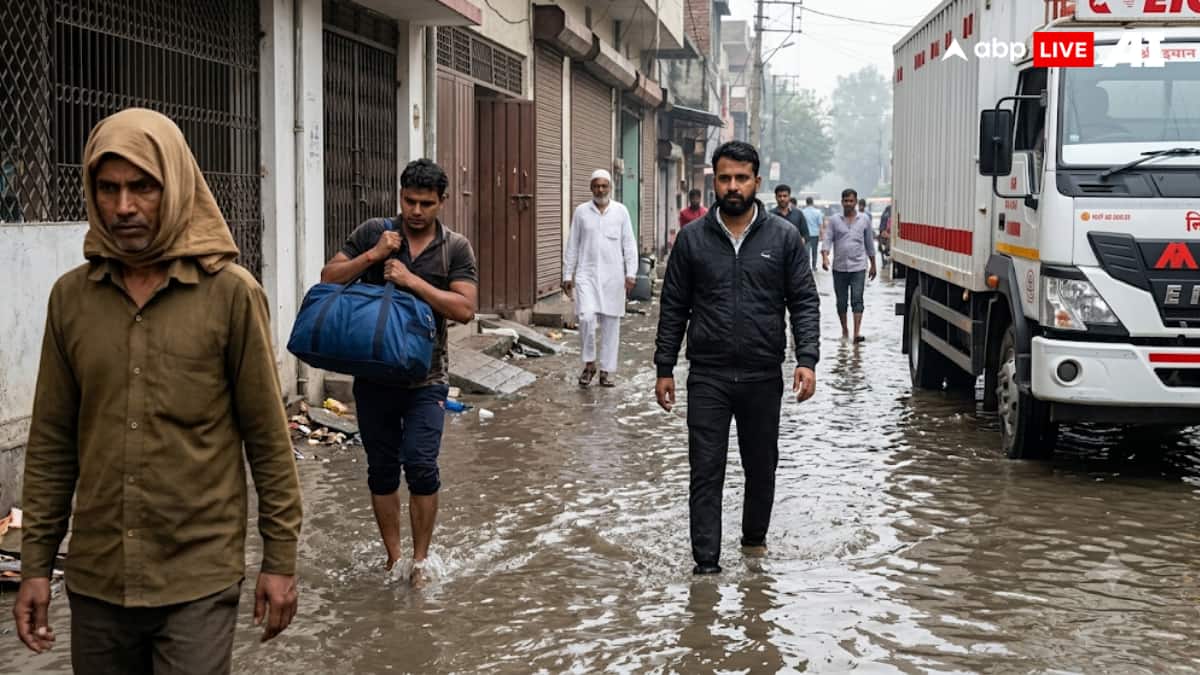
As the city grapples with submerged tracks and chaotic commutes, the IMD warns of heavy rain and thunderstorms following a significantly delayed monsoon onset.
The familiar rhythm of Mumbai life has been abruptly interrupted. If you were planning to head out today, those viral visuals of waterlogged platforms at Dadar station are the reality on the ground. The city finds itself mumbai on red alert as the Brihanmumbai Municipal Corporation (BMC) braces for what meteorologists call a high-intensity weather window. After a nervous wait that stretched nearly two weeks beyond the usual schedule, the monsoon finally arrived on June 23, but it didn't come with a gentle drizzle—it arrived with a vengeance.
The India Meteorological Department (IMD) warns of heavy precipitation, thunderstorms, and lightning strikes across the island city and suburbs. While the intensity saw a brief lull overnight, authorities are not taking chances. The forecast indicates that the worst of the rainfall may return during the first half of the day, with gusty winds clocking speeds of 30 to 40 kmph in areas like Thane. For a city that is the nation’s financial engine, this weather isn't just an inconvenience; it is a full-scale logistical test.
A City Held Hostage by the Skies
The monsoon has essentially forced a reset on the daily commute. Reports of delayed suburban trains and traffic bottlenecks have dominated local chatter, underscoring how quickly the city’s infrastructure hits a breaking point when the clouds open up. Temperatures have dipped to a comfortable range of 25 to 29 degrees Celsius, but the relief is tempered by the constant warning that the Konkan-Goa belt is also facing extreme weather conditions.
The unpredictability of this year’s season has been the primary talking point. After a prolonged dry spell that raised concerns about water levels and agricultural output, the sudden shift to red-alert status illustrates the erratic nature of modern weather patterns. The IMD’s tracking suggests that atmospheric conditions are currently primed to push this heavy moisture further across western and central India, meaning Mumbai is merely the current epicenter of a much larger regional phenomenon.
Why it matters: The bigger picture
This chaos is a sharp reminder of Mumbai's precarious relationship with its annual monsoon cycle. When the arrival is delayed by thirteen days, as it was this year, the systemic pressure on city services—from drainage systems to local rail schedules—mounts exponentially. The recurring "red alert" status serves as both a safety measure and a sobering reflection of the city's struggle to adapt to compressed, high-intensity rain events. As climate variability continues to influence the timing and ferocity of the monsoon, the mismatch between aging infrastructure and extreme weather will likely remain a persistent hurdle for the financial capital, forcing residents to live in a perpetual state of "monsoon readiness" rather than just anticipation.
Ananya Iyer covers global affairs with an Indian lens for PoliticalPedia.