Monsoon Progress: Delhi-NCR Braces for Relief After a Humid Start
Weather Update: ओडिशा-झारखंड से आगे बढ़ा मॉनसून, दिल्ली-NCR में सुबह से उमस, शाम में होगी राहत की बारिश
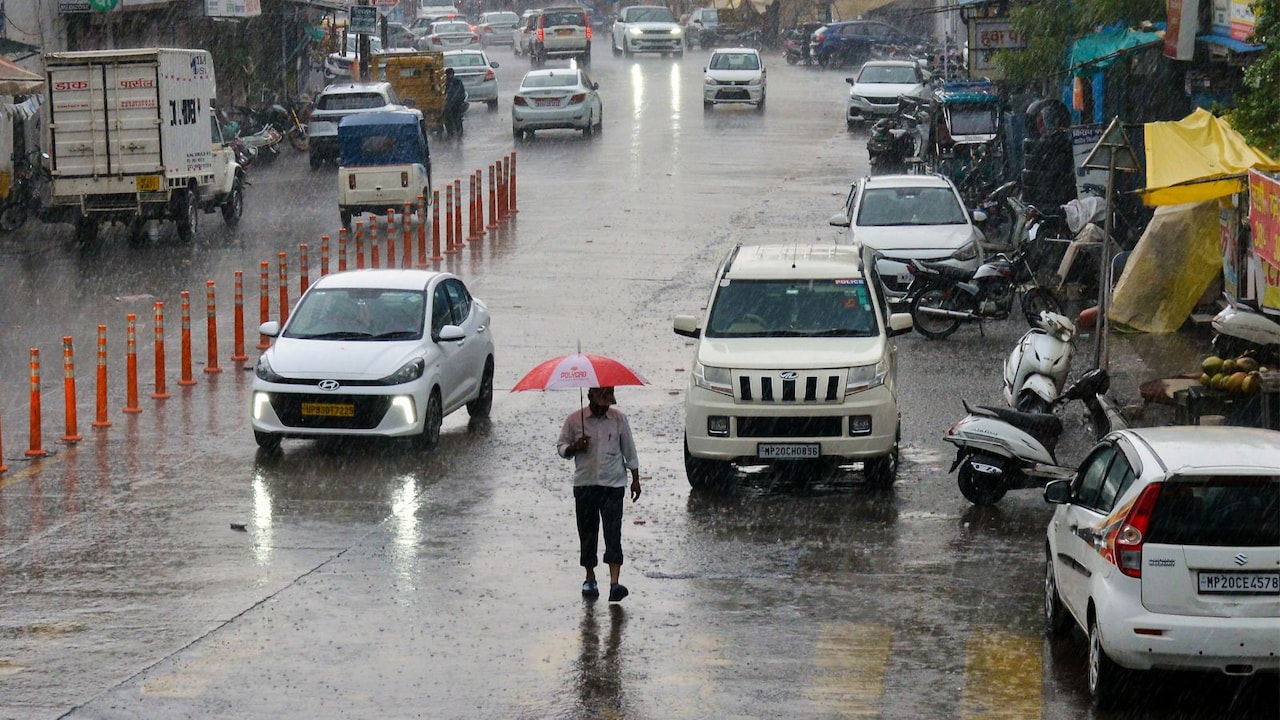
As the monsoon currents push beyond Odisha and Jharkhand, the national capital region prepares for a transition from sweltering humidity to evening thundershowers.
The morning across Delhi and the NCR began under a blanket of oppressive humidity and harsh sunlight, leaving commuters struggling with the classic pre-monsoon discomfort. However, the latest weather update from the India Meteorological Department (IMD) brings a shift in the forecast. While the early hours were marked by persistent heat, satellite imagery and meteorological tracking confirm that the monsoon front has successfully advanced past Odisha and Jharkhand, signaling its steady march toward the northern plains.
Reports from the field indicate that the atmospheric change is already manifesting. While the capital dealt with the glare of the sun, surrounding areas—including parts of the NCR—are witnessing a rapid change in the weather’s temperament. This isn't just an isolated spell; it is part of a broader systemic shift across North India. In places like Gurugram, the weather has turned volatile, with localized downpours already causing significant waterlogging in several pockets, reflecting the typical infrastructure strain that accompanies the first heavy rains of the season.
The Bigger Picture
This transition is critical for a region that has been reeling under prolonged heatwave conditions. The arrival of these moisture-laden winds is expected to break the cycle of extreme temperatures that have dominated the headlines recently. When we look at the data provided by agencies like ndtv and aajtak, the pattern is clear: the monsoon is not merely a seasonal rainfall event but the primary regulator of the region's socio-economic stability, affecting everything from public health to agriculture and urban mobility.
Why It Matters
The significance of this weather shift goes beyond the immediate relief from the heat. For a rapidly urbanizing region, the onset of the monsoon serves as a stress test for civic infrastructure. Every year, we see a recurring cycle: a heat-weary population welcomes the first drops of rain, followed swiftly by reports of traffic gridlock and drainage failure. The current activity is a reminder that while the monsoon provides essential groundwater recharge and agricultural relief, the urban planning gap remains a persistent challenge for municipal authorities in Delhi and its satellite cities.
As the system moves further inland, residents should expect a volatile 24 to 48 hours. The IMD’s real-time monsoon tracker suggests that while the day may start with high humidity, the convergence of moisture will likely trigger convective clouds, leading to evening showers that should provide much-needed respite. Keep an eye on local alerts as the conditions remain dynamic throughout the week.
Arjun Mehta reports on government, policy and Parliament for PoliticalPedia, in English and Hindi.