Monsoon fury: Amreli records 10 inches of rain as heavy downpours cripple Saurashtra and South Gujarat
Heavy rain batters Saurashtra and South Gujarat; Amreli’s Rajula records 10 inches
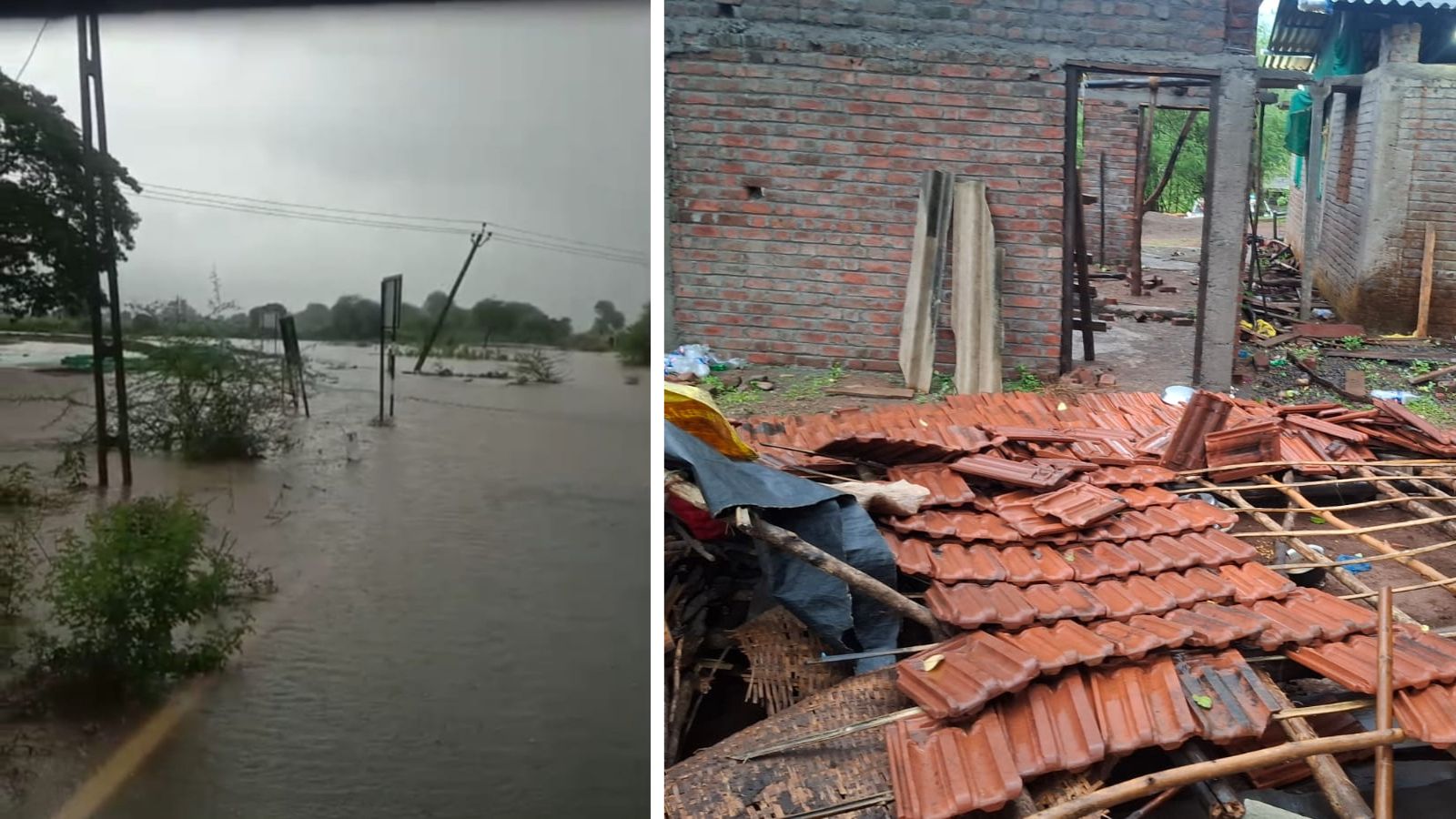
A 29-year-old woman is dead and thousands of villagers are left without power as a relentless deluge triggers a state-wide emergency response.
The kitchen was meant to be a place of routine, but for a 29-year-old woman in Giniya village, it became the site of a tragedy. As heavy rain lashed Amreli, a wall of her shed collapsed, claiming her life while she was preparing a meal. This is the grim reality currently unfolding across Saurashtra and South Gujarat, where the skies have opened up with unrelenting intensity over the past 24 hours.
Rajula taluka has become the epicentre of this weather event, recording a staggering 10 inches of rainfall. The impact of the deluge is visible in the data from the State Emergency Operation Centre: Dhari followed closely with over 9 inches, while Khambha and Savarkundla recorded 6 and 5 inches respectively. Across the state, the rain hasn't been a localised affair—164 talukas have reported precipitation, turning roads into rivers and throwing rural life into disarray.
Infrastructure under pressure
The storm’s reach extends far beyond flooded fields. Power infrastructure has taken a significant hit, with 2,804 villages grappling with complete electricity outages. The state government has scrambled to mount a rescue and relief operation, deploying 10 teams from the National Disaster Response Force (NDRF) and 25 from the State Disaster Response Force (SDRF) to the most vulnerable districts. Another 12 teams remain on reserve, ready to be mobilised if the situation worsens.
Water levels in the state’s reservoirs are being monitored with surgical precision. While the Sardar Sarovar Dam is currently at 65 per cent capacity, the overall state of the 206 reservoirs paints a nervous picture. Six dams are already on high alert, with several others teetering on warning levels. With the IMD issuing an orange alert, the government’s directive to fishermen to stay away from the coast is a clear indication that the danger has not yet passed.
Why it matters
This deluge is a stark reminder of the shifting patterns in India's monsoon cycle. While the state is accustomed to heavy rainfall, the intensity recorded in places like Rajula and the subsequent infrastructure failure highlights the vulnerability of our rural landscape to extreme weather events. When thousands of villages lose power in a single storm, it suggests that our disaster preparedness needs to evolve from reactive rescue operations to more resilient, climate-proof infrastructure. As these "extreme" events become more frequent, the balance between agricultural necessity and the preservation of life and property becomes increasingly precarious for the state administration.
Ananya Iyer covers global affairs with an Indian lens for PoliticalPedia.