Modi’s 12-Year Milestone: Centering 'Nari Shakti' in the NDA Narrative
PM Modi celebrates '12 years of Nari Shakti', highlights NDA's push for women-led development
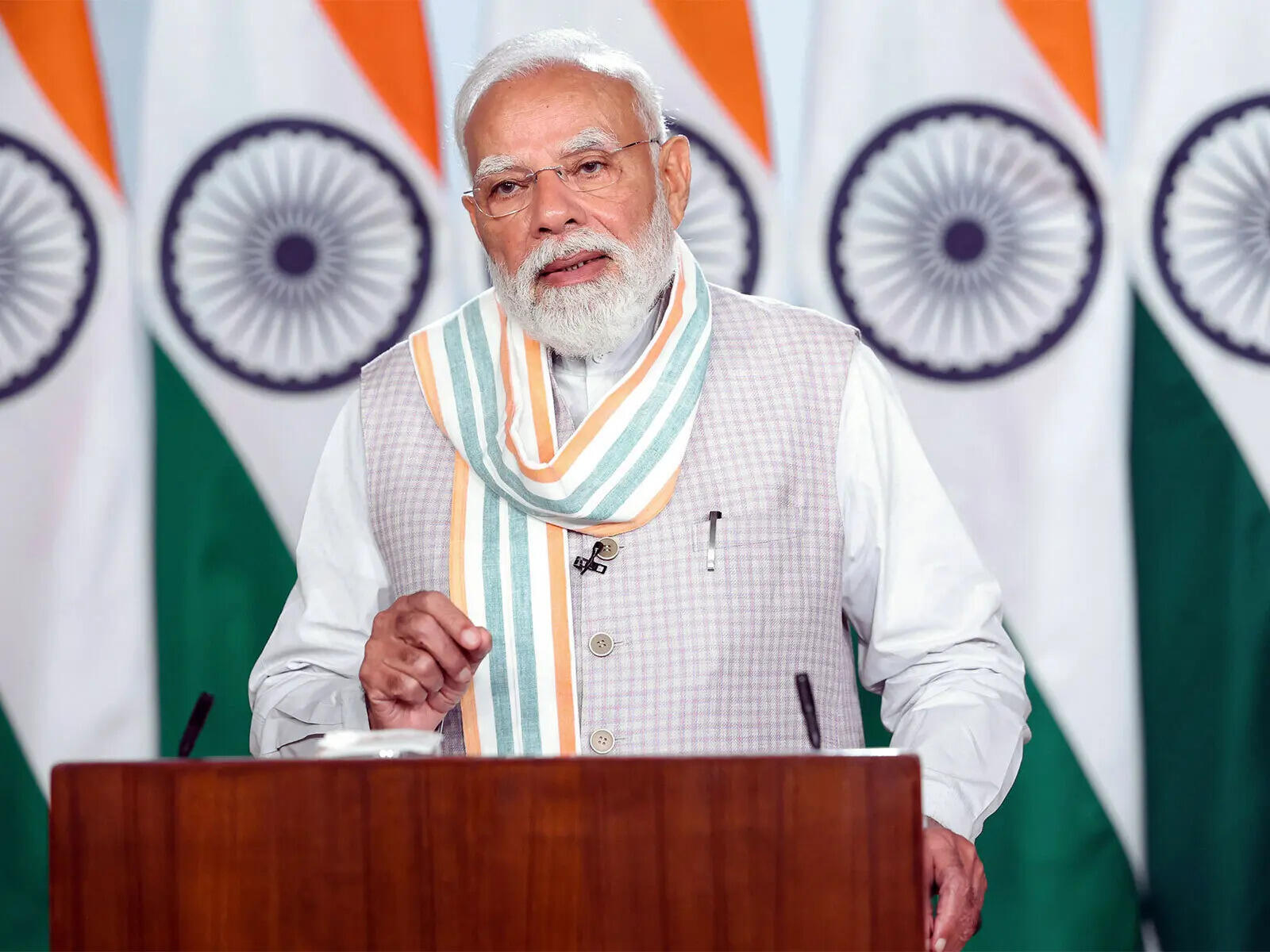
As the Prime Minister notches 4,399 days in office, the focus shifts to a deliberate branding of women-led development as the cornerstone of his long-term governance.
The corridors of power in Delhi were buzzing this week as NDA leaders gathered to mark a significant political milestone: Prime Minister Narendra Modi completing 4,399 days in office. It is a record-breaking tenure that cements his position as India’s longest-serving democratically elected Prime Minister in consecutive terms. Yet, amidst the celebratory optics of the alliance, the political messaging was carefully steered toward a specific theme: Nari Shakti.
In a series of reflections shared on 'X', PM Modi framed these 12 years not just as a timeline of political longevity, but as a deliberate push for women-led development. By linking his government's tenure to the empowerment of women, the Prime Minister is effectively packaging the last decade of welfare schemes—from sanitation and housing to financial inclusion—under one cohesive, gender-focused identity.
From Governance to Grassroots
The messaging is clear: the government wants to move the conversation beyond basic welfare toward the economic participation of women in emerging sectors. Modi pointedly highlighted the surge of women in drone technology, space, and science, framing these fields as the new frontiers for Nari Shakti. By actively supporting Self-Help Groups (SHGs), the administration is attempting to create a bottom-up model of financial independence, aiming to ensure that women are not just beneficiaries of government schemes, but active contributors to the national economy.
While the NDA leadership credits these years with massive governance reforms and infrastructure growth, the emphasis on women serves a strategic purpose. By spotlighting education, healthcare, and entrepreneurship across diverse sectors, the PM is trying to demonstrate that the impact of his policies is systemic and deeply rooted in the daily lives of Indian households.
Why It Matters: The Political Calculus
Beyond the celebratory tone, there is a clear strategic imperative here. In the current electoral landscape, the "women voter" has emerged as a distinct and decisive demographic. By explicitly branding his 12-year tenure through the lens of Nari Shakti, Modi is effectively moving to consolidate this support base.
The strategy is to move the narrative from "welfare" to "opportunity." Whether this rhetoric translates into sustained long-term parity in high-skill sectors remains a point of intense debate for policy analysts. However, by keeping the focus on how his government has navigated the complexities of development—from housing to high-tech drone operations—the NDA is banking on the idea that tangible, visible shifts in women's participation will remain the most potent argument for his continued leadership. As the political cycle turns, this focus on Nari Shakti will likely remain a central, defining pillar of the NDA's pitch to the electorate.
Priya Nair covers parties, elections and the business of power for PoliticalPedia.