Managing Blood Sugar: How to Enjoy Fruits Safely If You Are at Risk of Diabetes
How eating fruits on an empty stomach can spike blood sugar for those at diabetes risk
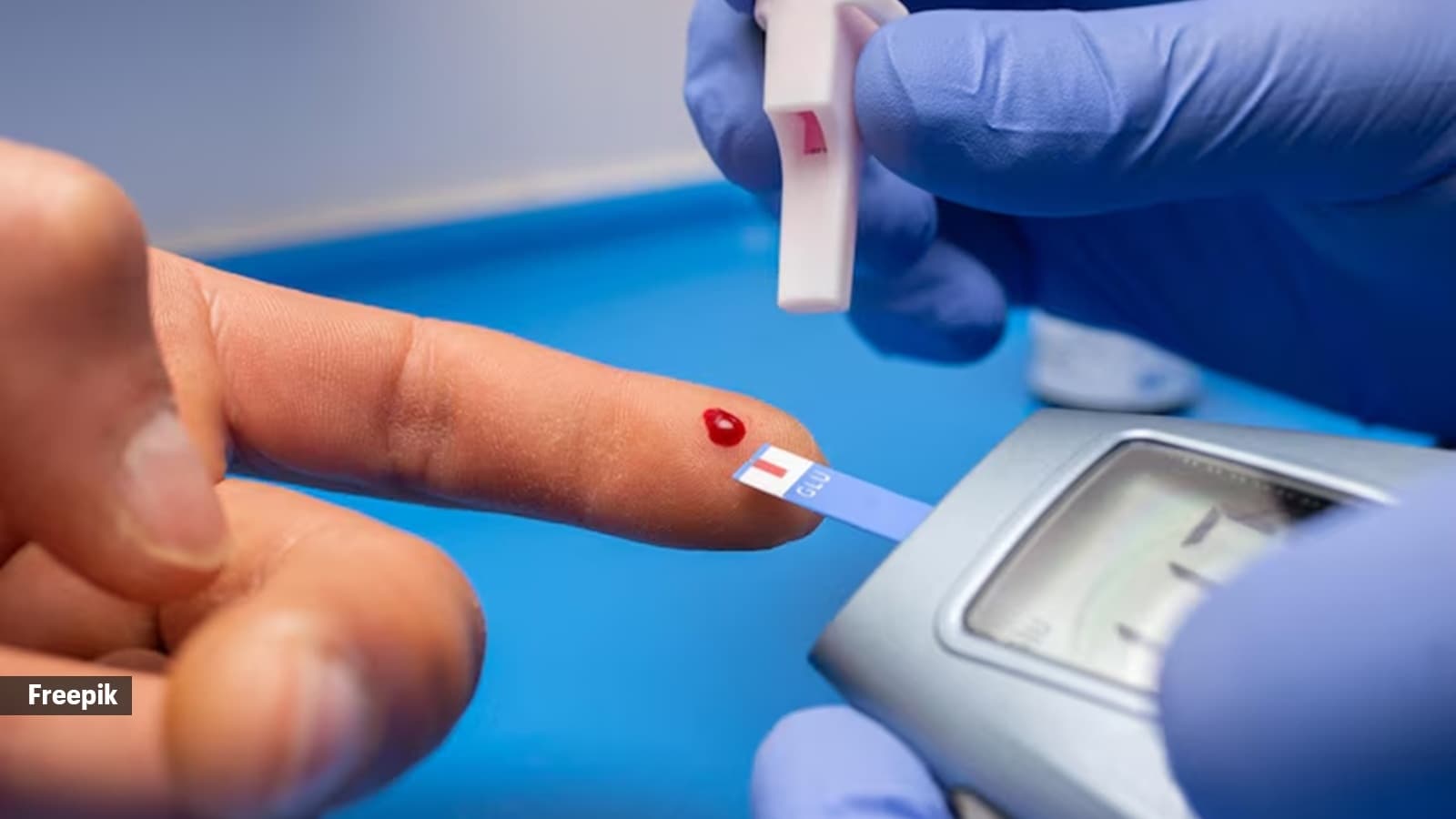
While fruit is a nutritional powerhouse, understanding timing and portion control is essential for those monitoring their glucose response.
Many health-conscious individuals reach for fruit as a refreshing way to start their day. While these snacks are packed with antioxidants, vitamins, and essential minerals, those managing insulin resistance or diabetes often wonder if eating them on an empty stomach can trigger a rapid spike in blood sugar levels. Nutrition experts emphasize that while the fructose in fruit is natural, how and when you consume these items significantly alters how your body processes them.
The Role of Fiber and Glycemic Response
The impact of fruit on your system depends largely on its glycemic index (GI). Fruits with a higher GI, such as watermelon, grapes, or overripe bananas, are digested and absorbed more quickly, which can lead to a sharper rise in blood glucose. Conversely, options like berries, apples, pears, and citrus fruits typically have a lower glycemic impact. The fiber content in whole fruits acts as a protective barrier, slowing the speed at which sugar enters the bloodstream and facilitating a more gradual, manageable response.
Strategic Pairing for Better Control
One of the most effective ways to stabilize blood sugar levels is to avoid eating fruit in isolation. When you consume fruit as a standalone snack, the body may process the sugars more aggressively. To mitigate this, nutritionists suggest pairing your fruit with sources of protein, healthy fats, or additional fiber. Incorporating a handful of nuts or mixing fruit into a bowl of yogurt can significantly delay glucose absorption. This combination strategy helps ensure that your energy levels remain steady rather than experiencing the volatility often associated with high-sugar foods.
Why Whole Fruit Wins Over Juice
When discussing how to incorporate nature’s candy into a diet for diabetes, experts are clear: skip the juice. Fruit juices and canned varieties often have the protective fiber removed, leading to a concentrated dose of sugar that hits the bloodstream almost immediately. By sticking to fresh, whole fruit—ideally with the skin left on—you maximize your fiber intake, which is critical for slowing down the glycemic response.
Practical Tips for Daily Management
For individuals at risk of diabetes, portion control is just as vital as selection. A general guideline is to consume portions that contain roughly 15 grams of carbohydrates. Utilizing a continuous glucose monitor (CGM) or a traditional glucometer one to two hours after consumption can provide personalized insights into how your specific metabolism reacts to different types of fruit. By viewing fruit as part of a balanced meal rather than a standalone morning ritual, you can enjoy these nutritious staples while maintaining better glycemic control throughout the day.
The PoliticalPedia Editorial Desk brings verified, sourced political news and analysis from across India.