Mamata’s Toughest Test: TMC Faces Internal Turmoil as MPs Rebel and Leadership Strains
West Bengal Politics: TMC Faces Internal Turmoil as MPs Rebel, Leadership Under Pressure in West Bengal
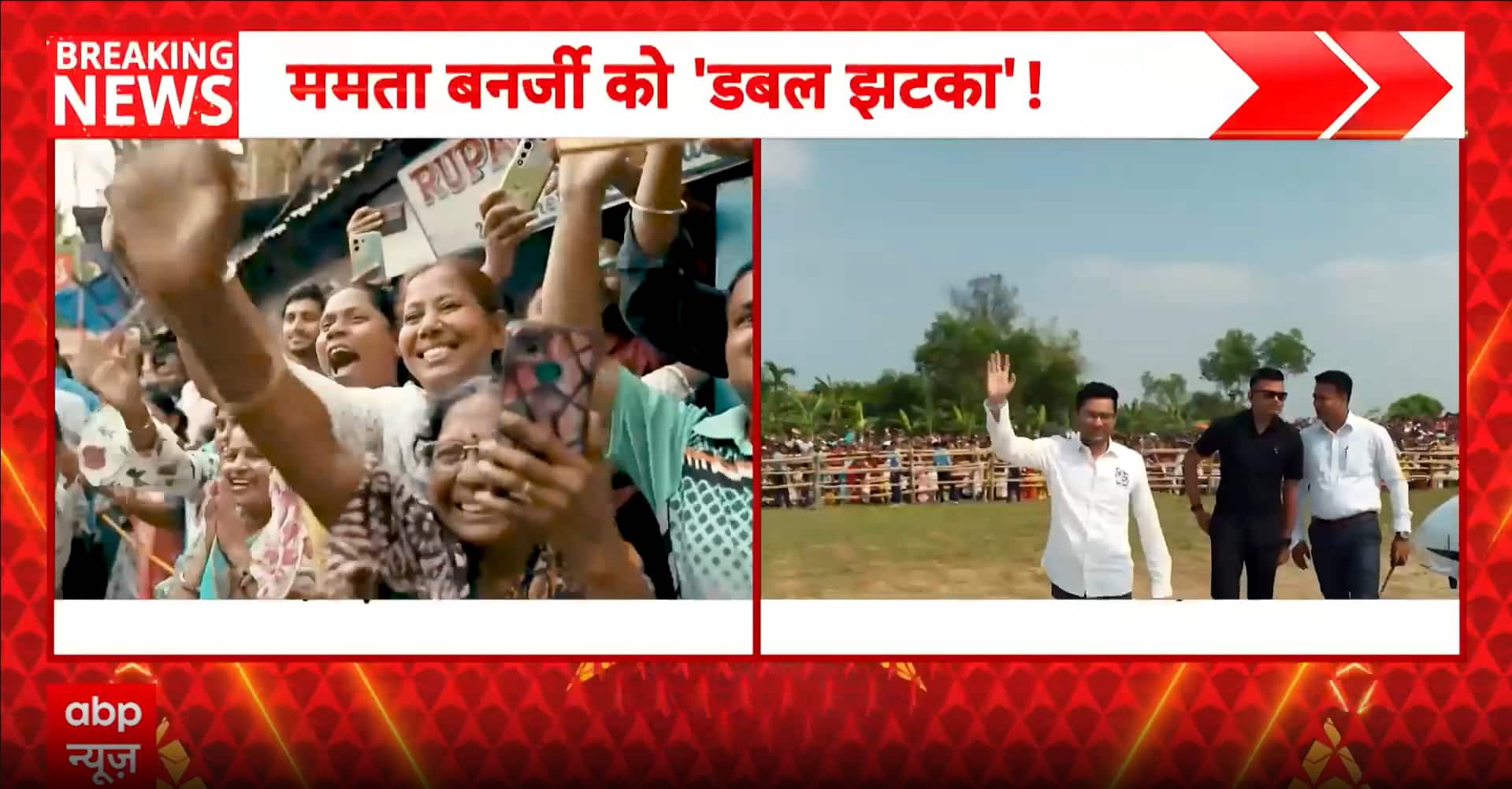
As dissent brews in the corridors of power, the Trinamool Congress confronts a potential split that could redraw the map of West Bengal politics.
The calm of the Kalighat residence in Kolkata has been replaced by the frantic hum of damage control. For West Bengal Chief Minister Mamata Banerjee, the political ground is shifting beneath her feet. As the TMC faces internal turmoil, a growing number of MPs have signaled their discontent, casting a shadow over the party’s cohesion. With reports of a faction of nearly 20 Lok Sabha members seeking a separate identity, the leadership is under immense pressure to prevent a full-blown exodus.
The rebellion has manifested in both subtle and public ways. Among the voices making waves is কাকলি ঘোষ দস্তিদার (Kakoli Ghosh Dastidar), who has openly defied the party line, fueling speculation that this is more than just a passing disagreement. While senior leaders like Kirti Azad have attempted to downplay the talk of mass defection, the visuals coming out of Delhi tell a different story. Meetings between disgruntled MPs and rival political figures have become a recurring feature, lending weight to the belief that the party's foundation is cracking.
A Legal and Political Squeeze
The crisis isn't confined to internal party dynamics; it is being compounded by mounting external scrutiny. General secretary Abhishek Banerjee, seen as a central pillar of the party, is currently navigating a high-stakes legal challenge. Having received multiple summons from the CID in connection with a forgery-related investigation, his frequent appearances at the agency’s office have become a focal point for the opposition. This legal pressure, coupled with the internal unrest, has created a "pincer effect" on the TMC leadership.
The math in Parliament is equally precarious. With 28 MPs in the Lok Sabha and 13 in the Rajya Sabha, the TMC has long operated as a unified, disciplined force. However, the reported push by a faction to seek separate seating arrangements in the Lok Sabha has triggered alarm bells. If these rebels formalize their break, the party will have to navigate the complex, often unforgiving provisions of the anti-defection law, which could lead to a protracted legal and constitutional battle.
Why It Matters
This isn't just about internal grievances or individual ambitions; it represents a critical pivot point for West Bengal politics. For years, the TMC has maintained a near-hegemonic grip on the state’s electoral machinery. A fractured party, however, invites a vacuum that rival camps are eager to fill. If the central leadership fails to contain the rift, the party risks losing the very organizational integrity that made it a formidable national player. The current crisis is a test of whether Mamata Banerjee can rebuild the party from the ground up or if the era of TMC dominance is entering its twilight.
As the Chief Minister heads to Delhi to manage the fallout, the capital’s political circles are bracing for what happens next. Whether this ends in a reconciliation or a formal split, the tremors are already being felt across West Bengal, ensuring that the state remains the most volatile and watched theater in Indian politics today.
Business Desk at PoliticalPedia covers economy & markets for an Indian audience in English and Hindi.