Mamata’s Toughest Test: TMC Faces Biggest Parliament Revolt as 20 MPs Eye NDA Shift
TMC Crisis Live Updates: 20 Rebel MPs Plan NDA Support, Party Faces Biggest Parliament Revolt
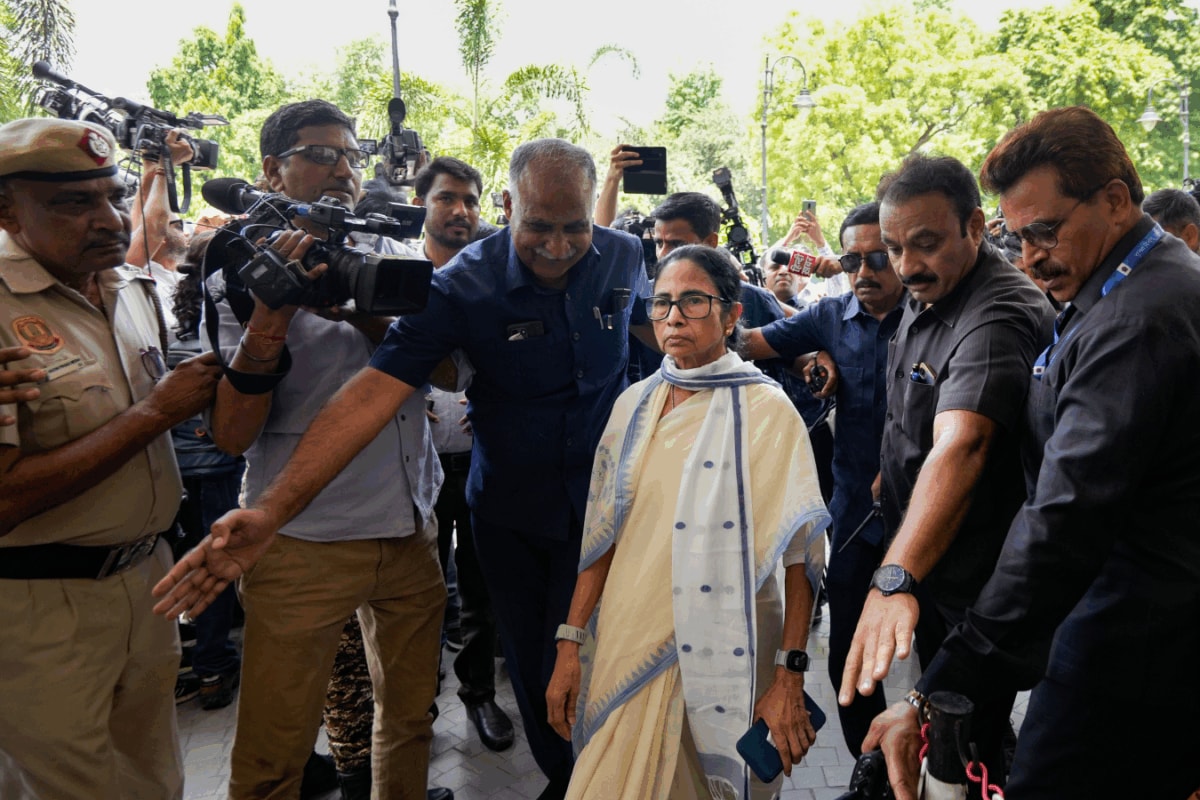
A seismic shift in West Bengal politics is underway as a rebel faction of 20 TMC MPs moves to align with the NDA, pushing the party to the brink of a parliamentary split.
The iron grip of Mamata Banerjee on the Trinamool Congress appears to be slipping in the corridors of Delhi. As the TMC chief and her nephew, Abhishek Banerjee, arrived in the capital for high-stakes INDIA bloc meetings, the ground shifted beneath them. A group of 20 rebel MPs, spearheaded by veteran leader Kakoli Ghosh Dastidar, have declared their intent to write to Lok Sabha Speaker Om Birla, effectively seeking to break ranks and support the BJP-led NDA. This isn't just a ripple; it is the most significant internal revolt the party has grappled with since its inception.
The move has triggered a frantic scramble for control over the party's legislative machinery. While Ghosh Dastidar maintains she is the party’s chief whip in the Lok Sabha, the TMC leadership has moved to checkmate the dissenters. Documents shared by party insiders reveal that Mamata Banerjee had already signed an official letter on May 20, formally appointing Kalyan Banerjee as the new chief whip—a communication that reached the Speaker’s office on May 29. The conflicting claims over who holds the whip’s authority underscore a messy, unfolding institutional deadlock.
A Party at the Crossroads
The timing of this rebellion is particularly damaging. Following a bruising electoral performance, the TMC is struggling to maintain its narrative of defiance against the Centre. With the departure of former Rajya Sabha chief whip Sukhendu Sekhar Ray and the public resignation of leaders like Ajmal Siddiqui—who openly blamed the party’s centralized leadership for the current collapse—the morale within the ranks seems to be at an all-time low.
For the dissenters, the rationale is framed as a pragmatic acceptance of the "people’s verdict." Ghosh Dastidar, once a staunch Mamata loyalist, has argued that the party’s future political course must realign with the NDA to remain relevant. By choosing not to formally resign from the TMC yet, the rebel group is clearly testing the legal and constitutional limits of a floor crossing, hoping to leverage their numbers to force a change in the party’s parliamentary direction.
Why it matters
The broader implications of this crisis go far beyond the immediate struggle for positions. For the INDIA bloc, a fracture in the TMC—the third-largest opposition force—would represent a catastrophic loss of bargaining power in Parliament. If a significant chunk of TMC MPs formally joins the NDA camp, it would not only shrink the opposition’s total strength but also signal a deeper trend of political exhaustion among regional satraps facing the BJP’s momentum.
Whether this is a coordinated mutiny or a desperate scramble for survival, the TMC now faces a two-front war: one against the BJP’s electoral dominance and another against a growing internal vacuum. As the Speaker’s office prepares to weigh in on the validity of the competing whips, Mamata Banerjee must act fast to prevent an implosion that could effectively redraw the political map of West Bengal.
Ananya Iyer covers global affairs with an Indian lens for PoliticalPedia.