Mamata’s grip slips as MP Kakoli Ghosh leads 19-strong rebel exodus to NDA
TMC crisis LIVE: MP Kakoli Ghosh, 19 rebels offer support to NDA in fresh jolt to Mamata
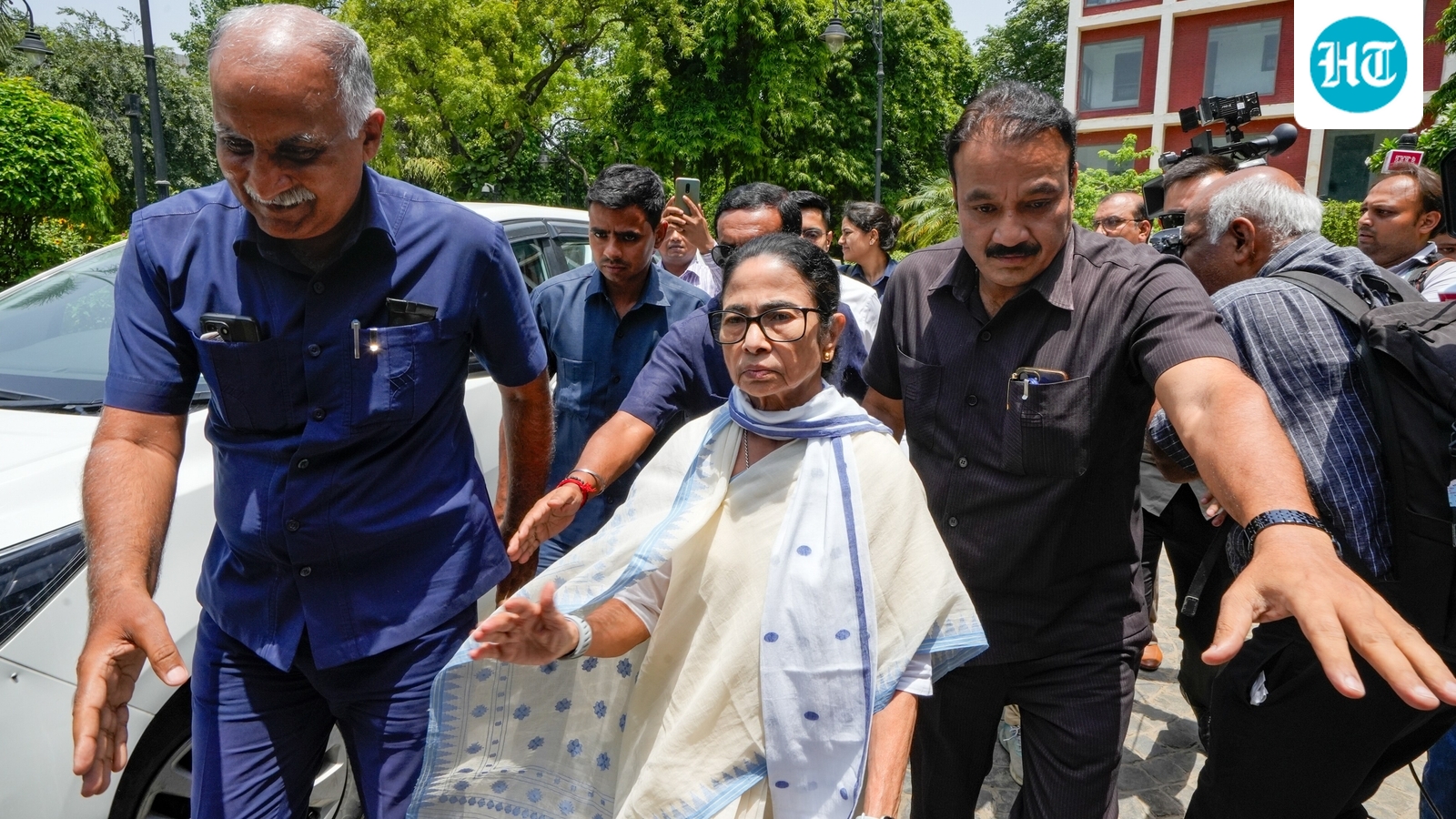
The Trinamool Congress is facing a total organisational collapse as senior leaders desert the party, leaving Mamata Banerjee’s leadership in a state of unprecedented crisis.
The geography of rebellion in Delhi tells the story of Mamata Banerjee’s fading influence. While the West Bengal Chief Minister was busy navigating the high-stakes meetings of the INDIA bloc this week, a parallel drama was unfolding just three kilometres away at the residence of Union Minister Bhupender Yadav. There, TMC MP Kakoli Ghosh, flanked by a cohort of 19 rebel parliamentarians, held a two-hour deliberation with BJP strategist Suvendu Adhikari, effectively signaling a wholesale pivot toward the National Democratic Alliance (NDA).
This isn't a flash in the pan; it is the culmination of a systemic breakdown within the Trinamool Congress. Following a decisive defeat in the recently concluded assembly elections, the party's internal architecture has crumbled. Last week, the rebellion gained institutional legitimacy when Speaker Rathindra Nath Bose formally recognised a bloc of 58 MLAs, led by Ritabrata Banerjee, as the principal opposition in the state assembly. These rebels have been vocal, citing "authoritarian" management and openly challenging the command of party general secretary Abhishek Banerjee.
The rot has moved from the legislative benches into the municipal heart of West Bengal. The recent resignations of senior leaders Firhad Hakim and Krishna Chakraborty from their respective mayoral roles in Kolkata and Bidhannagar have left the party’s urban governance structure in total disarray. For a party that has held power for three consecutive terms, the speed of this exodus suggests that the institutional machinery is no longer listening to the leadership at the top.
Why it matters
The collapse of the TMC is no longer a matter of local infighting; it is a fundamental shift in the regional power balance. By aligning with the NDA, the defecting lawmakers are effectively stripping the TMC of its status as a viable national counterweight to the BJP. If 19 MPs formalise this jump, the party faces a potential split that could render it a rump organisation, struggling to maintain its legal and political relevance in Parliament. This trajectory suggests that Mamata Banerjee’s tenure as the undisputed commander of Bengal politics is facing its most existential threat since the party’s inception.
The optics of the situation are particularly brutal for the TMC brass. That these meetings took place while the INDIA alliance leaders were in the capital underscores the vulnerability of the opposition’s collective front. With key municipal and legislative figures now openly courting the BJP, the TMC is finding itself isolated, not just in Delhi, but within its own backyard. The coming days will be critical, as observers watch to see if the party can stem the tide or if this marks the beginning of the end for the current TMC structure.
National Affairs Desk at PoliticalPedia covers government & policy for an Indian audience in English and Hindi.