Mamata’s Balancing Act: Inside the TMC’s Widening Internal Rift Row
West Bengal Politics: TMC Faces Fresh Turmoil Amid Rebel MP Claims and Internal Rift Row
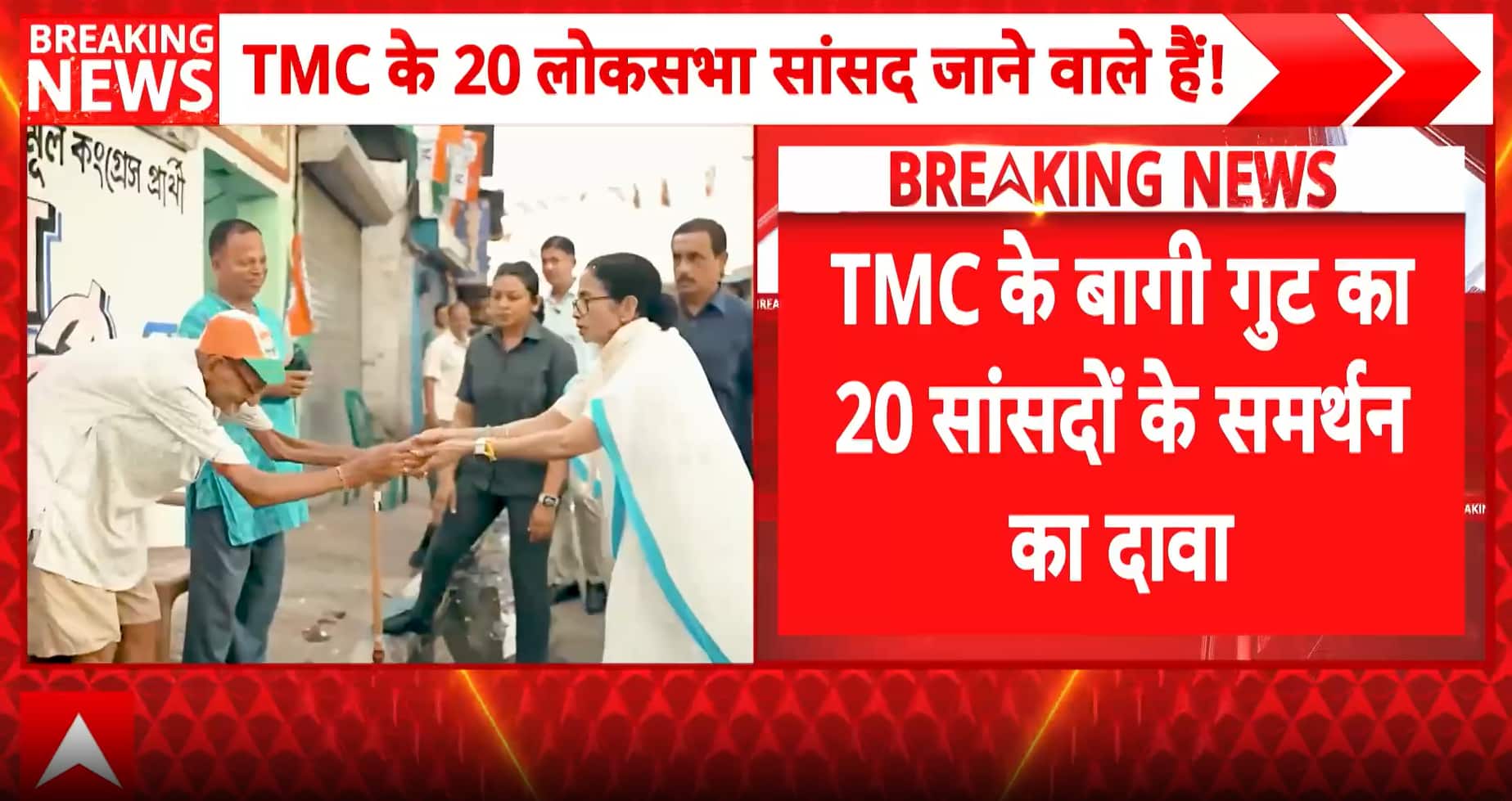
A wave of high-profile resignations and mounting defiance from rebel factions has pushed the Trinamool Congress into its most precarious political position in years.
The corridors of power in Kolkata are echoing with an unfamiliar sound: the murmur of an open rebellion. As West Bengal politics grapples with a fresh wave of instability, the Trinamool Congress (TMC) finds itself in the grip of a deepening internal rift row. The catalyst for the latest crisis was the dramatic resignation of veteran Rajya Sabha member Sukhendu Sekhar Roy, a move that has acted as a lightning rod for simmering discontent within the party’s hierarchy.
The turmoil has moved rapidly from hushed conversations to public confrontation. Reports of a rebel faction claiming support from a significant number of parliamentarians have shattered the image of a monolith. Amid rebel MP claims, figures like Ritabrata have escalated direct attacks on Abhishek Banerjee, while others, such as Kakoli Ghosh Dastidar, have taken to the public stage to pledge their loyalty. The result is a party pulling in different directions, with recent attempts by the leadership to project strength—such as a huddle at Mamata Banerjee’s residence—marred by low attendance and conflicting reports about why so many MLAs stayed away.
A Party Under Siege
The friction stems from a complex cocktail of issues: the marginalization of veteran leadership, the rising influence of younger cadres, and fundamental disagreements over the party's future direction. For opposition leaders, these developments are a godsend. Figures like Adhir Ranjan Chowdhury have been quick to draw parallels between the current TMC situation and the political upheaval that preceded the collapse of previous state governments, hinting at a potential "Shinde model" of defection.
While the party brass remains defiant—rejecting the narrative of a mass exodus and maintaining that the organization is unified—the optics tell a different story. The recent assault on Abhishek Banerjee, coupled with Mamata Banerjee’s decision to defy police bans to stage a sit-in, suggests a leadership struggling to maintain the narrative amidst a volatile, fast-changing environment.
Why it matters
This is more than just a case of bruised egos; it is a stress test for the TMC’s electoral machinery. Historically, the party has relied on Mamata Banerjee’s singular ability to command absolute loyalty across the state. Should the current dissent prove to be more than just a passing storm, it threatens to erode the party’s parliamentary strength and weaken its position ahead of future electoral battles. For the TMC, the coming days are critical. They must balance the need to quell internal firestorms with the necessity of appearing steady to a skeptical public. The party’s ability to reconcile its veteran old guard with its ambitious youth will determine whether this is a manageable administrative hiccup or the beginning of a structural shift in West Bengal’s political landscape.
Business Desk at PoliticalPedia covers economy & markets for an Indian audience in English and Hindi.