Maharashtra Monsoon: IMD Issues Rain Alert for 23 Districts as Heavy Downpours Disrupt Daily Life
Maharashtra Monsoon: IMD issues rain alert for 23 districts, check weather forecast for Mumbai, Thane, Palghar and Raigad
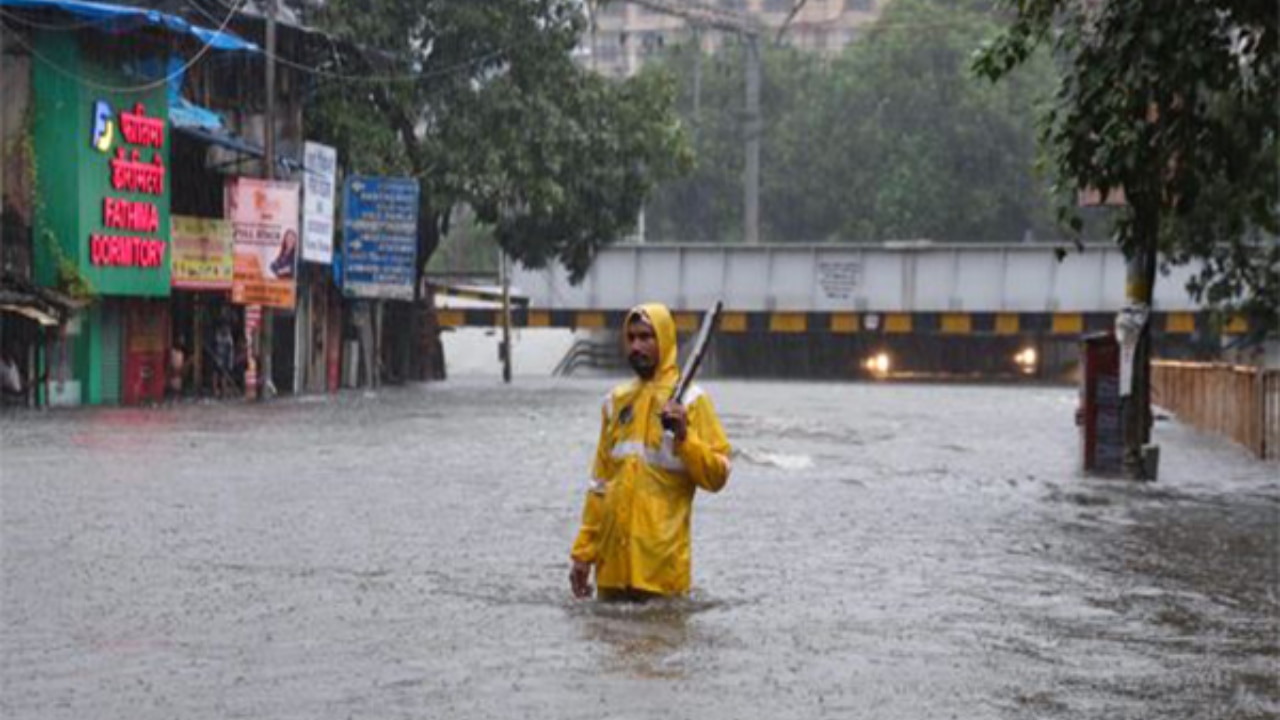
As the monsoon makes a strong push across the Konkan belt, the weather department has sounded a multi-district alert, bringing relief to farmers even as urban infrastructure struggles under the deluge.
The rhythm of life in Mumbai has shifted to the familiar, frantic pace of the monsoon. After a delayed start, the southwest monsoon has hit the state with formidable intensity, turning the grey skies over Mumbai, Thane, and Palghar into a steady source of concern. For the last 48 hours, the relentless rainfall has brought a welcome dip in temperatures, effectively ending the season's oppressive heat, but it has simultaneously triggered the usual chaos—waterlogged streets, gridlocked traffic, and the stalling of local transit.
The India Meteorological Department (IMD) has now issued a yellow alert across 23 districts in Maharashtra, signaling that the current bout of rain and thunderstorms is far from over. The Konkan belt is facing the brunt of this active weather system, with heavy downpours forecasted for Raigad, Ratnagiri, and Sindhudurg. Residents in these regions, along with those in the Mumbai Metropolitan Region, are being urged by local authorities to plan their movements carefully as the hawaaman—the state of the weather—continues to fluctuate unpredictably.
A Widespread Weather Pattern
While Maharashtra occupies the center stage of this monsoon narrative, the atmospheric activity is part of a larger, systemic shift across India. The IMD’s current forecast points to widespread thunderstorm activity and gusty winds stretching from the northern plains in Punjab, Haryana, and Delhi to the eastern reaches of Odisha, Jharkhand, and West Bengal. This large-scale movement of the monsoon is expected to bring localized lightning and squalls, with Bihar bracing for wind speeds as high as 60 kmph.
For the agricultural heartlands of Maharashtra, this moisture is a lifeline. Farmers, who had been anxiously tracking the clouds, are finally witnessing the conditions necessary for a successful sowing season. However, the rapid change in weather has prompted health warnings from the administration, which has cautioned citizens to remain vigilant against seasonal infectious diseases that often accompany the onset of heavy rains.
Why It Matters: The Infrastructure Dilemma
The recurring struggle of India’s financial capital during the monsoon reveals a deeper, more persistent challenge: the gap between rapid urban expansion and the capacity of existing drainage systems. While the rain is objectively vital for the state’s reservoirs and agrarian economy, the immediate, recurring paralysis of urban transit—like the closure of subways and delays in train services—highlights an infrastructure that is consistently pushed to its breaking point.
The bigger picture is that the monsoon is no longer just a meteorological event; it is a stress test. As weather patterns become more erratic and intense, the reliance on reactive "red" or "yellow" alerts is becoming the new normal. For policymakers, the challenge lies in moving beyond crisis management to building resilient transit corridors that can withstand these predictable, yet increasingly volatile, annual downpours.
Ananya Iyer covers global affairs with an Indian lens for PoliticalPedia.