Legal scrutiny: Calcutta High Court questions Speaker’s authority in Bengal LoP standoff
‘Can recommendations be ignored?’ Calcutta high court questions Speaker's role in Bengal LoP dispute
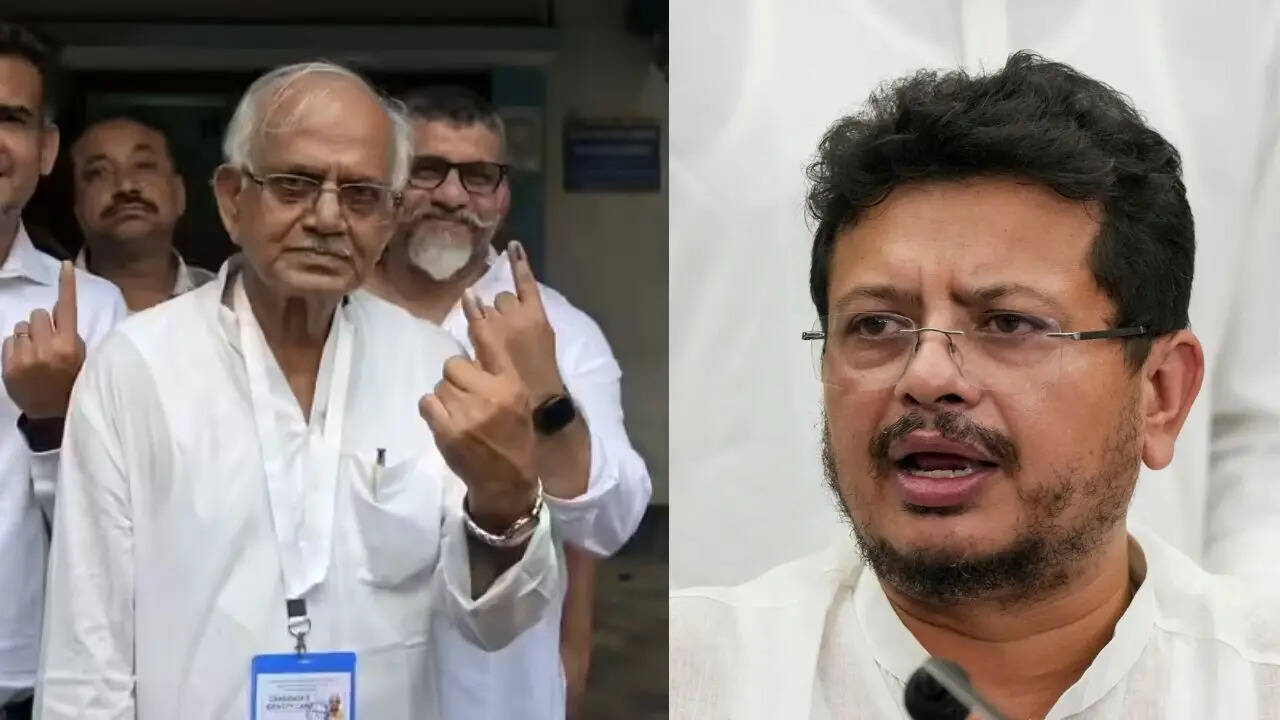
The court is probing whether the Speaker can bypass a party's choice for Leader of Opposition amidst allegations of forged signatures and internal factionalism.
The pristine halls of the Calcutta High Court turned into a theater of constitutional scrutiny this Tuesday as Justice Krishna Rao took up a petition that strikes at the heart of legislative procedure. At the center of the storm is an unprecedented crisis: the appointment of Ritabrata Banerjee as the Leader of Opposition (LoP) in the West Bengal Assembly. The court is now tasked with deciding whether a Speaker holds the unilateral authority to ignore the consensus of the largest opposition party, especially when the nomination process is mired in allegations of forgery.
The controversy erupted when the Trinamool Congress (TMC) challenged the recognition of Banerjee, a rebel MLA, over their official nominee, veteran politician Sobhandeb Chattopadhyay. Representing the Speaker, Additional Advocate General Billwadal Bhattacharya admitted that this is a first in the state’s assembly history. The legal friction stems from a classic "he-said-she-said" scenario: the Speaker’s office received a resolution backing Chattopadhyay, but subsequently, a second document emerged—purportedly signed by 58 TMC MLAs—throwing their weight behind Banerjee and Sandipan Saha for key posts.
The forgery hurdle
What complicates this legal tangle is the criminal dimension. According to the Speaker’s counsel, MLAs Banerjee and Saha claimed that their signatures on the original resolution supporting Chattopadhyay were forged. This prompted a reference to the CID for an investigation on May 27. The court, however, remained focused on the procedural mandate. Justice Rao pointedly asked how the Speaker should navigate two conflicting proposals from the same political party and whether the chair is empowered to bypass the party’s recommendation without a formal hearing of all affected stakeholders.
The legal community is watching closely, as the precedent set here could define how future speakers handle internal party volatility. While the Patna High Court has recently been in the spotlight for various constitutional matters, the focus here remains strictly on the procedural boundaries of the Bengal Assembly Speaker. The court has scheduled the matter for further hearing on Wednesday, where the legitimacy of the Speaker’s decision to bypass the party’s primary nominee will be weighed against the internal claims of the rebel faction.
The bigger picture: Why it matters
This case is more than a mere dispute over a parliamentary chair; it touches upon the delicate balance of power between party whips and the Speaker’s discretion. If the court rules that a Speaker can effectively "pick and choose" an LoP despite a party’s formal stance, it could potentially weaken the collective discipline of political parties within the house. Conversely, a ruling that curbs the Speaker’s autonomy could limit their ability to act as an impartial referee when a party is fractured. As the assembly navigates this rift, the judiciary’s intervention will be vital in clarifying the limits of a Speaker’s reach, ensuring that the office remains a guardian of legislative norms rather than an arbiter of internal party politics.
Rohan Gupta covers the economy, markets and companies for PoliticalPedia.