Kuwait Air Defense Activated as Iran-US Escalation Spills Into Gulf Waters
Kuwait Air Defense Activated | Iran-US Escalation, Trump Peace Deal & Gulf Tensions | War Escalates
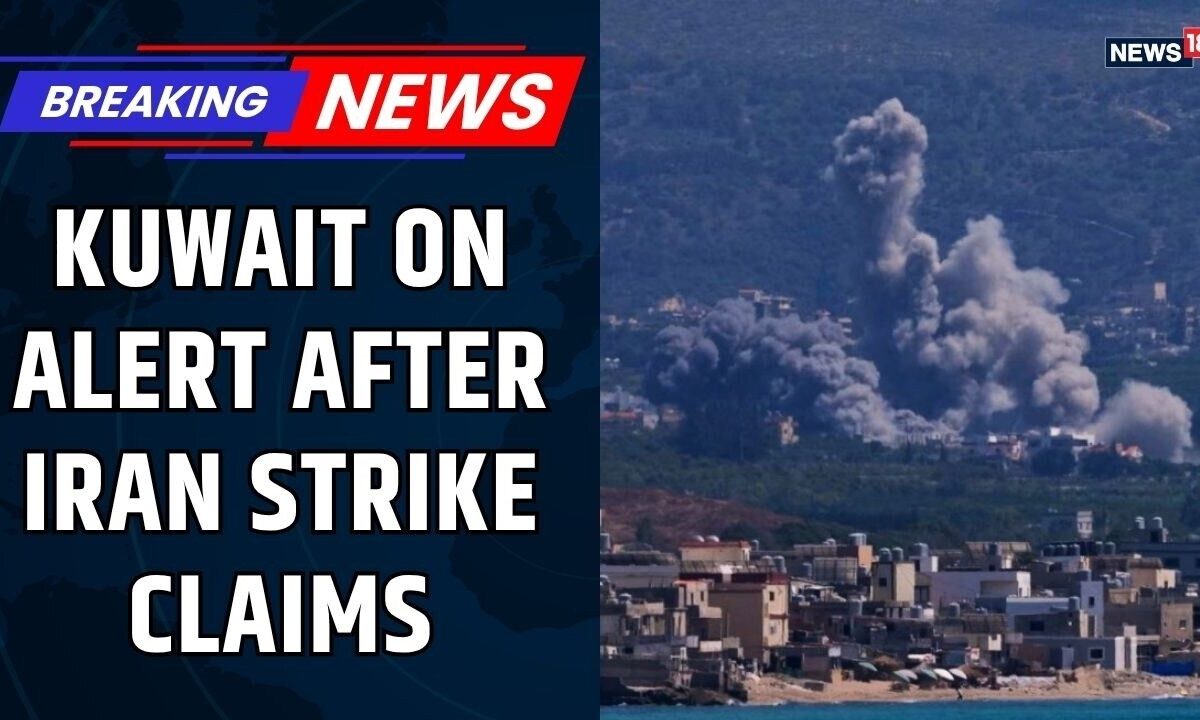
As Tehran targets critical infrastructure and the White House sets ultimatum-driven deadlines, the region braces for a widening conflict.
The hum of high-alert sirens echoing across the Gulf tonight marks a chilling shift in the Iran-US escalation. Kuwait has officially confirmed that its air defense systems are active, a defensive measure triggered by reports of Iranian strikes hitting regional assets. The move comes as the conflict moves beyond proxy skirmishes, directly threatening the stability of critical energy and power infrastructure across the Gulf.
The theater of war escalates daily. Reports from the ground indicate that Tehran is not merely focusing on military targets, with facilities related to water and power in Kuwait coming under fire. Meanwhile, the White House has adopted a posture of uncompromising pressure. Washington has signaled that it is "just getting started," with officials linking the survival of a potential Trump peace deal to a rapidly shrinking window of time.
The Ultimatum and the Infrastructure War
The diplomatic landscape is as volatile as the military one. Recent reports from The New York Times and CBS News highlight a cycle of ultimatums, with the US setting a Tuesday night deadline for Iran to secure the Strait of Hormuz or face severe retaliatory strikes on its own power grid. Tehran, for its part, has dismissed these claims of ongoing negotiations as "fake," maintaining a hardline stance as its retaliatory strikes intensify.
The situation is further complicated by a broad wave of Israeli strikes targeting Iranian infrastructure, adding a multi-front dimension to the crisis. As the conflict spreads, the human cost is mounting; travelers are finding themselves stranded as airlines scramble to adjust flight paths away from the increasingly dangerous airspace, and the rescue of a downed airman has only served to sharpen the American rhetoric of retribution.
Why it matters
The activation of Kuwait’s air defense is a bellwether for the rest of the region. It signals that the era of "contained" regional hostilities is effectively over. When vital nodes like power and water systems become targets, the threshold for a full-scale, catastrophic war drops significantly. For India, which maintains deep trade ties and a large diaspora in the Gulf, the volatility in oil supply chains and the security of the maritime route through the Strait of Hormuz present a direct, pressing concern. We are looking at a scenario where the "peace through strength" strategy is being tested against a determined adversary, leaving little room for de-escalation without a major diplomatic pivot.
The coming 48 hours are critical. With the US deadline looming and the military engagement expanding from the Strait of Hormuz to civilian-adjacent infrastructure, the window for a negotiated exit is narrowing. Whether the current posture leads to a breakthrough or a wider conflagration remains the central question for policymakers in New Delhi and beyond.
Arjun Mehta reports on government, policy and Parliament for PoliticalPedia, in English and Hindi.