Kejriwal invokes history as ED raids sharpen Punjab political fault lines
'ED targeting Hindu traders': Arvind Kejriwal attacks Centre over Punjab raids
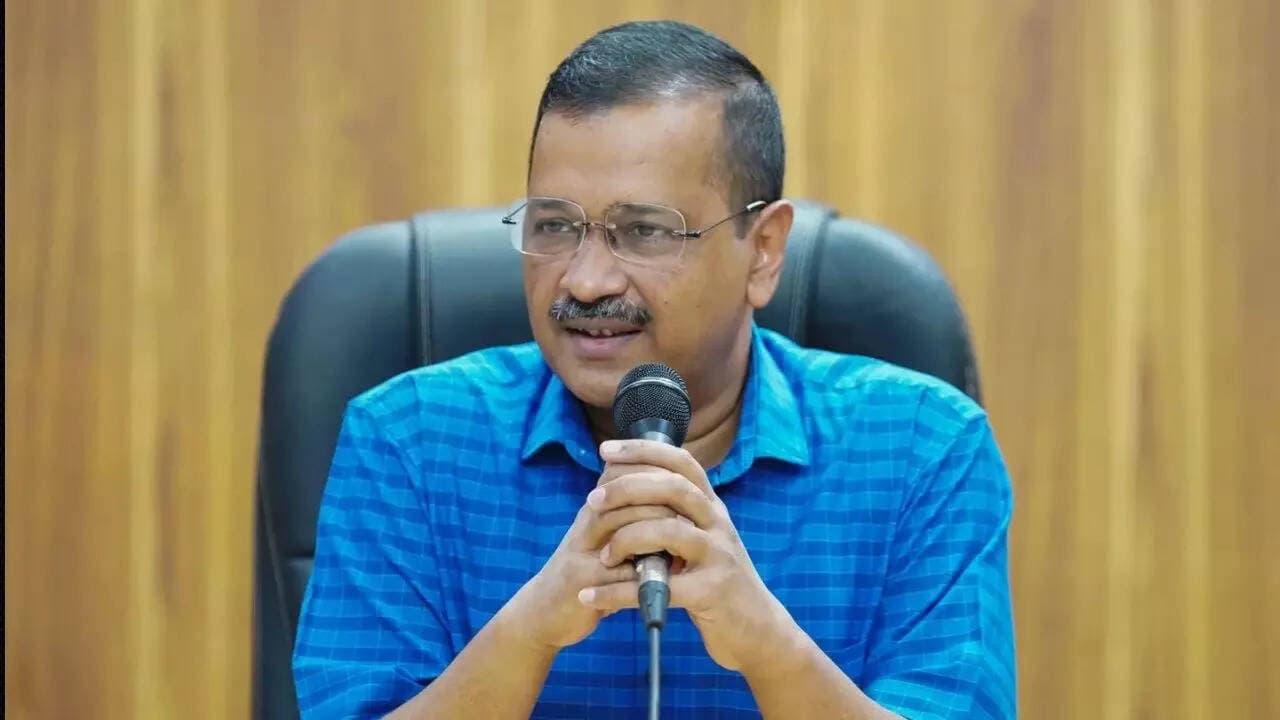
The Aam Aadmi Party and the BJP are locked in a bitter standoff following a fresh wave of Enforcement Directorate searches targeting state-linked figures, with Arvind Kejriwal accusing the Centre of weaponising agencies against Punjab.
The political climate in Punjab has turned volatile this week after Enforcement Directorate (ED) sleuths fanned out across Jalandhar and other cities, marking a significant escalation in the Centre-state friction. The latest searches, including those at the premises of Jalandhar-based businessman Amit Bajaj and Punjab Minister Sanjeev Arora, have triggered a fierce counter-offensive from the Aam Aadmi Party (AAP). AAP national convenor Arvind Kejriwal has not only questioned the timing of these actions but has also adopted a combative narrative, framing the investigations as a targeted campaign against the state’s business community and its political leadership.
The rhetoric reached a fever pitch when Kejriwal directly addressed the recent raids on traders in Jalandhar. Claiming the ED is being used to harass "Hindu traders" in the state, the AAP leader urged the business community to remain steadfast, promising the support of the Bhagwant Mann-led government. "The ED party wants to instill fear," Kejriwal remarked, alleging that the agency is being turned into a tool to break the spirit of those who refuse to defect to the BJP. The party’s media wing has echoed this sentiment, accusing the Centre of hypocrisy for allegedly seeking votes from the community while simultaneously destabilising its livelihoods.
A pattern of pressure?
This is not an isolated confrontation. For the AAP, these raids are part of a broader, systemic effort by the Narendra Modi-led Centre to undermine Punjab’s autonomy. Kejriwal pointed to a pattern where investigative pressure seems to precede political shifts. He cited the case of businessman Ashok Mittal, noting that a raid on his premises was closely followed by his defection to the BJP. Conversely, Kejriwal argues that leaders like Minister Sanjeev Arora, who have faced repeated scrutiny in a Rs 100 crore money laundering probe, are being "broken" because they refuse to switch sides.
The AAP leadership, including Finance Minister Harpal Singh Cheema, has dismissed the investigations as politically motivated, designed to cripple the state ahead of the 2027 assembly elections. The central government, however, maintains that these actions are strictly legal procedures governed by the Prevention of Money Laundering Act (PMLA). The BJP has hit back at Kejriwal’s sharp comparisons—where he likened the Prime Minister to Aurangzeb—by labelling the AAP's accusations as a desperate distraction from the party’s own internal turmoil and alleged corruption.
Why it matters: The bigger picture
The intensity of this standoff signals a critical shift in the power dynamics between New Delhi and Chandigarh. Beyond the immediate legal implications for the individuals under the scanner, this is a battle for the political soul of Punjab. By framing the raids as an attack on "Hindu traders" and the "land of the Gurus," the AAP is attempting to galvanize a narrative of regional defiance against a powerful central executive.
The political stakes are high: the recurring use of central agencies provides the opposition with a potent tool to frame the BJP as an aggressor, while the Centre views these investigations as necessary accountability measures. As the 2027 polls draw closer, the battle between the ED and the state’s political machinery is likely to remain the defining feature of Punjab’s political landscape, potentially overshadowing the substantive policy issues like water-sharing and rural development funding that both sides currently cite as evidence of the other’s negligence.
National Affairs Desk at PoliticalPedia covers government & policy for an Indian audience in English and Hindi.