Karmelo Anthony trial: Is the silence of the accused a fatal legal gamble?
Karmelo Anthony trial: Austin Metcalf's killer's final move that could make his self-defense claim hard to win
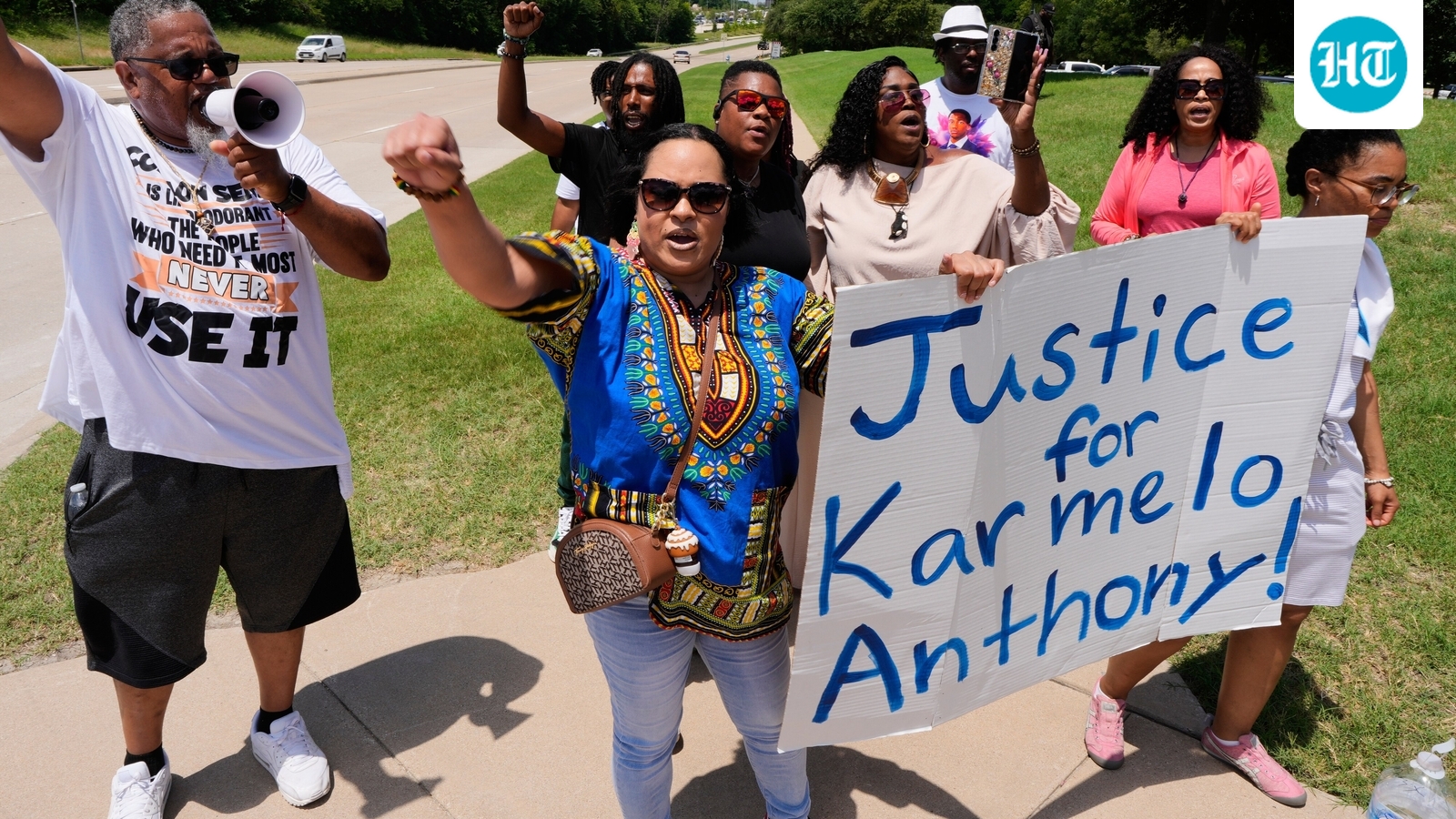
As the defense rests in the trial over the stabbing death of Austin Metcalf, legal experts weigh in on the high-stakes decision that may leave the teen with few options before the jury.
The courtroom in Collin County, Texas, has reached a critical juncture in the trial of Karmelo Anthony. With the defense team resting its case this Monday, the absence of the 19-year-old on the witness stand has sent ripples through the legal community. By choosing not to testify in his own trial for the killing of 17-year-old Austin Metcalf, Anthony has left his defense strategy shrouded in uncertainty, effectively narrowing the legal pathways that could lead to an acquittal.
The burden of silence
In the Texas legal system, mounting a self-defense claim often requires more than just the presentation of evidence; it frequently demands that the defendant acknowledges the conduct at hand. According to veteran local attorneys, there is a distinct "burden of production" in such cases. By keeping Anthony off the stand, his legal counsel has avoided an outright acknowledgment of the act of stabbing, a move that may prevent jurors from even being instructed to consider self-defense as a viable justification for the killing.
The reality of the courtroom is a cold one. Legal analysts, including Steve Bassett, who has navigated the Texas courts for over three decades, suggest that the defense faced an uphill climb from the start. The introduction of a knife into the conflict occurred with startling speed, and there was little evidence to suggest the confrontation had reached a level of intensity that would typically warrant such a lethal response. This evidentiary gap makes the path to a full acquittal look increasingly narrow.
A strategic pivot to manslaughter?
Behind the scenes, observers suspect a tactical pivot. With the self-defense argument potentially compromised by his silence, the defense team appears to be recalibrating. The primary goal now may be to convince the jury to settle for a lesser charge of manslaughter rather than a first-degree murder conviction. As lawyers negotiate the jury instructions ahead of closing arguments, the lack of testimony from Anthony himself suggests a strategy built on limiting the severity of the sentencing rather than securing a total exoneration.
Why it matters
This case serves as a sobering reminder of how quickly a youthful altercation can escalate into a lifelong tragedy. Beyond the individual loss of Austin Metcalf—whose twin brother recently accepted his posthumous diploma in a poignant ceremony—the trial highlights the thin line between legal strategy and total risk. For the jury, the silence of the accused speaks volumes, leaving them to interpret intent without the defendant’s own narrative. The outcome here will likely hinge on whether the prosecution’s case on the speed and nature of the attack outweighs the defense’s attempt to mitigate the charge to manslaughter.
Ananya Iyer covers global affairs with an Indian lens for PoliticalPedia.