Is A TMC Rebellion Brewing In Parliament Too? Party MP Drops Big Hint After Bengal Assembly Revolt
After Bengal Assembly Revolt, Is A TMC Rebellion Brewing In Parliament Too? Party MP Drops Big Hint
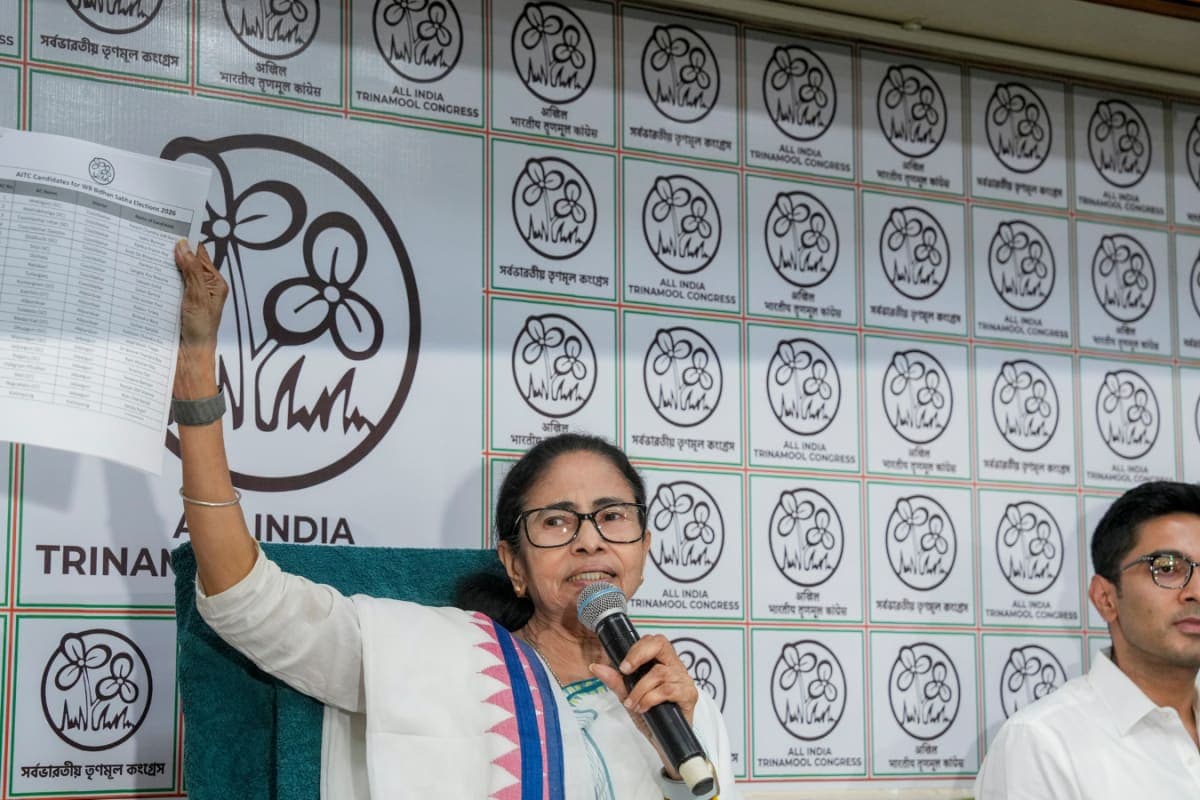
Veteran leader Sukhendu Sekhar Roy warns that the tremors shaking the West Bengal Assembly may soon spread to the national capital, threatening Mamata Banerjee’s grip on the party.
The political landscape in West Bengal is undergoing a tectonic shift, and for the Trinamool Congress (TMC), the instability may soon cross state lines. Following a massive internal revolt that saw nearly 60 MLAs throw their weight behind rebel leader Ritabrata Banerjee, a senior party voice has cautioned that a similar mutiny could be unfolding within the corridors of Parliament.
The crisis in the state assembly reached a boiling point when the Speaker officially rejected the expulsion of rebels and formally recognized Ritabrata Banerjee as the Leader of the Opposition. This development, which effectively legitimizes the splinter group, has sent shockwaves through the Mamata Banerjee-led outfit. Veteran Rajya Sabha MP Sukhendu Sekhar Roy, in a candid admission to the press, noted that the unprecedented exodus of 60 MLAs within such a compressed timeframe serves as a precursor to potential fractures in the Lok Sabha and Rajya Sabha.
A Growing Shadow Over Delhi
When probed about the possibility of the rebellion spreading to the Upper House, the veteran MP stopped short of a definitive confirmation but pointedly refused to rule out the prospect. His warning suggests that the dissent is not merely contained within the regional legislative body but reflects a deeper, systemic dissatisfaction with the current party leadership. Sources indicate that a faction of TMC MPs in both houses of Parliament may already be evaluating their options, drawing inspiration from the successful maneuvers of their state-level counterparts.
However, the party is not speaking in one voice. Seeking to project calm amid the gathering storm, senior TMC leader Sougata Roy dismissed the talk of a collapse as premature. While acknowledging that the opposition—specifically the BJP—may be angling to trigger an "operation" to destabilize the party’s parliamentary wings, he maintained that the current situation is a temporary setback. He insisted that Mamata Banerjee, who founded the party in 1998, has successfully weathered far more daunting political challenges throughout her long career.
The Stakes for Mamata
The political maneuvering at the assembly level has effectively created an "Asli Trinamool" narrative, with rebels going as far as asking the party founder to serve merely as an "adviser" rather than the supreme decision-maker. This emboldened stance of the rebel camp, now bolstered by the Speaker’s decision to recognize their leader, has significantly weakened the party's cohesion.
As the situation develops, the focus shifts to whether the central leadership can mend the widening cracks before the rebellion gains irreversible momentum in the national legislature. For a party that has long been defined by the singular authority of Mamata Banerjee, the prospect of an organized challenge from within her own parliamentary ranks represents arguably the most significant test of her political longevity.
The PoliticalPedia Editorial Desk brings verified, sourced political news and analysis from across India.