Iran’s World Cup Journey: Visa Hurdles and Strategic Shifts Amid Rising Tensions
Is Iran playing in 2026 World Cup? Latest amid US-Iran tensions
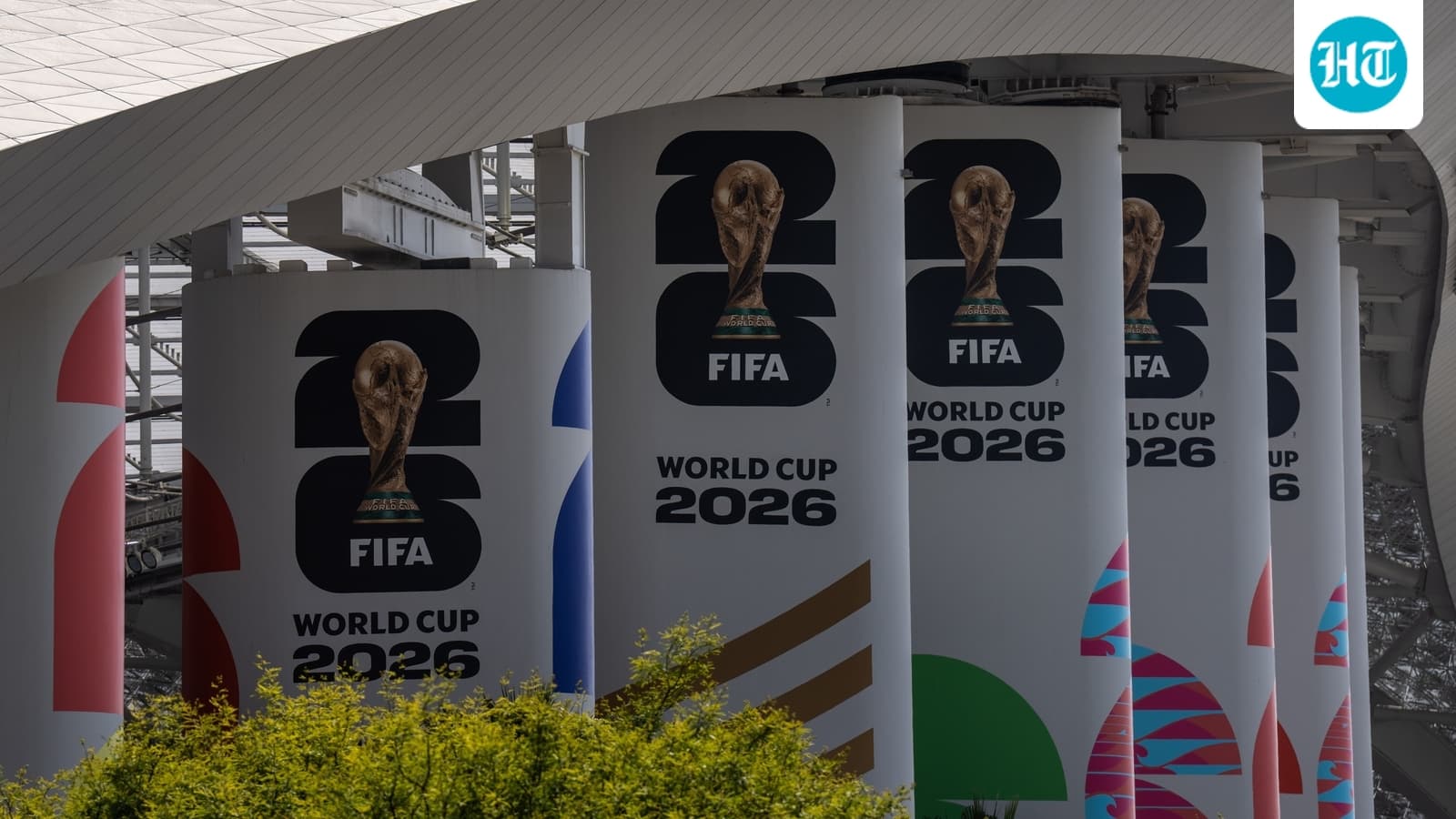
After weeks of uncertainty, Iran’s national football team has secured US visas for the 2026 World Cup, though geopolitical friction has forced a last-minute relocation of their base camp.
The path to the 2026 FIFA World Cup has been anything but straightforward for the Iranian national football team, known as 'Team Melli'. While the squad has officially qualified for the tournament, their participation has been mired in the volatile geopolitical climate between Washington and Tehran. With the latest reports confirming that players have finally been granted the necessary US visas, the focus shifts to how the team will navigate the logistical and political pressures of competing in a tournament co-hosted by the United States.
A Diplomatic and Logistical Pivot
The visa saga, which dominated headlines from Devdiscourse to global news wires, served as a stark reminder of how high-level state tensions can cascade into the sporting arena. Due to complications arising from the ongoing conflict in the Middle East and a growing sentiment within Iran that the team’s exposure on American soil should be carefully managed, officials have made a significant tactical change. Tehran has confirmed that the team’s primary base camp will move from its originally planned location in Arizona to Tijuana, Mexico. This decision serves as a strategic compromise, allowing the team to participate in the world cup while maintaining a logistical distance from the US mainland.
Sporting Passion Amid Geopolitical Volatility
The latest updates suggest that the team is expected to arrive in Tijuana early this Sunday, aiming to begin their campaign on June 15. The timing of their arrival comes as international markets feel the ripple effects of the broader US-Iran conflict, with oil prices nearing $100 and regional instability impacting air travel, including recent disruptions at the Kuwait Airport. For sports enthusiasts, the situation highlights the precarious nature of "soccer diplomacy" in an era where domestic policy decisions have far-reaching global consequences, a dynamic often tracked by analysts like Shirin Gupta.
Navigating a Divided Landscape
While fans are eager to see if the team can replicate the excitement of high-profile fixtures often seen in tournaments—such as the fervor surrounding a classic spain vs england clash—the reality for the Iranian side is inherently linked to the state of international relations. The team has had to balance the rigorous physical demands of tournament preparation with the uncertainty of international movement restrictions.
The move to Tijuana is a rare example of a host nation’s geopolitical environment directly altering the operational blueprint of a participant. As the tournament approaches, the presence of Iran remains a point of intense scrutiny, serving as a microcosm of the broader tensions that continue to define the current international order. Whether this off-pitch maneuvering will impact their performance on the field remains the primary question for observers tracking the world cup this summer.
The PoliticalPedia Editorial Desk brings verified, sourced political news and analysis from across India.