Iran’s World Cup Journey: Strict Visa Mandates and Logistical Hurdles Overshadow Preparations
Iran team permitted on US soil only on days of their World Cup matches: Report
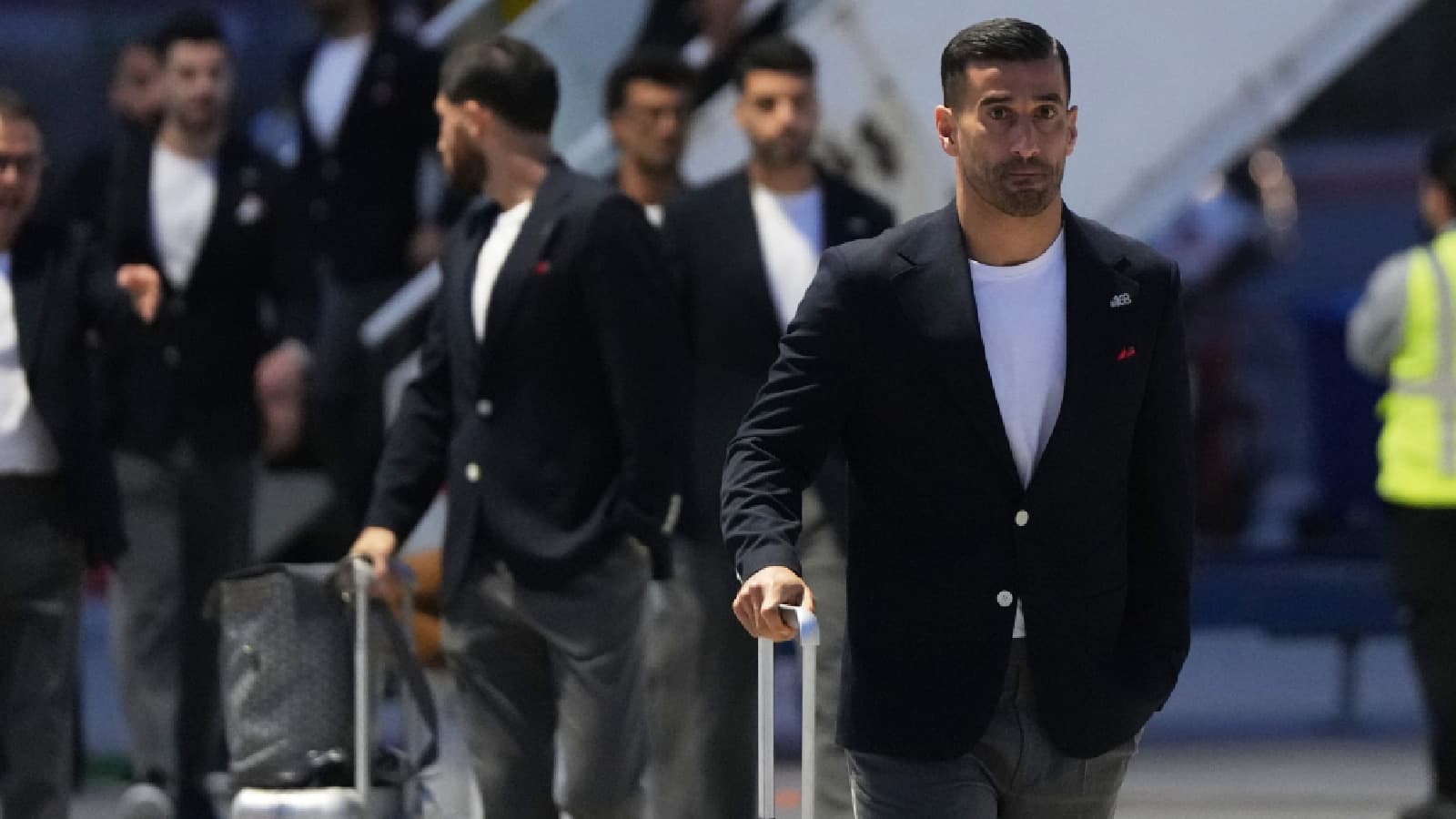
Iranian players face unprecedented travel restrictions for the upcoming World Cup, with reports indicating they must enter and exit the United States only on match days.
The road to the 2026 FIFA World Cup has proven to be as much a geopolitical challenge as an athletic one for the Iran football team. As the tournament approaches, recent reports have clarified that while Iranian players have been granted entry into the United States, their presence on American soil will be subject to extreme limitations. According to statements from Abolfazl Pasandideh, Iran's ambassador to Mexico, the squad is permitted to enter the U.S. solely on the morning of their scheduled matches and must depart immediately following the final whistle.
These stringent travel conditions stem from ongoing diplomatic tensions and existing hostilities between the two nations. The logistical strain has forced the team to relocate its primary training base from Tucson, Arizona, to Tijuana, Mexico, situated just across the border from California. The team, which had been training in Antalya, Turkey, recently arrived in Mexico via private jet to finalize their preparations before their opening group stage encounters later this month.
Visa Complications and Administrative Roadblocks
The visa process has been far from straightforward. While key members of the national squad have secured the necessary documentation to enter the United States, the process remains incomplete for vital members of the delegation. Iranian state television has confirmed that several staff members, including the Football Federation’s secretary-general, Hedayat Mombeini, and vice president, Mehdi Mohammad Nabi, were still awaiting their travel permits as of late last week.
This administrative bottleneck has complicated the team's integration strategy. By setting up camp in Tijuana, the federation is attempting to mitigate the risks associated with the unpredictable visa approval process, allowing the squad to remain in close proximity to their match venues in Inglewood and Seattle without violating the strict "match-day-only" entry policy enforced by U.S. authorities.
A Challenging Path on the Pitch
The Iranian team faces a rigorous schedule. Their campaign begins in Inglewood, California, where they will face New Zealand on June 15, followed by a match against Belgium six days later. Their group stage concludes on June 26 in Seattle with a clash against Egypt. Should the team perform well enough to progress, they could potentially face the United States in a high-stakes round of 32 matchup on July 3 in Arlington, Texas—a scenario that would surely test the logistical and diplomatic frameworks currently in place.
For football fans, these events highlight the complex interplay between international sport and global politics. While FIFA has confirmed Iran’s participation in the tournament, the reality of the team’s movement underscores how geopolitical friction can dictate the day-to-day operations of professional athletes. As the world watches, the focus will likely remain on whether these logistical hurdles will impact the performance of a team already navigating a high-pressure environment far beyond the confines of the pitch.
The PoliticalPedia Editorial Desk brings verified, sourced political news and analysis from across India.