Iran Coach Amir Ghalenoei Calls Out World Cup Managers Amid Travel Chaos
Iran coach calls out World Cup’s 47 other managers: ‘I would say something’
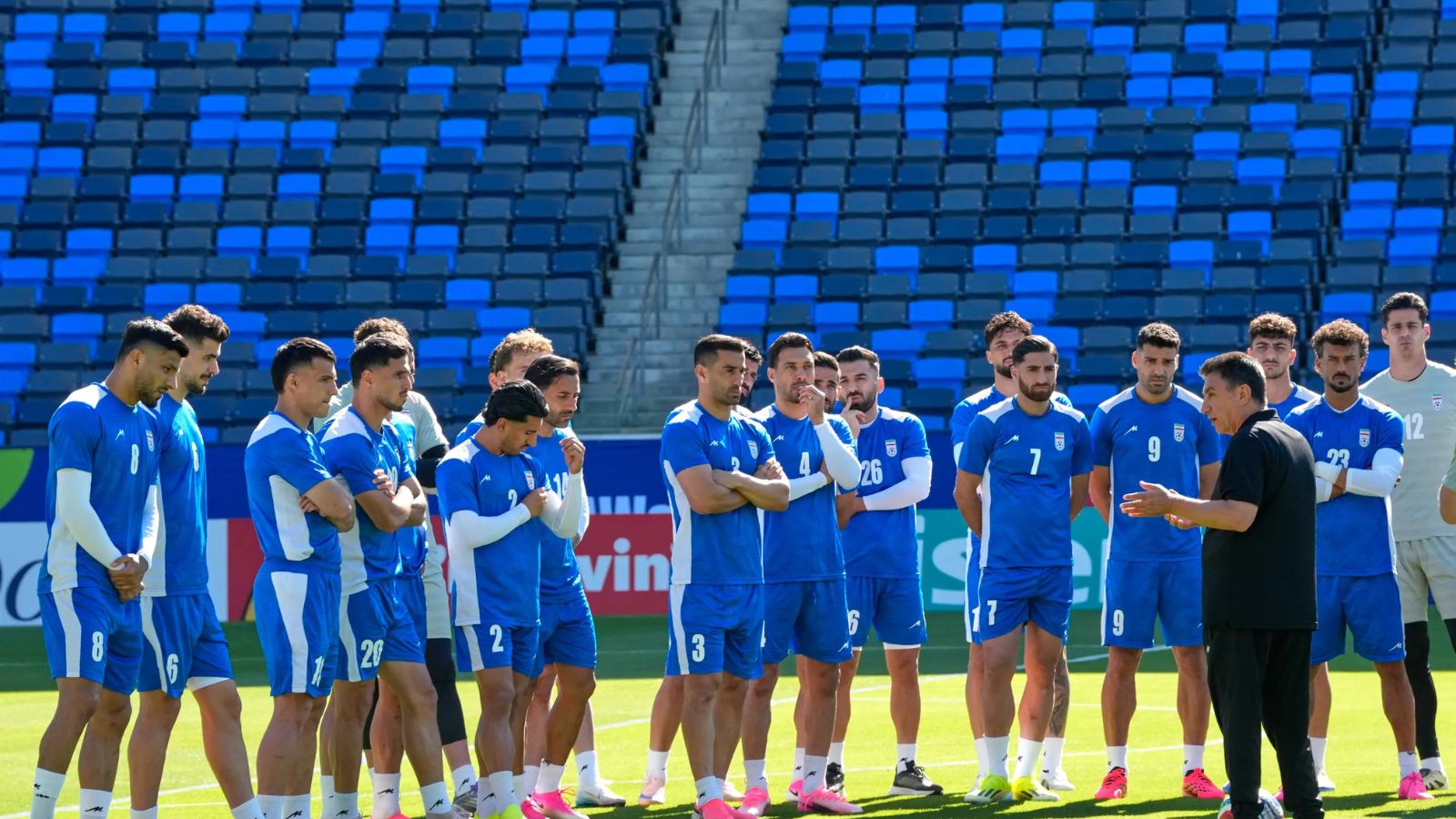
As Iran struggles with severe visa and travel restrictions in the US, their coach claims a deafening silence from the global football community.
The scene at the 2026 FIFA World Cup is increasingly defined by what is happening off the pitch rather than on it. Amir Ghalenoei, the coach of the Iran team, has emerged as the most vocal critic of the tournament's logistics, describing his squad as the "most oppressed" group in the competition. Following a tense 2-2 draw with New Zealand, the team was ordered to immediately vacate the United States and return to their training base in Tijuana, Mexico—a directive that has left the coaching staff frustrated and their recovery plans in tatters.
A Growing Sense of Isolation
For Ghalenoei, the frustration isn't limited to US authorities. Ahead of their Group G clash against Belgium, the coach publicly questioned why the other 47 managers at the World Cup have remained silent regarding the treatment of his team. "I ask the other 47 coaches a question, and none of them have responded to me," he said. The Iranian side has faced a cascade of hurdles, from visa refusals for key technical staff to a mandatory, high-speed travel schedule that prevents them from spending more than 16 hours in the city where they are scheduled to play.
The squad has been forced to operate under strict constraints, commuting from Mexico on the eve of matches and being whisked away immediately after the final whistle. While FIFA President Gianni Infantino has visited the locker room to offer encouragement—telling the players they are "writing history"—the team maintains that words of support do not solve the fundamental logistical inequality they face compared to other nations.
Why it Matters: The Geopolitical Shadow
The bigger picture here is the fragility of sports neutrality when a host nation is embroiled in open conflict with a participating country. The US Department of Homeland Security has maintained that these measures are about safety and security, citing that the team must leave US soil as soon as matches wrap up. However, for a coach tasked with preparing a side for the world’s biggest stage, these constant interruptions are more than just administrative inconveniences; they are a direct hit to the team's technical performance and mental readiness.
This situation sets a challenging precedent for future tournaments. When the mandates of a host government override the standard preparation window for a visiting team, it inevitably invites questions about whether the integrity of the competition is being compromised. As Iran looks toward their upcoming match against Egypt in Seattle, they are currently hoping that FIFA’s ongoing discussions with American authorities will finally grant them the two-day preparation window that has been standard for their opponents. Until then, the friction between the tournament's "football first" message and the reality of the team’s treatment remains a glaring, unresolved tension.
Rohan Gupta covers the economy, markets and companies for PoliticalPedia.