Iran Blames U.S. for Fresh Israel Strikes as Fragile Ceasefire Nears Breaking Point
Iran blames U.S. for latest exchanges of fire with Israel
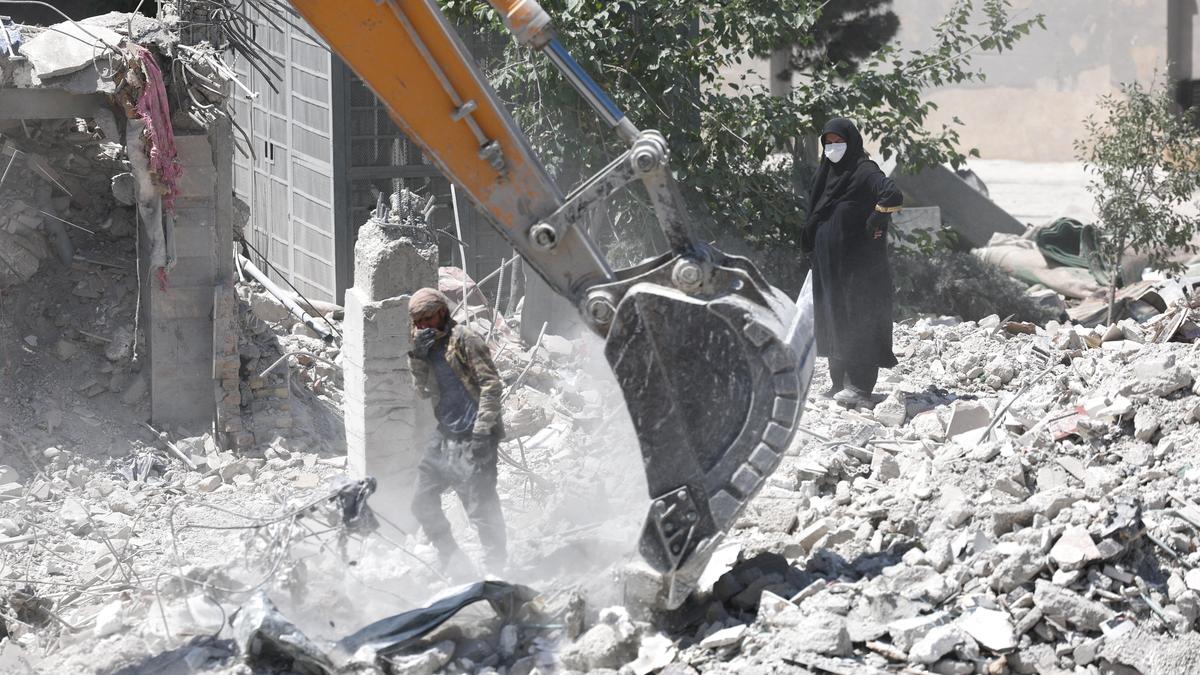
A renewed exchange of fire between Tehran and Tel Aviv has cast a long shadow over the region, with Iran pointing the finger directly at Washington while global powers scramble to prevent a total collapse of diplomatic efforts.
The sounds of a massive blast echoing through Tehran have signaled a grim reality: the 100th day of the ongoing conflict has brought not a cessation of hostilities, but a dangerous escalation. Following the latest round of strikes between Iran and Israel, the two nations have traded accusations even as they claim a temporary pause in direct fire. The volatility remains high, with the latest skirmish threatening to dismantle the already tenuous ceasefire that international mediators have struggled to maintain.
Tehran’s official rhetoric has shifted sharply toward Washington, with Iranian authorities accusing the U.S. of actively stirring the conflict. By framing the American presence as a catalyst for the latest fire, Iranian officials have warned that the broader diplomatic process—a path of negotiation that has been limping along for months—is now facing its most severe strain yet. While the U.S. has not officially responded to these specific allegations, the administration has urged immediate restraint, with Donald Trump publicly calling for both sides to cease the exchange.
A Fragile Equilibrium
The irony of the current situation is not lost on observers. Even as missiles and drones are deployed, both Tehran and Tel Aviv have indicated they have halted direct strikes for the time being. However, the operational reality on the ground contradicts any sense of normalcy. News reports suggest that Iran is doubling down on its "Belt of Resistance" strategy, vowing to maintain influence from the Hormuz Strait to the Red Sea, effectively signaling that a pause in direct engagement does not equate to a de-escalation of its regional military posture.
For those tracking these developments through a business or geopolitical lens, the pattern is clear: the topics of global energy security and regional trade routes are once again being held hostage by military posturing. Whether readers are catching up via a digital newsletter or checking the latest section on market impacts, the message is consistent. The instability is no longer a localized issue; it is a systemic threat to the fragile recovery of global supply chains.
Why it matters
The broader implication of this latest flare-up is the erosion of trust in mediated diplomacy. When Iran links its military engagement with Israel directly to U.S. policy, it essentially signals that bilateral talks in places like Geneva or Vienna are secondary to the regional power struggle. For the markets, this uncertainty is toxic. Investors hate unpredictability, and the "will-they-won't-they" cycle of military strikes creates a premium on oil and shipping insurance that eventually trickles down to the average consumer.
If the diplomatic window closes completely, the risk of a full-scale regional conflagration increases exponentially. While both sides claim they are pulling back for now, the incident proves that the ceasefire is largely symbolic. Until there is a fundamental change in the security architecture of the Middle East, businesses and policymakers must prepare for a "new normal" defined by intermittent conflict and the constant threat of supply chain disruptions.
Rohan Gupta covers the economy, markets and companies for PoliticalPedia.