Inside the Lockdown: How NTA is Securing the NEET UG 2026 Re-Exam
NEET UG 2026 re-exam under unprecedented security with question paper setters in strict isolation and multi-layer monitoring by NTA
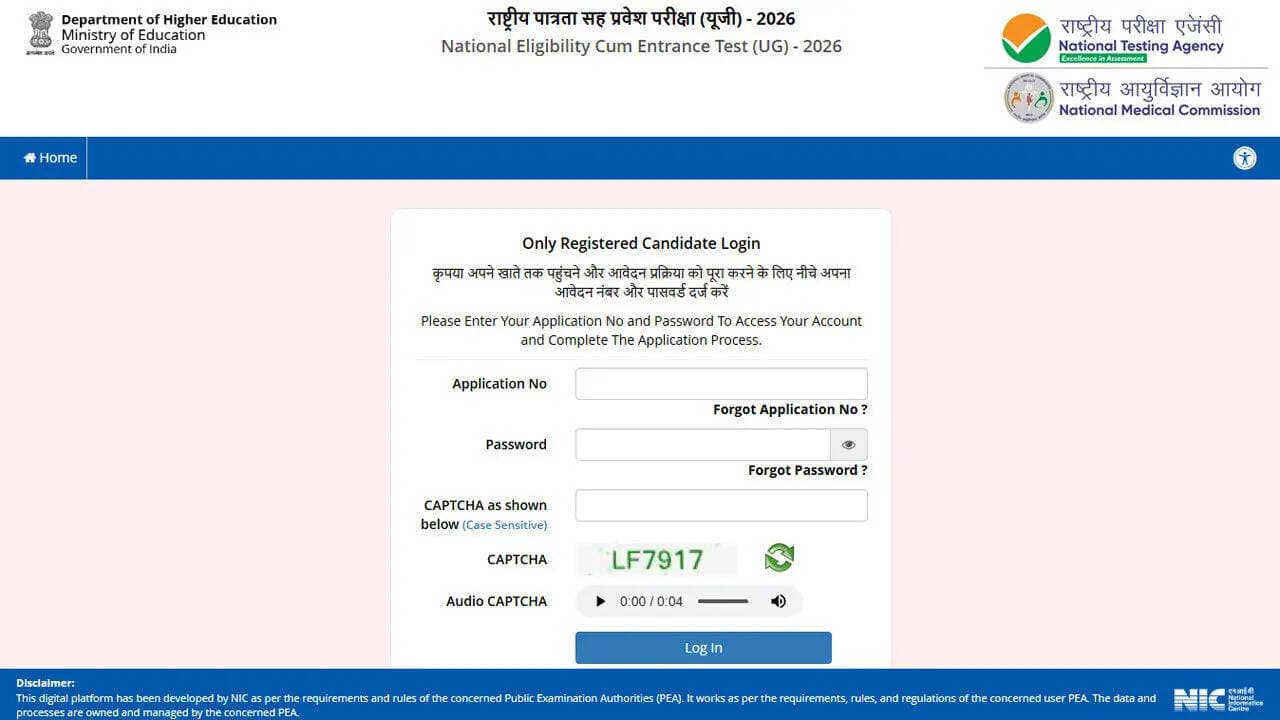
From isolated paper setters to potential IAF transport, authorities are deploying an unprecedented security grid to safeguard the June 21 re-test.
The silence inside the undisclosed facility is intentional. For the experts currently tasked with drafting, moderating, and translating the question paper for the NEET UG 2026 re-exam, the outside world has effectively ceased to exist. In an effort to prevent a repeat of the breach that derailed the May attempt, the NTA has placed these individuals under a total lockdown. There are no phones, no internet access, and no smartwatches allowed. Every movement is logged, and until the June 21 examination concludes, these personnel remain under 24/7 supervision to ensure the integrity of the process remains uncompromised.
This "deep lockdown" is just the primary layer of a multi-tiered security architecture designed to restore faith among the 2.2 million aspirants affected by the earlier cancellation. Beyond the isolation of the experts, the agency has opted for radical compartmentalization. By splitting the operational chain—from the initial drafting and printing to the final logistics—no single individual holds a complete view of the process, a structural safeguard meant to neutralize the risk of internal leaks.
A Massive Logistical Undertaking
The sheer scale of the security operation is staggering. Across the country, 551 cities and 14 international locations are bracing for the pen-and-paper test. To prevent the physical interception of materials, the government is reportedly exploring high-security logistics, including the use of Indian Air Force aircraft to transport sensitive documents. Once at the centers, candidates will face a three-layer screening process, involving local police and advanced biometric verification. High-definition CCTV feeds will stream directly to a central control room in Delhi, while facial recognition technology tracks every entry to combat impersonation rackets.
The Battle Against Misinformation
Even as the NTA locks down the physical process, it is fighting a secondary war on digital platforms. In recent days, social media and messaging groups have seen a spike in fraudulent claims regarding paper leaks or the "sale" of test materials. The agency has issued stern warnings, characterizing these posts as malicious attempts to destabilize the system. Monitoring teams are working around the clock to flag and report such content, urging students to ignore rumors and focus on their preparations.
Why it matters
The intensity of these measures reflects a critical inflection point for India’s medical education system. The NEET crisis is no longer just a technical failure; it has become a litmus test for the credibility of national entrance exams. By shifting to a "zero-trust" model—where every link in the chain is treated as a potential point of failure—the authorities are attempting to demonstrate that the sanctity of the classroom is paramount. However, the true challenge lies in proving that this level of extreme oversight is sustainable. If the June 21 exam proceeds without a hitch, it may set a new, albeit heavy, standard for how the state conducts high-stakes testing in an era of hyper-connected cheating rackets.
World Desk at PoliticalPedia covers global affairs for an Indian audience in English and Hindi.