India Gets Three New Warships as PM Modi Commissions Homemade Dunagiri, Sanshodhak, and Agray
India Gets 3 New Warships, PM Modi Commissions Homemade Dunagiri, Sanshodhak, Agray
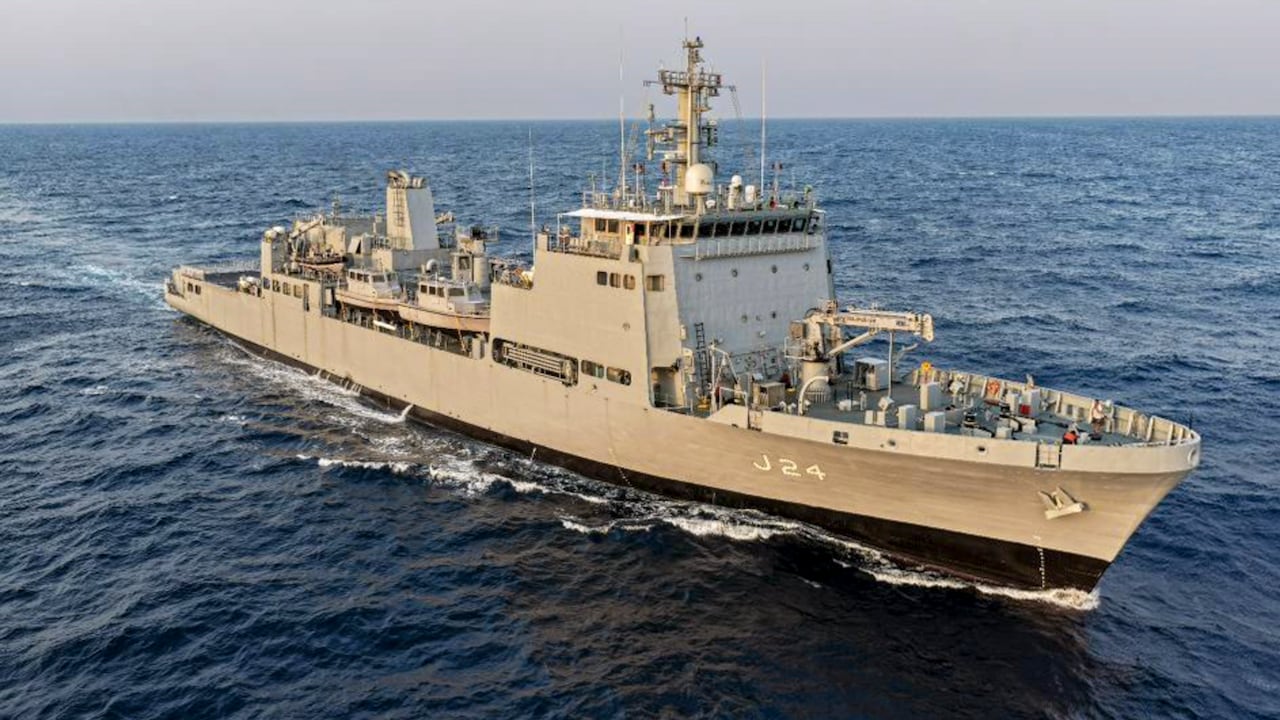
The induction of these three indigenous naval platforms in Kolkata marks a significant step forward for the Indian Navy's operational self-reliance and maritime combat strength.
The Hooghly River witnessed a display of growing naval might this week as Prime Minister Narendra Modi commissioned three indigenously built vessels—INS Dunagiri, INS Sanshodhak, and INS Agray—into the Indian Navy. The ceremony, held in Kolkata, serves as a major milestone for the domestic shipbuilding industry, with all three platforms constructed by the state-run Garden Reach Shipbuilders and Engineers (GRSE). The event was marked by a vibrant maritime demonstration involving 500 boats and a high-tech drone show, highlighting the intersection of India’s naval tradition and its modern technological ambitions.
A Trio of Specialized Capabilities
Each of the three warships serves a distinct operational role, reflecting the Navy's strategy to balance blue-water reach with coastal security. The most prominent is the INS Dunagiri, a Project 17A stealth frigate. As the fifth of its class, it is a multi-mission platform armed with BrahMos supersonic missiles and advanced air defence systems. Designed as a successor to the legendary Leander-class frigate of the same name, the new Dunagiri is built for high-end surface warfare and survivability.
Complementing the frigate’s combat power are the survey and anti-submarine assets. The INS Sanshodhak, a large survey vessel, is equipped with autonomous underwater vehicles and side-scan sonar, designed to map the seabed and collect vital oceanographic data for both military and civilian use. Meanwhile, the INS Agray, an Arnala-class anti-submarine warfare shallow water craft (ASW SWC), is tailored for littoral zones. By carrying torpedoes and rocket launchers, it gives the Navy a dedicated tool to track and neutralize underwater threats in the country's busy coastal waters.
Why it Matters: The Bigger Picture
The induction of these vessels is more than just an addition to the fleet; it is a clear indicator of the government’s "Make in India" push in the defence sector. All three platforms feature over 75% indigenous content, a threshold that underscores a shift away from reliance on foreign suppliers. By utilizing the Navy's Warship Design Bureau and local shipyards like GRSE—which recently earned 'Navratna' status—India is successfully creating a self-sustaining ecosystem for high-tech maritime manufacturing.
From a strategic standpoint, this commissioning arrives at a critical time for the Indian Ocean Region. With increasing submarine activity by regional rivals, the specialized capabilities of the ASW SWC Agray and the reconnaissance reach of the survey vessel Sanshodhak are essential for maintaining maritime domain awareness. As the Indian Navy expands its blue-water footprint, the ability to churn out sophisticated, domestically built warships ensures that the country can protect its interests without being beholden to international supply chain disruptions.
Rohan Gupta covers the economy, markets and companies for PoliticalPedia.