India Eyes Return to 7% Growth Path by FY28 Amid Global Economic Headwinds
India can return to 7% GDP growth path in FY28 with macro stability, supply measures: CEA Nageswaran
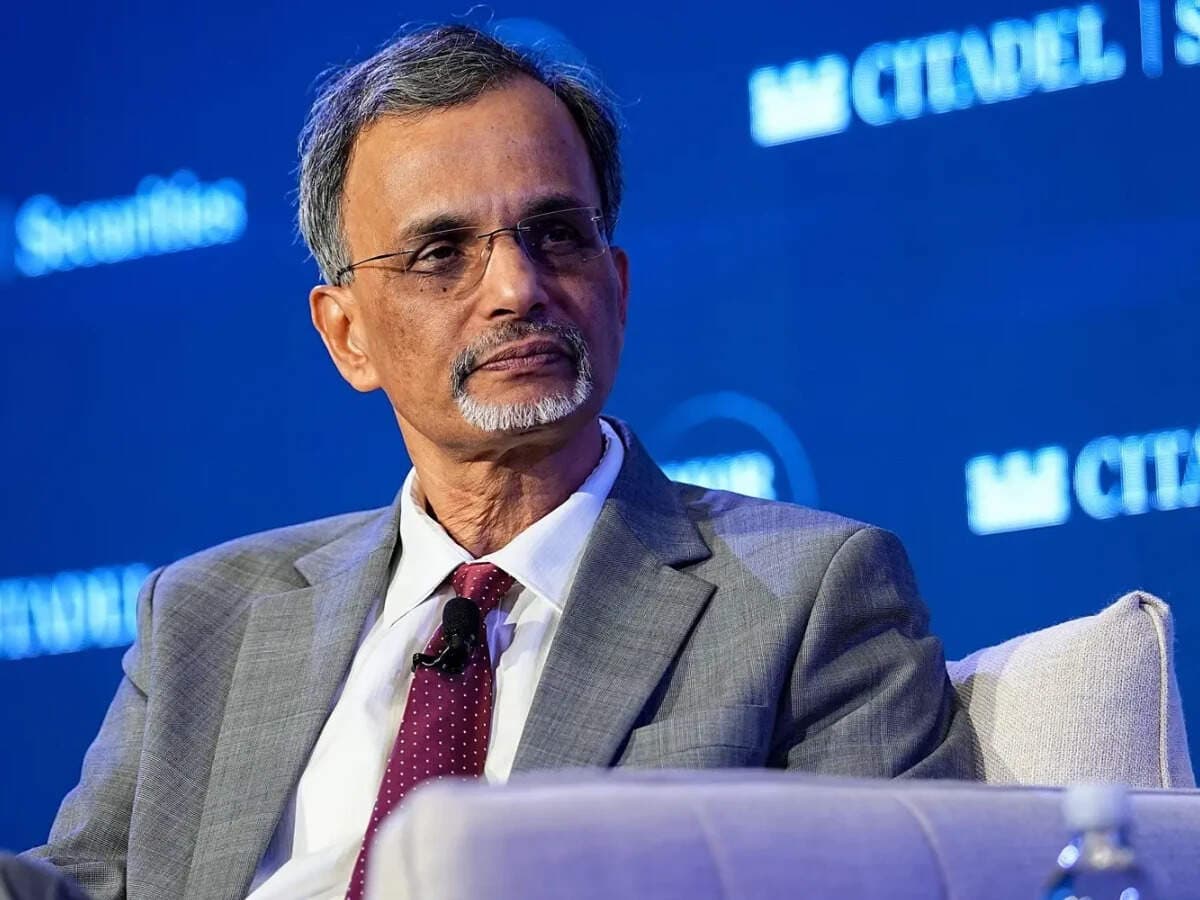
Chief Economic Adviser V. Anantha Nageswaran emphasizes that sustaining macroeconomic stability and supply-side reforms will be critical to steering the economy back toward a high-growth trajectory.
India’s economic roadmap is facing a period of recalibration as global geopolitical tensions and volatile energy prices weigh on near-term prospects. Addressing the current climate on Friday, CEA Nageswaran said that while the immediate horizon is clouded by external uncertainties—specifically the ongoing conflict in West Asia and persistent supply chain disruptions—the foundation for a rebound remains firm. His remarks follow the Reserve Bank of India’s (RBI) recent decision to trim its growth forecast for FY27 to 6.6%, down from the 6.9% projection made earlier in April.
The government has opted to maintain a pragmatic stance, choosing not to contest the central bank’s conservative outlook. Nageswaran noted that the RBI’s revised figures are a balanced reflection of current realities, acknowledging that the path forward contains both upside potential and downside risks. He underscored that should global conditions stabilize—essentially returning to the landscape that existed prior to late February—the domestic growth momentum is well-positioned to regain its strength.
The Path to FY28 Recovery
For the economy to reclaim a 7% growth path by FY28, the government intends to lean heavily on continued supply-side measures and strict macroeconomic stability. According to Nageswaran, the strategy is contingent upon the easing of external pressures that have hindered global trade and increased the cost of commodities. He emphasized that these policy interventions are designed to insulate the domestic market from external shocks, provided that the geopolitical environment does not deteriorate further.
"We have no reason to second-guess the RBI forecast at this point," Nageswaran explained, adding that the government remains prepared to revisit these estimates if the current disruptive conditions persist into the next financial year. The reliance on supply-side assurances reflects a broader effort to boost domestic productivity, ensuring that India remains resilient even when the global economy faces structural headwinds.
Nominal GDP and Inflationary Trends
Beyond real GDP calculations, the CEA provided an optimistic outlook regarding nominal growth. He indicated that the nominal GDP for the current financial year is likely to surpass the government's initial Budget estimate of 10.1%. This projected overshoot is primarily driven by the upward momentum in retail inflation. While inflation poses a challenge to purchasing power, the resulting rise in nominal figures suggests that the economy is expanding in monetary terms at a faster pace than initially projected during the budget planning phase.
The current situation highlights the intricate balance policymakers must strike between managing inflation and fostering a conducive environment for long-term investment. By prioritizing stability, the government aims to weather the current volatility in energy markets and supply chains, banking on a return to normalcy to fuel the next phase of India’s economic expansion.
The PoliticalPedia Editorial Desk brings verified, sourced political news and analysis from across India.