In a Volatile West Asia, Doval’s Quiet Diplomacy Keeps India’s Strategic Stakes High
NSA Ajit Doval holds talks with Iran's top security official amid Middle East tensions
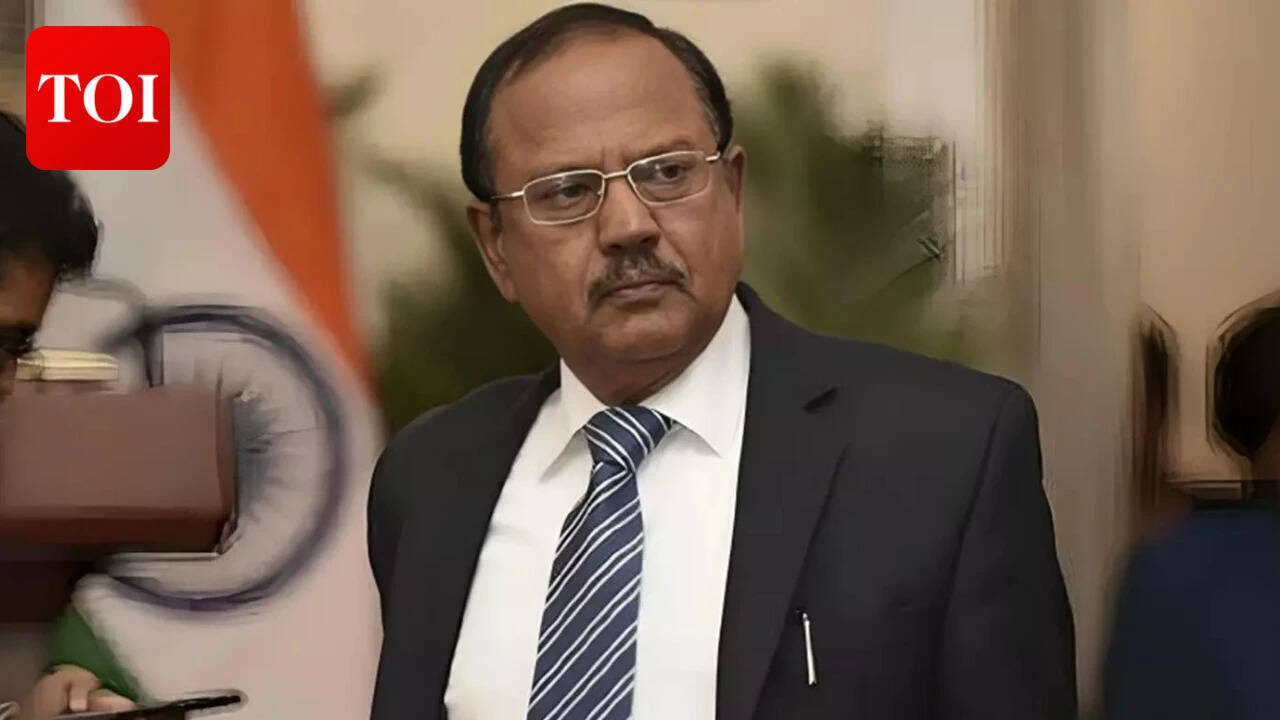
As tensions flare across the Middle East, India’s NSA Ajit Doval is navigating a delicate diplomatic tightrope, balancing BRICS engagement with high-stakes bilateral talks in New Delhi.
The South Block corridors are buzzing with an intensity rarely seen in recent years. As New Delhi hosts the 16th BRICS national security advisers’ meeting, NSA Ajit Doval is front and center, steering a guest list that mirrors the fractured nature of global power today. With the Middle East caught in a downward spiral of conflict, Doval’s meeting with Ghadir Nezamipour, Iran’s deputy secretary for defence affairs, signals that India is working overtime to ensure its strategic and economic interests remain insulated from regional volatility.
This encounter—the first visit by a senior Iranian official since Tehran’s recent peace overtures with the US—highlights the "Doval doctrine" of multi-alignment. While the world watches the Gulf with bated breath, New Delhi is actively leveraging its position as the current BRICS chair to keep communication channels open with all major players, including Russia’s Sergei Shoigu and China’s Wang Yi.
A High-Stakes Agenda
Beyond the ceremonial handshakes, the substance of these discussions is heavy. The MEA has confirmed that the gathering is focusing on the "non-traditional security challenges" that define our era. For India, this is not just theoretical. Sources indicate that Doval is driving the conversation toward the reality of cross-border terrorism, specifically targeting Pakistan-based groups that threaten Jammu and Kashmir.
The Middle East crisis has also forced an urgent recalibration of India’s energy and citizen-safety protocols. With the Prime Minister’s Office reviewing the impact of the Gulf turmoil on critical supplies and the safety of the Indian diaspora, the security conclave provides the perfect cover to address these regional pressures without the glare of a bilateral summit.
Why it matters
The bigger picture is clear: India is positioning itself as a "bridge power." By engaging with Iran, Saudi Arabia, and global giants like Russia and China simultaneously, Doval is trying to prevent the Middle East conflict from spilling over into India’s immediate neighborhood or disrupting its essential energy imports.
The pattern is unmistakable. Whether it is Doval’s recent outreach in Riyadh or these high-level interactions in Delhi, the goal is stability. India’s ability to influence the conversation—or at least stay informed by those who hold the levers of power—is the only way to protect its interests in a global order that feels increasingly like a powder keg. If the regional conflict escalates, the proactive, quiet diplomacy currently playing out in Delhi may prove to be the most vital insurance policy the country has.
Priya Nair covers parties, elections and the business of power for PoliticalPedia.