Identity Politics in PoK: Faizal Mumtaz Rathore Slams Pakistan Defence Minister’s ‘Proper Kashmiri’ Remark
'Do not need validation': PoK 'PM' mocks Pak defence minister over 'not proper Kashmiris' remark
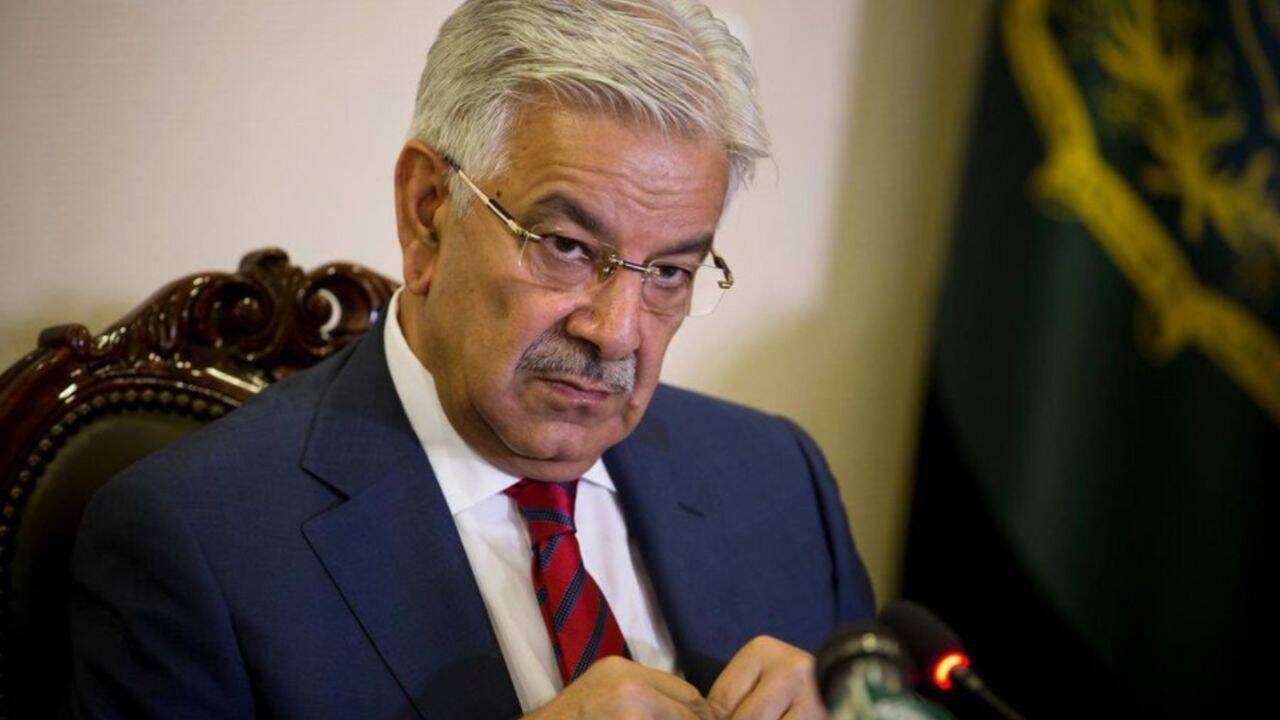
An escalating war of words between the PoK administration and Islamabad highlights simmering tensions over regional identity and governance.
The fragile relationship between Islamabad and Pakistan-occupied Kashmir (PoK) has hit a new low after Pakistan’s defence minister, Khawaja Asif, controversially questioned the regional identity of residents in the Rawalkot and Mirpur districts. In a television interview that has since triggered a firestorm, Asif suggested that those living in these areas are "not proper Kashmiris," a remark that has been met with immediate and sharp defiance from the region’s leadership.
Faizal Mumtaz Rathore, the "Prime Minister" of PoK, launched a blistering response on social media. Dismissing Asif as a "boomer" whose rhetoric is actively tearing the social fabric apart, Rathore asserted that the people of Jammu and Kashmir do not require any validation from a Pakistani minister to define their heritage. The rebuke was pointed: Rathore accused the defence minister of attempting to pivot away from a brewing domestic crisis by attacking the local governance of his own administration.
The Context of the Crackdown
This rhetorical clash does not exist in a vacuum. It comes at a time when the region is grappling with intense public unrest. Protesters are taking to the streets across PoK, fueled by mounting anger over inflation and the high cost of living. With elections scheduled for July, the political atmosphere is volatile. Analysts suggest that Asif’s attempts to distance the central government from these regions might be a tactical effort to deflect responsibility for the economic mismanagement and the subsequent civil unrest that has seen citizens demanding relief.
Rathore’s rebuttal makes it clear that the PoK administration is no longer willing to serve as a convenient scapegoat for Islamabad. "A more dignified act would be to address the elephant in the room and apologize for your original remarks," the PoK 'PM' posted, urging the minister to stop hiding behind critiques of governance when the fundamental identity of the population is being questioned.
Why it matters
The spat reveals a deepening chasm between the political establishment in Pakistan and the local administrative leadership in PoK. By casting doubt on who qualifies as a "proper Kashmiri," the defence minister has inadvertently alienated the very constituencies the state relies on for stability.
For the observer, this incident underscores a classic pattern: when economic pressures and public dissatisfaction reach a boiling point, political leaders often resort to exclusionary rhetoric to shift the narrative. However, in this case, the strategy has backfired, forcing a public confrontation that highlights the growing disconnect between the Pakistani centre and the occupied territories. As we approach the July elections, this test of authority—and the friction over regional identity—is likely to dictate the pulse of the upcoming political cycle.
Arjun Mehta reports on government, policy and Parliament for PoliticalPedia, in English and Hindi.