Grounded by Debt: SpiceJet Pilots Face Financial Strain as Salaries Remain Unpaid
SpiceJet's cash crunch deepens: Many pilots unpaid since March, airline seeks emergency loan
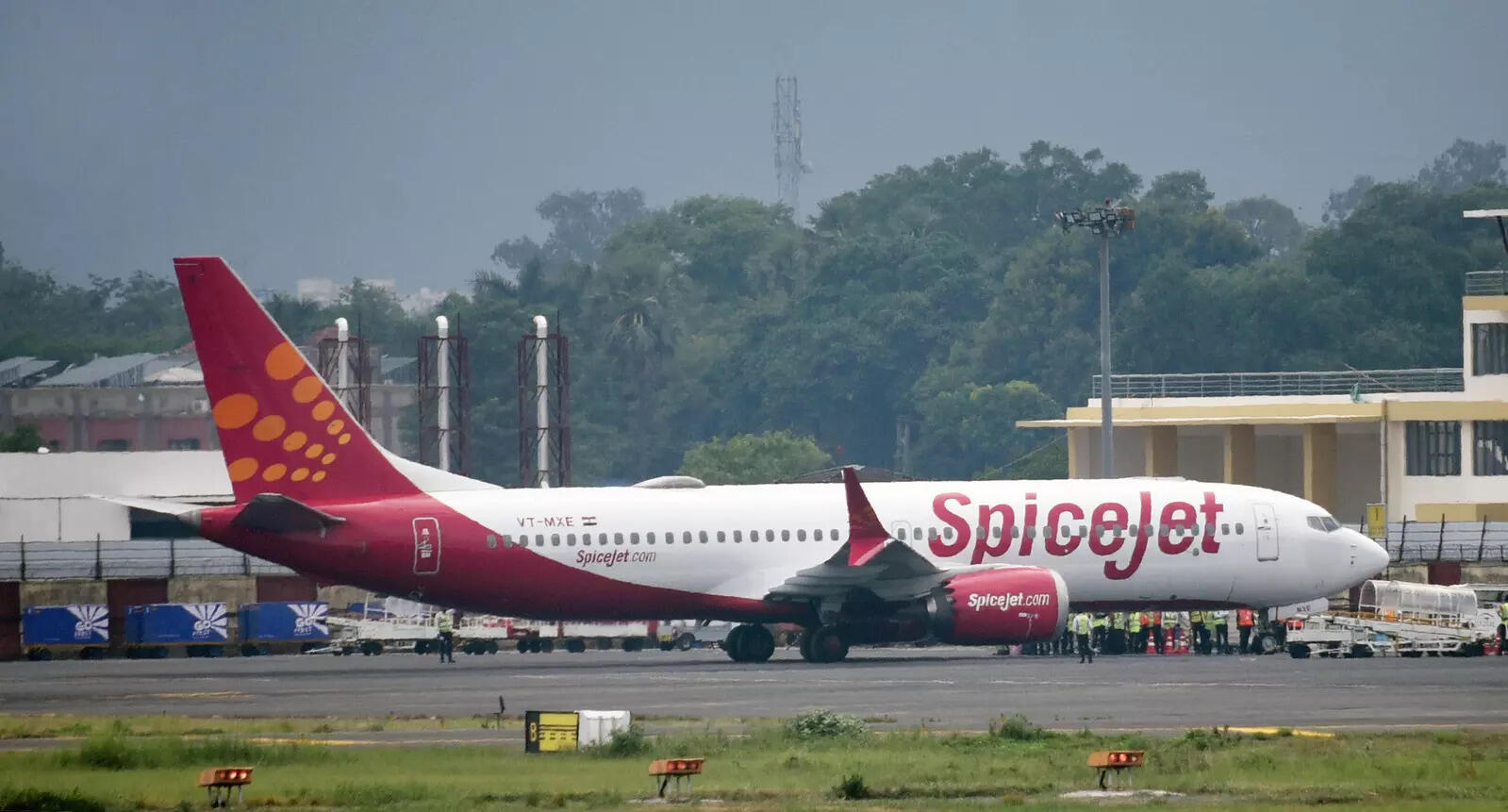
As the airline scrambles for a government-backed lifeline, internal turmoil reveals a workforce struggling to meet basic commitments.
The cockpit of a commercial aircraft is a place of absolute precision, but for hundreds of SpiceJet pilots, the ground reality has become chaotic. Internal communications reveal that many employees have been left waiting for their salaries since March, turning the airline’s internal messaging groups into forums for both anxiety and desperation. For a carrier that prides itself on connectivity, the disconnect between management and its flight crew is growing by the day.
A Growing Financial Void
The scale of the crisis is significant, affecting a workforce that included 375 pilots as of March. In one telling exchange within a WhatsApp group of over 180 members, a pilot laid bare the human cost of the cash crunch. "Managing day to day expenses has become really, really challenging," the message read, noting that some staff are now forced to seek financial assistance just to cover essential commitments.
The digital trail of these frustrations hit a fever pitch in late May. A message purportedly sent by the airline’s senior vice president of flight operations, Virendra Malhotra, acknowledged the "difficult phase" caused by payment delays. While he attempted to offer a sliver of hope by promising the release of pending February dues, Malhotra later categorically denied having issued any such communication when contacted for comment. This contradiction underscores the confusion currently gripping the airline's internal operations.
The Push for Emergency Liquidity
SpiceJet has officially acknowledged that there have been delays, though it maintains that payments are being disbursed in a phased, ongoing manner. To bridge the widening gap, the airline is now pinning its hopes on the government’s Emergency Credit Line Guarantee Scheme. This facility would allow the carrier to access up to 15 billion rupees in government-backed loans, a vital infusion needed to restore operational stability. The airline insists that "extraneous factors" are to blame for its current state, and that it is doing everything in its power to reach normalcy.
Why It Matters
This is not merely an internal HR dispute; it is a recurring warning sign in India’s volatile aviation sector. When an airline struggles to meet payroll, it often signals a deeper liquidity trap that threatens long-term sustainability. For passengers and regulators alike, the "phased" payment model is a red flag. If a carrier cannot prioritize its most critical human capital—those responsible for the safety of its Boeing fleet—the structural integrity of the business becomes a matter of public concern. The government’s decision on the emergency loan will now serve as a litmus test for how much systemic risk it is willing to shoulder to keep a major player airborne.
National Affairs Desk at PoliticalPedia covers government & policy for an Indian audience in English and Hindi.