Gravity-Defying: How SpaceX’s $75 Billion IPO Rewrites the Financial Rulebook
Elon Musk's SpaceX raises $75 billion in record IPO debut: 10 things to know
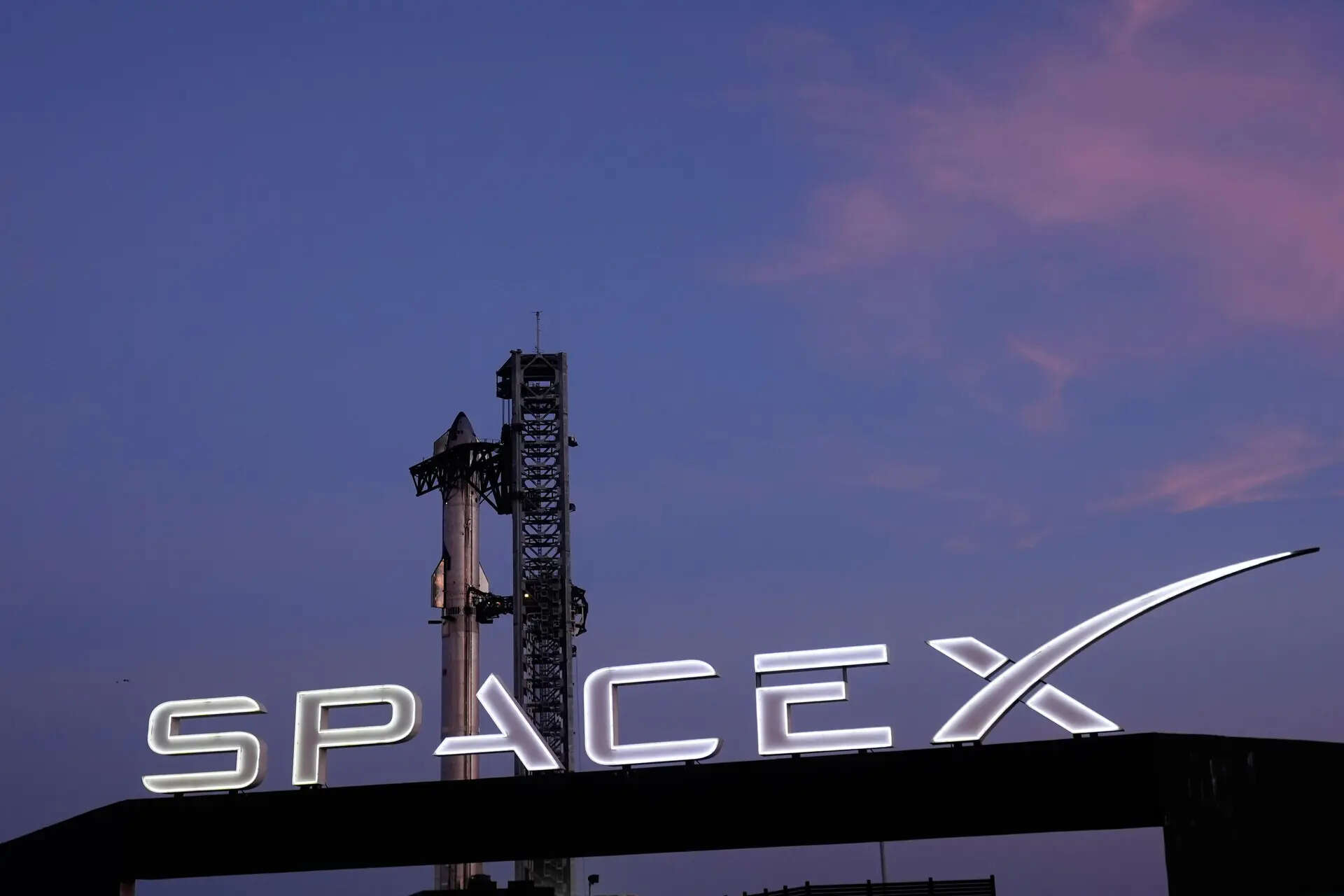
Elon Musk’s space venture hits the Nasdaq with a record-shattering debut, setting the stage for a new era of trillion-dollar corporate valuations.
The floor of the Nasdaq is bracing for a seismic shift. SpaceX, the aerospace titan that transformed from a niche rocket startup into a multi-planetary architect, has officially priced its historic IPO at $135 per share. By offloading 555,555,555 shares, the company has secured $75 billion—a figure that comfortably eclipses the $29.4 billion raised by Saudi Aramco in 2019. This listing isn’t just a financial milestone; it is the most significant stock market debut in history, valuing the firm at a staggering $1.77 trillion.
Demand has been nothing short of frenzied. While institutional heavyweights like BlackRock reportedly moved to secure $5 billion worth of stock, retail interest has been equally voracious, with individual investors clamoring for a piece of the action. It is a stark contrast to recent market benchmarks; for perspective, Cerebras, the largest IPO seen earlier this year, managed a total raise of just $5.55 billion. The sheer scale of this SpaceX offering suggests that the appetite for Musk-led ventures remains untethered from traditional valuation metrics.
The Trillion-Dollar Man
The financial implications for Elon Musk are equally gargantuan. With roughly 42% of the company under his control—and a lock-up period preventing him from selling those shares for at least a year—his paper wealth is entering uncharted territory. Analysts tracking his portfolio, which includes significant stakes in Tesla, now project his net worth could climb toward $2 trillion in the coming years. If these projections hold, Musk isn't just leading the market; he is effectively redefining the ceiling for individual wealth.
Beyond the Rocket
Investors are clearly betting on more than just satellite launches. While SpaceX cut its teeth on lowering the cost of space travel, it has morphed into a conglomerate of sorts. The company now oversees Starlink, its expansive satellite internet network, and has integrated xAI, Musk’s artificial intelligence venture, into its operational core. This diversification into AI and global connectivity is likely what convinced institutional investors to pay a premium, viewing the firm as a tech-infrastructure hybrid rather than a pure-play aerospace manufacturer.
Why it matters
The success of this spacex ipo signals a shift in how markets value the "future economy." By bundling space logistics, high-speed internet, and AI under one corporate umbrella, Musk has created a stock that institutional funds find difficult to ignore, even at such an aggressive valuation. For the average employee, this is a life-altering event; thousands of staff members holding stock options will see their compensation packages turn into significant wealth overnight. However, the pressure now shifts to the balance sheet. With mounting expenses inherent in deep-space exploration and global satellite deployment, the market will soon demand more than just vision—it will demand consistent, long-term profitability.
Rohan Gupta covers the economy, markets and companies for PoliticalPedia.