Govt Mandates Bulk Route, Bars Industries From Fueling at Petrol Pumps
Govt bars industries from buying petrol, diesel at pumps; mandates bulk purchase route
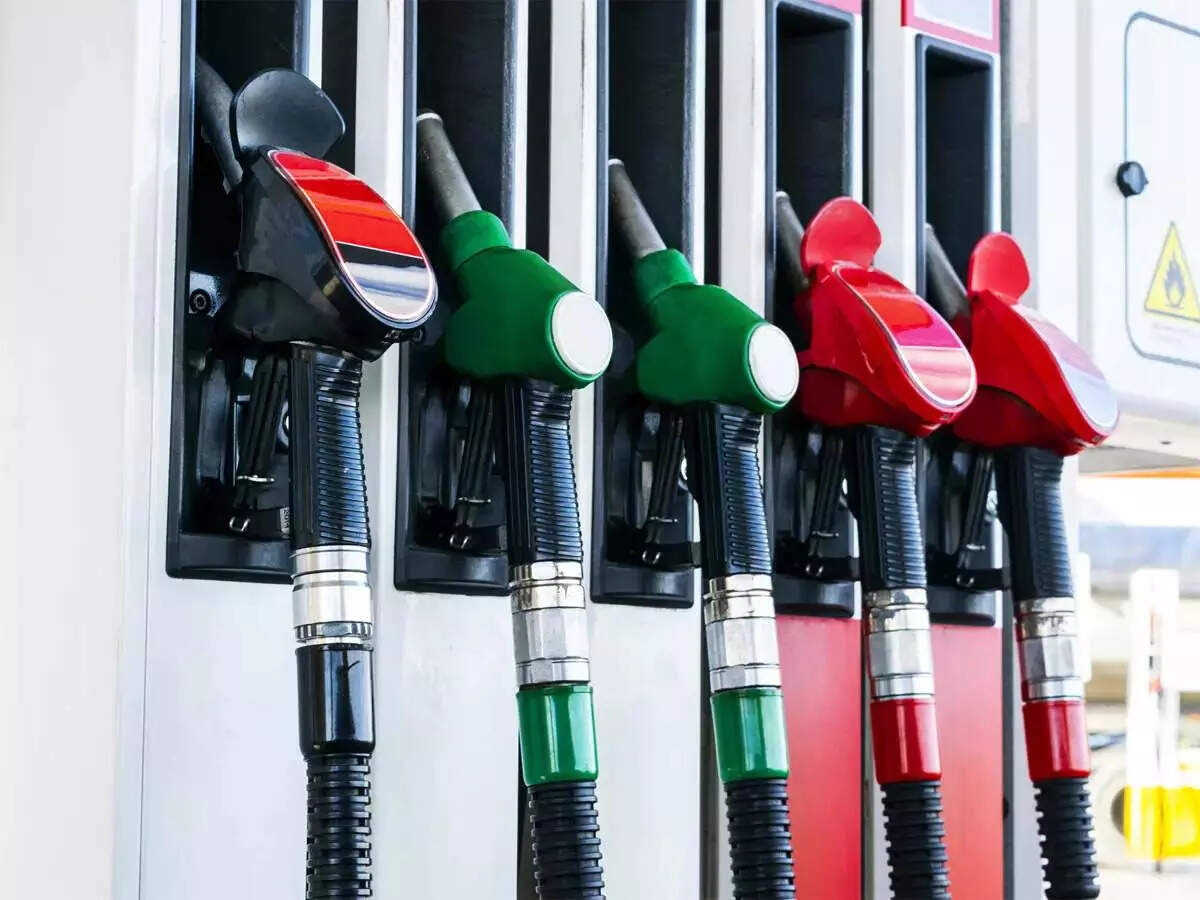
New regulatory order forces industrial and commercial entities away from retail fuel outlets to stabilise supply chains amid global price volatility.
The queues at petrol pumps have been getting longer, and for reasons that have little to do with the average commuter. Driven by a widening chasm between retail and wholesale prices, industrial and commercial consumers have been deserting their usual supply chains to top up at retail outlets. This trend, which began putting immense pressure on local fuel availability, has finally forced the government’s hand.
On Wednesday, the Ministry of Petroleum and Natural Gas issued the Motor Spirit and High Speed Diesel (Temporary Regulation of Supply through Retail Outlets) Order, 2026. The directive is blunt: industrial, commercial, and institutional users are now barred from purchasing petrol and diesel at retail fuel stations. Instead, these entities must switch to the bulk purchase route for their requirements for up to 90 days.
The Price Arbitrage Problem
The core of this issue is a stark price disparity. In Delhi, a litre of diesel at a retail pump sits at Rs 95.20. However, those buying in bulk are looking at a price point of Rs 134.50. This gap became pronounced in late February when state-owned oil companies were nudged to keep retail prices steady to shield ordinary citizens from the fallout of the Middle East crisis.
While the common man pays a subsidised, stable rate, bulk consumers—such as telecom towers, manufacturing plants, and logistics firms—are pegged to market-linked pricing. Naturally, businesses began bypassing their wholesale contracts to source fuel through retail outlets to capitalise on the difference. The government’s order explicitly identifies this "abnormal increase" in sales as a direct result of industrial players shifting their sourcing strategy to take advantage of the retail-bulk price gap.
A Supply Chain Under Strain
Beyond the pricing mechanics, the government points to the broader geopolitical landscape. Supply chains for petroleum products have been in a state of flux due to disrupted shipping logistics and regional instability. By mandating that large-scale consumers stick to bulk channels, the Ministry is essentially attempting to ring-fence the retail market, ensuring that the supply intended for households and private vehicles isn’t diverted or exhausted by industrial demand.
Why it matters
The move is a clear signal that the government is prioritising the stability of the retail network over the cost-saving maneuvers of the private sector. By enforcing this 90-day restriction, the state is protecting the integrity of the local fuel supply, preventing the kind of "stock-out" situations that can paralyse neighbourhood petrol stations.
Yet, this creates a fresh headache for industry. Companies relying on diesel for power generation or captive fleets now face a significant, sudden spike in their operational costs as they are forced back into the higher-priced bulk procurement stream. Whether this leads to a temporary inflationary push in goods and services remains the key watch-point for the coming quarter. For now, the administration has decided that the retail pump is for the commuter, not the corporation.
Arjun Mehta reports on government, policy and Parliament for PoliticalPedia, in English and Hindi.