Gold Jumps As US-Iran Peace Deal Weakens Dollar, Easing Inflation Fears
Gold Jumps 2% As US-Iran Peace Deal Weakens Dollar, Eases Inflation Fears | Iran US War Ends
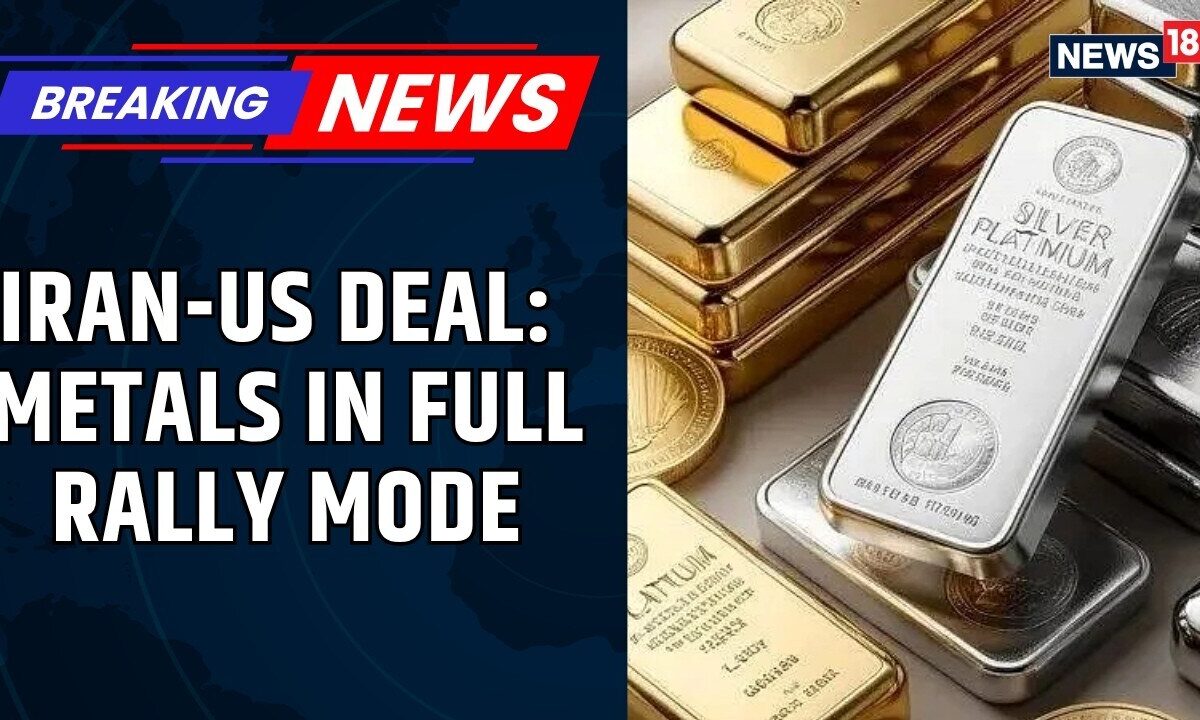
As global markets react to the framework for a historic detente, the precious metal surges while the threat of conflict recedes.
The streets of Beirut erupted in midnight celebrations this week, a stark contrast to the grim tension that has dominated headlines for months. As news broke that a preliminary framework agreement has finally been reached to end the cycle of hostility, the ripple effects were felt instantly across global trading floors. Gold jumped 2% in early morning trade, hitting $4,304.11 an ounce—its highest mark since June—as the easing of geopolitical friction fundamentally reshaped investor sentiment.
This shift in the US-Iran peace deal has triggered a domino effect in the markets. With the immediate threat of a prolonged Iran US war ending, the US dollar has softened, providing the necessary tailwinds for bullion to thrive. For Indian investors watching the MCX, the impact is tangible; gold prices have pushed toward the Rs 1.5 lakh per 10-gram mark, a record high that is prompting many to question whether this rally is sustainable or if a correction is overdue.
The Commodity Correction
Beyond precious metals, the cooling of tensions is expected to provide much-needed relief to global supply chains. A central concern during the height of the conflict was the safety of the Strait of Hormuz. With the deal now in place, reports indicate that grain prices are beginning to slide as shipping routes regain stability, effectively easing inflation fears that had gripped food markets worldwide.
However, investors should temper their expectations regarding energy. While the initial market reaction saw oil prices slip, experts warn that the reopening of the Hormuz route is a logistical marathon, not a sprint. The flow of oil is unlikely to return to pre-conflict levels overnight, meaning that energy markets may remain volatile even as the primary geopolitical risk premium begins to evaporate.
Why It Matters: The Bigger Picture
The significance of this development extends far beyond the immediate fluctuation of tickers. The collective applause from global leaders, including Emmanuel Macron and Keir Starmer, underscores a rare moment of diplomatic alignment. For the global economy, this peace deal acts as a circuit breaker; by weakening the dollar and lowering the "fear premium" on commodities, it provides the US Federal Reserve and other central banks more breathing room to manage interest rate policies without the constant pressure of supply-side inflationary shocks.
Yet, this is a fragile breakthrough. While the diplomatic pathway to peace is open, the history of this region suggests that implementation is often more arduous than the negotiation. Markets are currently pricing in a best-case scenario—an end to the conflict and a restoration of trade. If the framework stalls or if tensions flare again, the current "gold rush" could reverse just as sharply. For now, the world is watching, hoping that these diplomatic strides hold firm against the headwinds of long-standing regional mistrust.
Ananya Iyer covers global affairs with an Indian lens for PoliticalPedia.