Global markets jittery as Israel-Lebanon strikes push oil prices up by more than $2
Oil prices rise more than $2 on Israel strikes on Lebanon
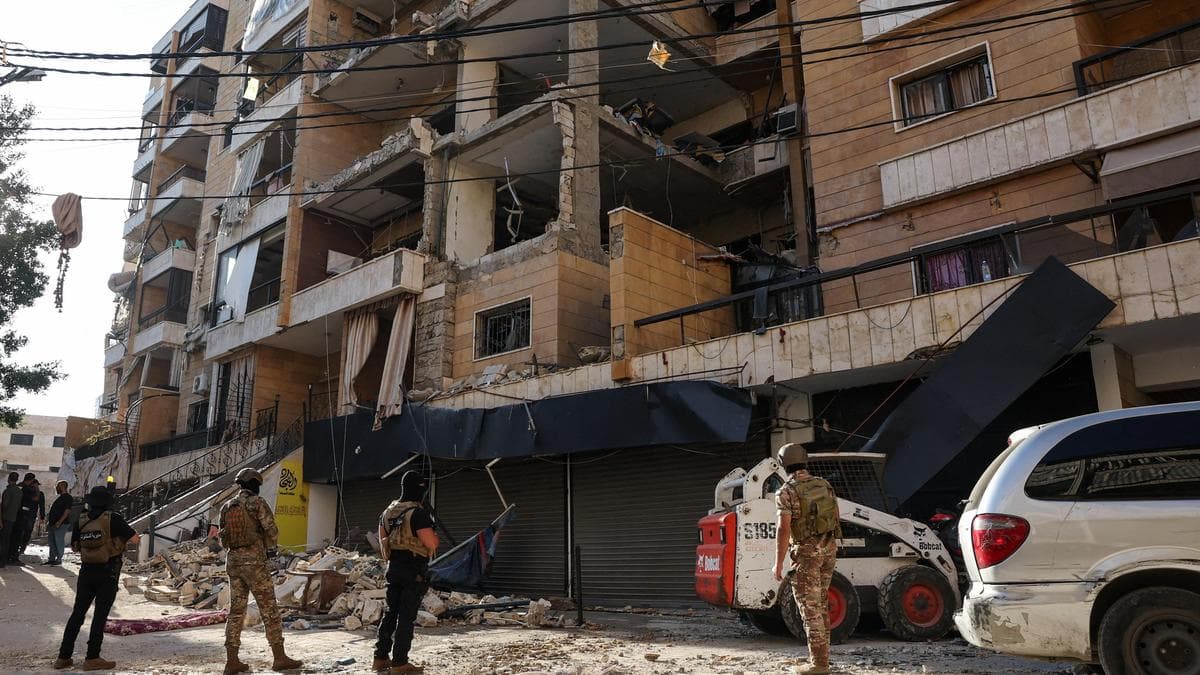
Fresh military escalation in the Middle East has derailed hopes for a lasting ceasefire, triggering a sharp climb in crude oil prices as the Strait of Hormuz remains a critical bottleneck.
Crude oil futures surged early Monday, June 8, as a renewed wave of Israeli strikes on Lebanon shattered the fragile optimism surrounding recent diplomatic efforts. U.S. crude futures jumped $2.10 to reach $92.64 a barrel, while Brent crude climbed $2.33 to settle at $95.42. The market volatility marks a sharp reversal from Friday’s dip, which had been driven by brief, flickering hopes that the U.S.-Iran conflict—simmering since February—might finally be heading toward a de-escalation.
The strikes occurred despite a ceasefire agreement announced on June 3, leaving international observers questioning the viability of any peace process. For the global energy market, the stakes are existential. Iran has repeatedly tied its willingness to discuss a broader peace deal with Washington to a permanent end to hostilities in Lebanon. With those talks now in jeopardy, the primary concern for traders remains the Strait of Hormuz, the narrow but vital artery through which a massive share of the world’s oil and gas flows.
OPEC+ output hike proves toothless
In an attempt to calm the markets, OPEC+ announced its fourth production increase in as many months this past Sunday. However, the move has been met with significant skepticism from energy analysts. Most member nations are currently unable to meet their existing quotas, either due to the logistical nightmare caused by the continued blockade of the Hormuz strait or, in Russia’s case, because of critical infrastructure damage.
As Rystad Energy’s Jorge Leon noted, the physical impact of the OPEC+ decision on the current supply crisis is "close to zero." The production targets are essentially symbolic when the infrastructure required to move that energy to global buyers remains either under threat or physically cut off by the ongoing military standoff.
Why it matters: The shadow of the Strait
The volatility we are witnessing is not merely about specific strikes; it is about the structural fragility of the global energy supply chain. The conflict has moved beyond a localized border dispute into a systemic risk for the world economy. As long as Iran maintains its chokehold on the Strait of Hormuz, the market will remain hyper-sensitive to every drone launch and missile strike in the region.
From an Indian perspective, the situation is particularly concerning. As a major importer of crude, prolonged instability in the Middle East puts immense pressure on our domestic inflation and fiscal balance. The pattern is clear: diplomacy is currently losing to the drumbeat of war, and until the U.S. and Iran find a durable path to reopening the shipping lanes, these price spikes will likely become the new, unstable normal for global energy importers.
National Affairs Desk at PoliticalPedia covers government & policy for an Indian audience in English and Hindi.