From Tirupur to London: India’s Export Hubs Brace for the July 15 Trade Surge
India-UK trade pact sparks rush of export orders ahead of July 15 rollout
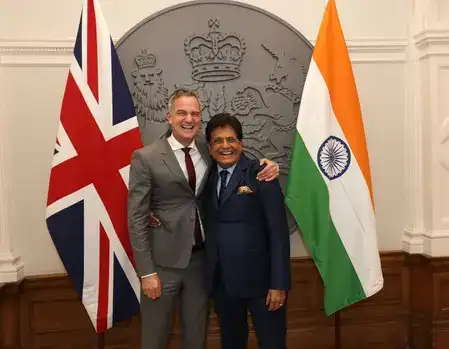
As the CETA deal nears its implementation, Indian manufacturers are rushing to clear consignments, betting big on a tariff-free future.
The floor of a garment factory in Tirupur is rarely this restless. With the clock ticking toward July 15, the date the Comprehensive Economic and Trade Agreement (CETA) officially kicks into gear, the mood is one of calculated urgency. For years, Indian exporters have navigated thin margins; now, as tariff barriers—some as high as 16% on leather and 12% on textiles—are set to vanish, a wave of new orders is finally hitting the books.
The numbers tell a story of pent-up demand. Textile and garment shipments are already tracking 12% higher than this time last year. It is a similar rush in the leather sector, where manufacturers of handbags and footwear are reporting a 20% jump in year-on-year demand. For businesses like the Kolkata-based JC Group, this isn't just about volume; it’s about finally competing on a level playing field with rivals who previously held a price advantage in the UK market.
The Jewellery Bet
The impact isn't limited to high-street fashion. The Gem and Jewellery Export Promotion Council is eyeing a massive windfall, with projections suggesting bilateral trade in the sector could soon touch $7 billion. Consignments worth $6.5 million are already packed and waiting in warehouses, ready to move the moment the trade pact goes live. Industry leaders believe the removal of existing duties will provide the necessary spark to push total sector exports to the UK toward the $2.5 billion mark.
Not every sector is sprinting, however. While toy exporters are seeing a spike in inquiries from British buyers, they remain hamstrung by the fine print of regulatory compliance. For them, the transition is proving more time-consuming than the paperwork-heavy days of the past, proving that a trade deal is only as effective as the infrastructure supporting it.
Why it matters
The economic shift represented by this trade deal is significant because it marks a transition from protectionist caution to aggressive market expansion. For Indian MSMEs, this is the ultimate test of scale. The government’s recent move to track specific consignments ready for the July 15 rollout suggests a desire to ensure that this isn't just a policy win on paper, but a tangible boost to the balance sheets of smaller players.
The bigger picture? This is a strategic pivot. By easing the path for chemicals, pharmaceuticals, and consumer goods, India is betting that it can integrate deeper into global supply chains at a time when the UK is actively diversifying its own import sources. If the logistics hold up, the coming months will likely see a sustained uptick in export volume that goes well beyond the initial post-deal excitement.
Kabir Sharma writes on culture, technology and everyday life for PoliticalPedia.