From the shadow of Fukushima to the pinnacle of chess: The Ethan Vaz story
From 2011 Fukushima nuclear disaster in Japan to GM at 14: The Ethan Vaz story
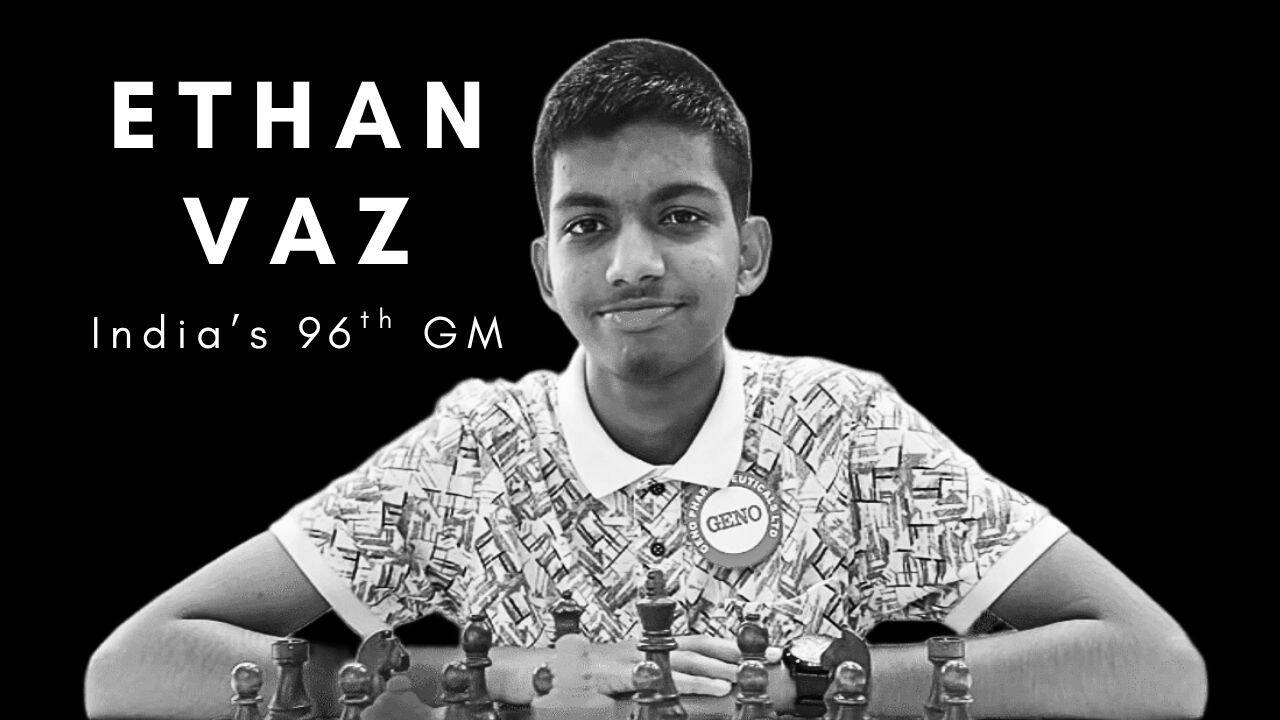
Born amidst the chaos of a historic nuclear crisis in Japan, 14-year-old Ethan Vaz has emerged as India’s 96th Grandmaster, marking a remarkable rise in the world of competitive chess.
The narrative of Ethan Vaz began in March 2011, not in a quiet living room, but under the terrifying shadow of the Fukushima Daiichi nuclear disaster in Japan. His mother, Linda Fernandes, was pregnant with him in Tokyo when the 9.1 magnitude earthquake triggered the catastrophe that would alter millions of lives. Fearing the health risks posed by the radioactive fallout, his father, Edwin Vaz, made the decisive call to relocate the family to Goa. It was a choice rooted in protection, setting the stage for a boy who would go on to master the intellectual rigour of the 64 squares.
A hard-won triumph in Sarajevo
Fast forward to this past Saturday in Sarajevo, Bosnia and Herzegovina. The 14-year-old Ethan Vaz officially crossed the final hurdle, securing his third and final Grandmaster norm at the "Chess Summer in Sarajevo – GM Mix" tournament. For the family, the achievement feels like a blur, a frantic cycle of congratulations and endless messages that have barely allowed them to process the magnitude of the moment.
The path to the title was anything but linear. As Edwin Vaz notes, the journey from reaching the 2500 Elo mark to securing the official GM title is a notoriously difficult grind. Players often spend decades chasing these norms, struggling against the volatility of open tournaments where the pressure to perform against lower-rated opponents is immense. Ethan’s success is a product of this long-haul commitment, a quiet persistence that has defined his approach to the game since he began playing in India.
Why it matters
Ethan’s rise is part of a broader, accelerating trend in Indian sports: the professionalisation of chess at a grassroots level. By becoming India’s 96th Grandmaster at just 14, he joins a cohort of young prodigies who are reshaping the global hierarchy of the sport. His story suggests that the current ecosystem—built on early exposure, rigorous tournament play, and family support—is increasingly capable of turning young talent into world-class performers at record speeds. This is not just a personal victory for the Vaz family; it is a clear indicator that India’s talent pipeline is operating with unprecedented efficiency.
The road ahead
Despite the noise surrounding his new title, Ethan has maintained the understated, calm demeanour that is characteristic of a seasoned strategist. While the world of chess often obsesses over the rapid ascent of youngsters, the reality of maintaining a 2500+ rating is a different challenge entirely. For Ethan, the 2011 Fukushima crisis may have been the start of his story, but his journey as a Grandmaster is only just beginning. As he returns from the tournament circuit in Europe, the focus will inevitably shift to how he sustains this momentum on the global stage.
Rohan Gupta covers the economy, markets and companies for PoliticalPedia.