From the Rose Bowl to the Global Stage: How the 2026 FIFA World Cup is Redefining Soccer in America
How the 1994 FIFA World Cup changed soccer in America and why 2026 could be bigger
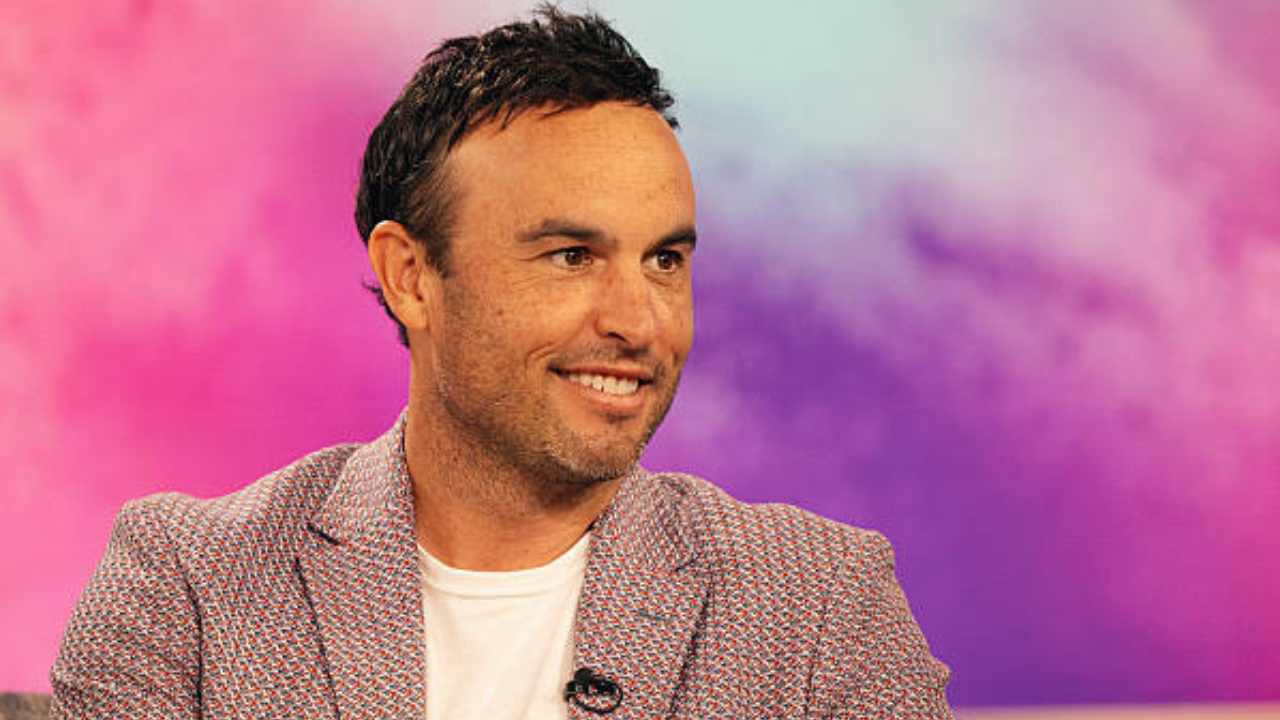
As the United States prepares to host the world once more, the shadow of 1994 looms large, promising a new era for a sport that has finally found its heartbeat in the nation.
The summer of 1994 was a different world for the United States. A young Landon Donovan sat in the stands at the Rose Bowl, watching Argentina face Romania, oblivious to the fact that he was witnessing the genesis of a personal journey that would define American soccer. Back then, the sport was a niche curiosity, a game played in local parks rather than a national obsession. Today, as the 2026 FIFA World Cup kicks off, the landscape has shifted from those humble, early days to a multi-billion-dollar juggernaut that aims to cement soccer’s place in the American sporting pantheon.
The scale of the transformation is staggering. In 1994, ticket prices were a modest affair, accessible to the average fan. Fast forward to the present, and the financial barrier to entry has skyrocketed, with premium packages reaching as high as $10,990. This massive uptick in costs—defended by FIFA leadership—reflects the tournament’s evolution into a high-stakes commercial operation. Yet, the core mission remains the same: capturing the imagination of a new generation.
The Donovan Effect and the New Generation
For legends like Donovan, the 2026 tournament is about more than just infrastructure or revenue. It is about the "Donovan effect"—the belief that seeing stars like Christian Pulisic and Weston McKennie perform on home soil will ignite a fire in millions of children. While the debate continues on whether Pulisic will eventually eclipse the veterans who came before him, the current squad carries the weight of a nation that no longer views soccer as an imported novelty, but as a legitimate career path.
The tournament’s expansion is unavoidable. Unlike the 1994 edition, this year’s event is a sprawling logistical challenge spread across the United States, Canada, and Mexico. Critics and analysts alike are weighing the environmental impact and the sheer scale of the event against its potential to finally "convert" the last holdouts of the American sports market. With climate change now a critical variable in how these matches are managed, the tournament is navigating complexities that were barely on the radar three decades ago.
Why it matters: The Bigger Picture
This is not merely a sporting event; it is a profound cultural experiment in nation-building through athletics. When a host nation puts its prestige on the line, the ripple effects are felt in youth participation rates, media broadcasting rights, and the professionalization of local leagues. The 1994 tournament provided the spark—the "USA94" moment—but 2026 is intended to be the fuel. The challenge for the United States is to prove that it can sustain this momentum long after the final whistle, moving past the fleeting excitement of a host nation and into a permanent status as a global soccer powerhouse.
While global trends in other sports, such as the rise of ಟ್ವೆಂಟಿ೨೦ cricket, command massive, rapid-fire engagement, the FIFA World Cup relies on a slower, deeper burn. By hosting this tournament, the U.S. is betting that the "beautiful game" can achieve the same level of cultural ubiquity. Whether it succeeds will depend not on the ticket prices or the stadiums, but on whether a child in the stands today feels the same electric shift that Landon Donovan felt at the Rose Bowl thirty-two years ago.
Arjun Mehta reports on government, policy and Parliament for PoliticalPedia, in English and Hindi.