From Tenant to Accused: A 1,400km Journey Behind a DU Professor’s Murder
‘Travelled 1,400km in train’: Kolkata couple, 13-yr old son arrested in DU professor murder case
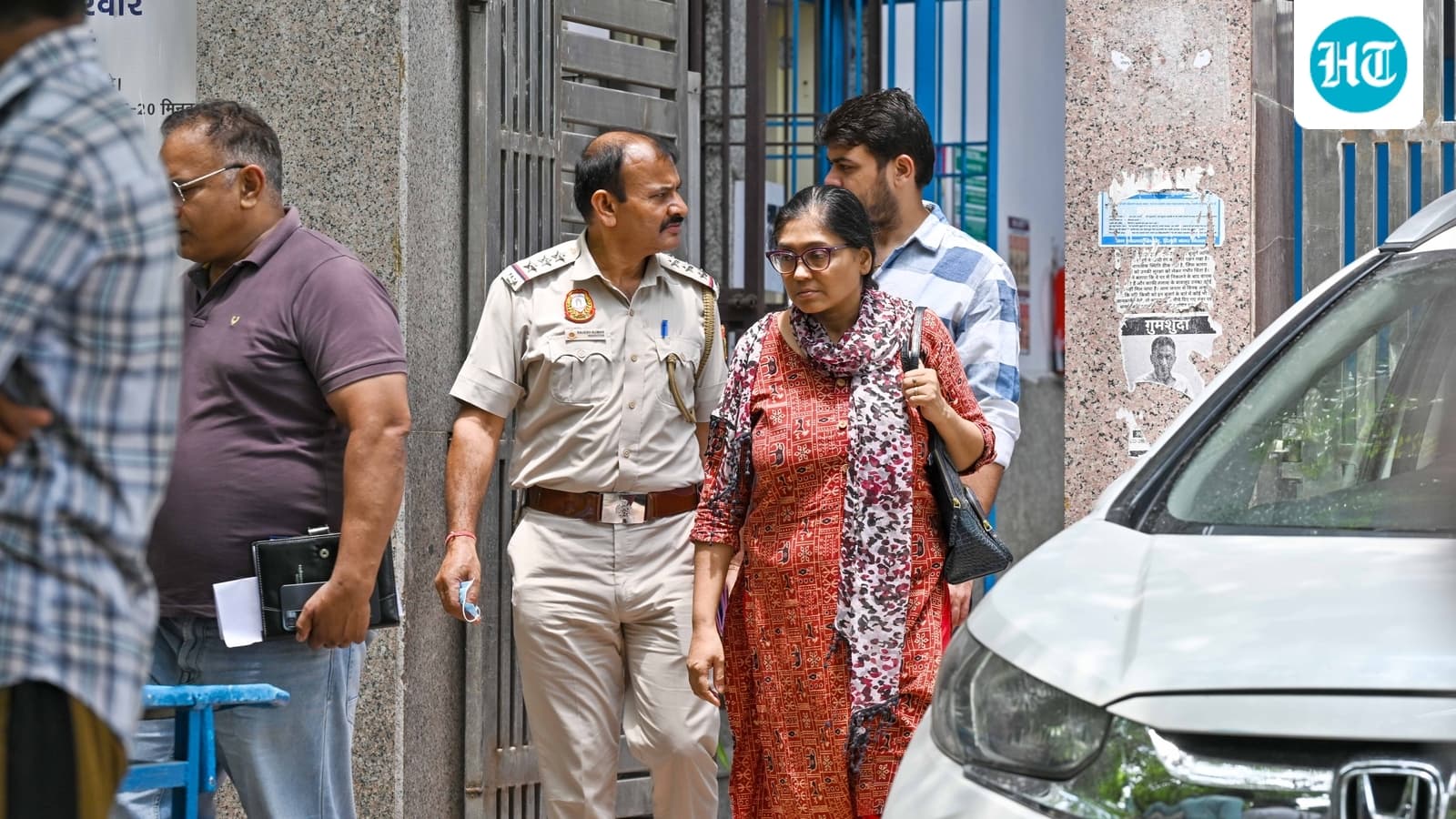
A property dispute over an ancestral home in West Bengal turned lethal, leading police to arrest a couple and their teenage son for the killing of a Delhi University academic.
The quiet corridors of a Vasundhara Enclave high-rise were shattered on June 4 when the body of a 45-year-old assistant professor was discovered in her sixth-floor flat. She had been dead for roughly 24 hours, her home locked from the outside. What initially appeared as a tragic, isolated incident in the national capital has now been revealed as a calculated, long-distance conspiracy that saw a family of three trek 1,400km by train from West Bengal to Delhi with the express intent to kill.
On Sunday morning, Delhi Police confirmed the arrests of a couple from Bardhaman and the apprehension of their 13-year-old son. The suspects were tracked back to their home state, where they had retreated following the brutal assault. According to investigators, the victim suffered severe head and facial injuries, and her wrists were slit—a scene that bore the hallmarks of a premeditated attack.
The Roots of the Conflict
The motive for the crime, as established by the police, traces back to a rental agreement gone sour. In 2023, the professor had rented out her ancestral home in Bardhaman to the accused family for a monthly sum of ₹10,000. While the arrangement was initially routine, the dynamic soured when the professor, who had inherited the property from her grandmother, refused to sell it.
"The couple offered to buy the house, but the professor refused," said Deputy Commissioner of Police (east) Rajiv Kumar. The situation escalated when the tenants claimed they had spent ₹1.5 lakh on renovations and demanded compensation, refusing to vacate the premises. The professor’s firm refusal to sell her ancestral heritage served as the final trigger for the conspiracy.
Legal Hurdles for the Minor
As the investigation unfolds, the legal process faces a delicate challenge regarding the 13-year-old son. While the parents are being produced before a city court, the minor must be handled through the Juvenile Justice Board (JJB). Delhi Police have stated they will formally request the board’s permission to bring the boy to Delhi for interrogation. Should that request be denied, they are prepared to seek his detention in a local correctional facility in West Bengal.
Why It Matters
This case highlights a growing, grim pattern in urban property disputes where personal emotional attachments—like the preservation of an ancestral home—clash violently with the aggressive demands of tenants. It also raises disturbing questions about the involvement of minors in premeditated capital crimes. Beyond the immediate tragedy, this incident serves as a stark reminder of the risks inherent in long-distance property management, where the lack of local oversight often leaves landlords vulnerable to predatory tenants. For the academic community and the residents of Vasundhara Enclave, the murder serves as a chilling reminder that professional success and personal assets can sometimes make individuals targets for those living in their shadow.
National Affairs Desk at PoliticalPedia covers government & policy for an Indian audience in English and Hindi.