From Parliament to paranoia: Sukhendu Sekhar Ray’s chilling exit from TMC
'Could have been murdered by contract killers if ...': Ex-TMC MP Sukhendu Sekhar Ray's big claim after quitting Mamata's party
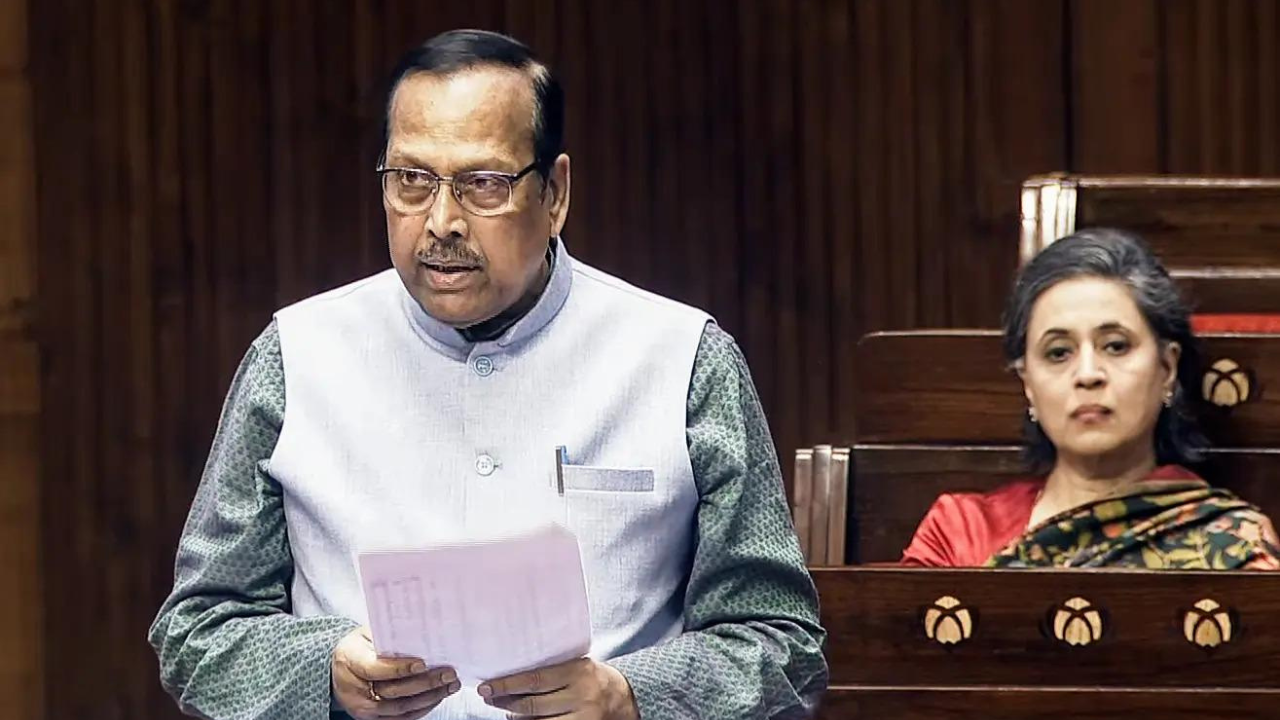
The veteran leader has leveled explosive allegations of contract killers and internal threats following his departure from the Mamata-led camp.
The corridors of West Bengal politics are echoing with a fresh round of bitterness following the exit of Sukhendu Sekhar Ray from the Trinamool Congress (TMC). In a dramatic departure from the party line, the former TMC MP has claimed he could have been murdered by contract killers had he remained within the fold. His statement has sent shockwaves through the political establishment, turning the spotlight on the intensifying internal fissures within the ruling party.
The exit of the senior leader is not an isolated event but rather the latest symptom of a deepening rift. The Mamata Banerjee-led camp has been quick to retaliate, dismissing the departing figures as "traitors" and adopting a defiant stance. Kakoli Ghosh, a prominent voice within the party, has publicly asserted that the TMC "jhukega nahi" (will not bow down), signaling that the leadership is prepared for a protracted internal battle rather than seeking reconciliation.
The shadow of suspicion
For a veteran who has long been a fixture in the party's parliamentary strategy, these claims are startling. When an ex-TMC figure like Sukhendu Sekhar Ray speaks of life-threatening risks—specifically suggesting he might have been targeted by hired hands—it elevates the standard political fallout to a matter of personal security. While these remain one-sided allegations, they underscore the high-stakes, often volatile nature of political loyalty in West Bengal, where the line between party discipline and survival has become increasingly blurred.
The timing of this fallout is particularly sensitive for the Mamata Banerjee government. As the party grapples with the optics of high-profile departures, it is simultaneously managing other critical fronts, including the recent decision to rejoin the Ayushman Bharat health insurance scheme. The shift in health policy is expected to provide coverage to six crore people, a move clearly aimed at stabilizing public sentiment. However, the internal turmoil suggests that the party’s administrative focus is being constantly diverted by the ongoing management of its own disgruntled ranks.
Why it matters
This episode is a microcosm of the "us versus them" culture that currently dominates state politics. The bigger picture suggests that the TMC is moving toward a more centralized, defensive posture. By branding dissenters as traitors, the leadership is attempting to fortify its base, but this approach risks alienating experienced voices who feel sidelined. When party veterans publicly fear physical harm, it points to a breakdown in internal mechanisms for conflict resolution. If the party continues to prioritize loyalty over dialogue, it may find itself increasingly isolated as more leaders seek an exit strategy to escape the escalating pressures of life under the TMC banner.
Arjun Mehta reports on government, policy and Parliament for PoliticalPedia, in English and Hindi.