From Nehru to Modi: Tracking the Arc of a Transforming Nation
Then Vs Now: India’s Incredible Growth From Nehru To Modi
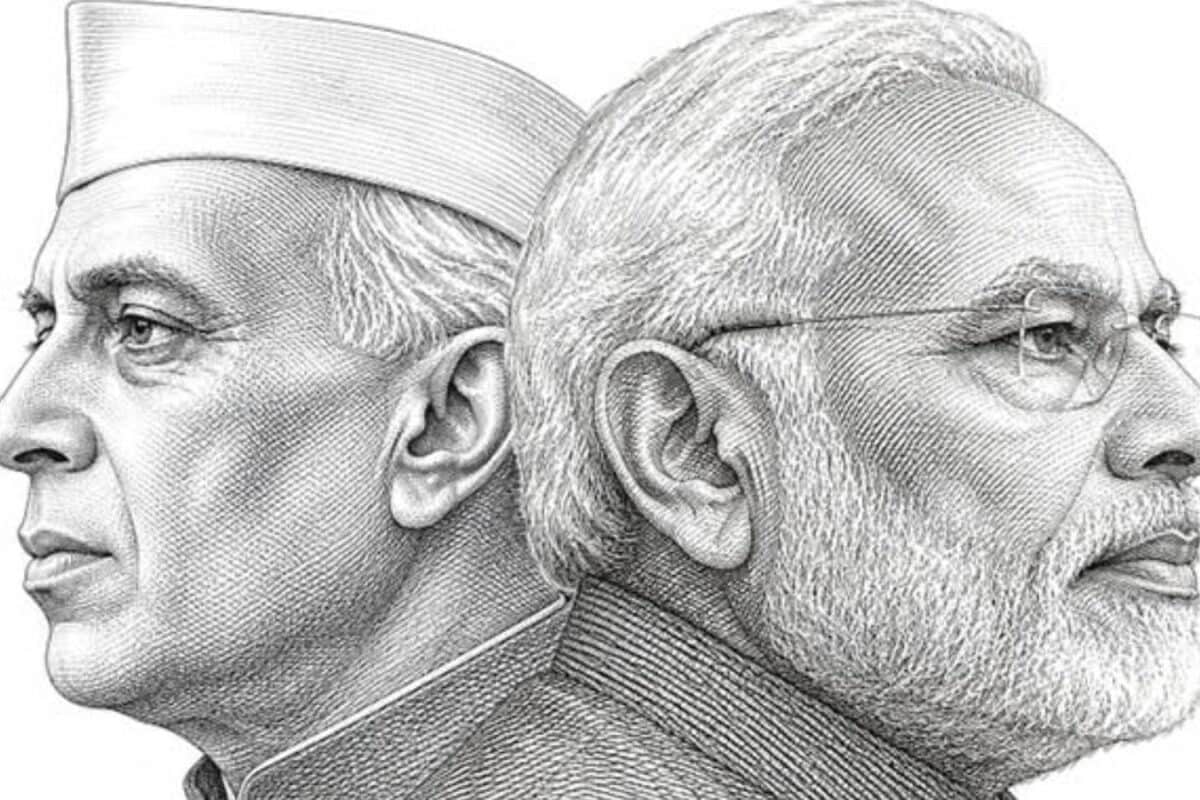
As Narendra Modi hits a historic milestone in office, we look at the shifting scales of governance, diplomacy, and demography since the dawn of Independence.
On June 10, 2026, the political landscape of India marks a significant milestone: Narendra Modi completes 4,399 consecutive days as Prime Minister. This tenure, which eclipses records held since the early days of the Republic, provides a natural vantage point to assess the incredible growth from Nehru to Modi. Over nearly eight decades, the country has evolved from a nascent democracy finding its feet to a global heavyweight, with the sheer scale of its governance and ambition expanding at an unprecedented pace.
The Changing Metrics of a Nation
The numbers tell a story of staggering transformation. In 1947, the country was home to 34 crore people; today, that figure has surged to over 146 crore. This population growth has fundamentally altered the mechanics of Indian democracy. In the first General Election, citizens cast their ballots for representatives from just 53 parties. By 2024, that field had ballooned to 744 parties, mirroring a society that is increasingly diverse and fiercely competitive. The electorate itself has grown from 17 crore eligible voters to nearly 98 crore, making India’s electoral exercise the largest and arguably the most complex in the world.
Economic and Diplomatic Footprint
Economic indicators reflect this shift in scale. From the constraints of a newly independent nation, the economy has matured into one of the largest in the world, now valued at over ₹357 lakh crore. Growth rates have nearly doubled over the decades, positioning India as a vital engine of the global economy. This domestic momentum has been matched by a pivot in foreign policy. While Jawaharlal Nehru navigated the early challenges of international recognition with three foreign visits in his first term, the modern era has seen a hyper-active approach to statecraft, with over 190 diplomatic visits by Narendra Modi. The result is a more assertive global voice, bolstered by deeper partnerships and a sprawling network of institutional infrastructure, from the early IITs and IIMs to today’s expansive educational landscape.
Why it Matters: The Bigger Picture
This evolution—then vs now—is about more than just the passage of time. It represents a transition from a post-colonial state focused on internal consolidation to a contemporary power grappling with the complexities of the 21st century. The pattern here is one of institutional hardening; as the economy grew, so did the need for a more robust, vocal, and, at times, contentious democratic process. Whether it is the debate over the abrogation of Article 370, the expansion of space ambitions, or the push toward a developed economy by 2047, the country is clearly in a phase of systemic recalibration. The challenge for the future remains how to balance this massive, complex growth with the foundational democratic ideals that defined the nation at its birth.
Politics Desk at PoliticalPedia covers parties & elections for an Indian audience in English and Hindi.