From Infrastructure to Digital Trust: PM Modi Pushes for Speed in Governance
PM Modi reviews four major projects worth Rs 30,000 crore, calls for timely completion under PM Gati Shakti framework
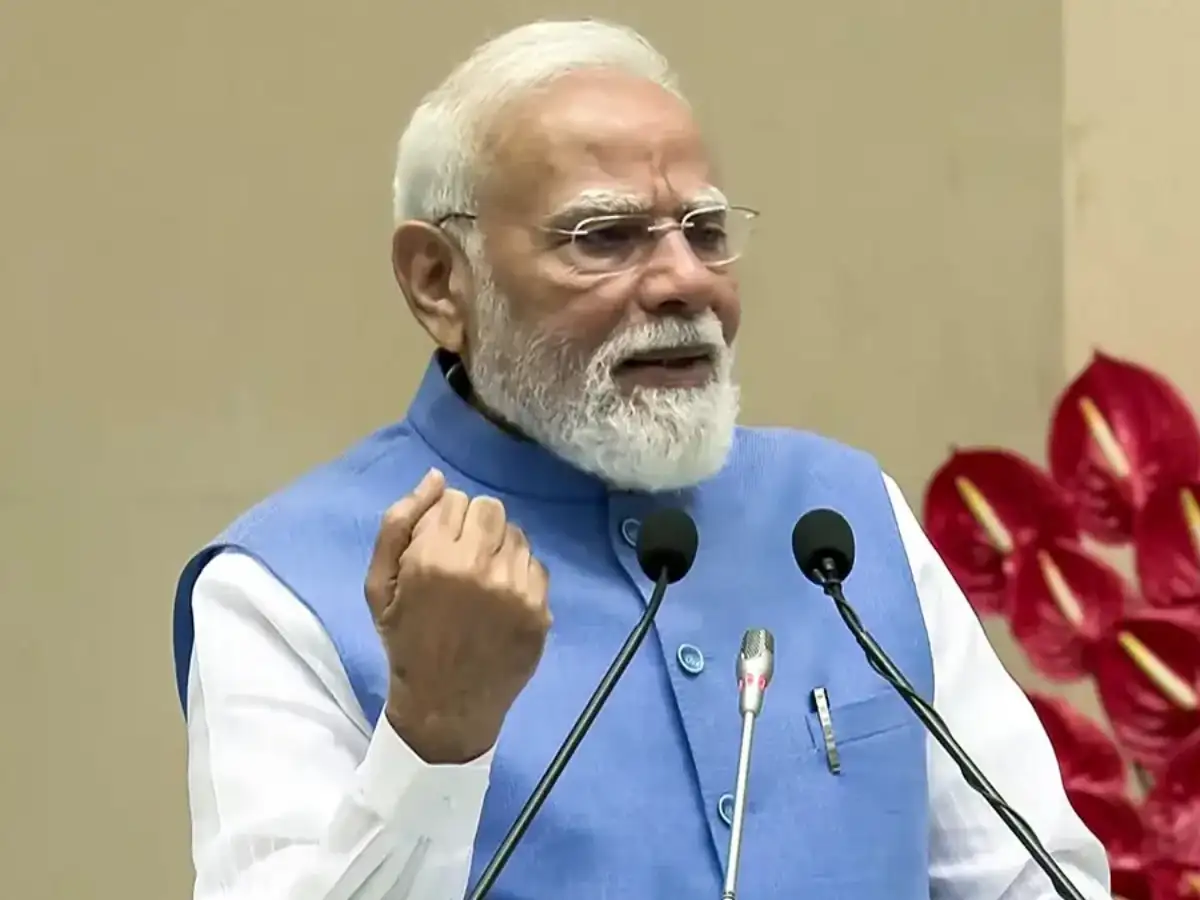
The Prime Minister has called for a mission-mode approach to complete ₹30,000 crore worth of projects, even as his administration pivots to tackle the growing menace of digital arrests.
Infrastructure projects in India often carry a reputation for getting lost in the labyrinth of bureaucratic clearances. This week, PM Modi sought to break that cycle by reviewing four critical infrastructure projects across the road, power, industrial corridor, and metro rail sectors. With a cumulative value of ₹30,000 crore spanning four states, the message from the top was clear: delays aren't just logistical failures—they are financial burdens that inflate costs and deny the public the benefits of development.
The Gati Shakti Mandate
Central to this push is the PM Gati Shakti National Master Plan. It isn’t just a digital portal; the government views it as the backbone of future planning. The Prime Minister emphasised that for this platform to be effective, it must be a living, breathing map of ground realities. He directed ministries and state governments to ensure that utility layers, field-level clearances, and project updates are logged in real-time. The goal is to identify bottlenecks before they turn into stalled construction sites, forcing inter-agency coordination that was previously missing.
Tackling Digital Frontiers
Beyond physical construction, the meeting pivoted to the invisible, fast-growing threat of cybercrime. With the rise of "digital arrests" and sophisticated online fraud, the government is moving away from a siloed approach. The administration is now pushing for a more sensitive, time-bound response system, ensuring that citizens don't have to navigate a maze of departments to report financial crimes. Better coordination between law enforcement, banks, and the necessary regulatory agencies has been flagged as a non-negotiable requirement to protect the digital economy.
Why it matters
The broader strategy here is about shifting the state’s role from a slow-moving provider to a data-driven facilitator. By leveraging tools like AI for the TB Mukt Bharat Abhiyan and integrating youth volunteers for community follow-ups, the government is signalling that it expects a higher degree of responsiveness across all sectors. This isn't just about finishing roads or metro lines; it is about building a digital and physical infrastructure that is resilient enough to handle both industrial progress and the modern, rapid-fire nature of cyber-attacks. If the economic momentum is to be sustained, the ability to resolve inter-agency friction will be the true test of this governance model.
Kabir Sharma writes on culture, technology and everyday life for PoliticalPedia.