From Frying Pans to Dustbins: Why the Cockroach Will Never Be an Election Symbol
Can a political party have the cockroach as its election symbol? What EC rules say
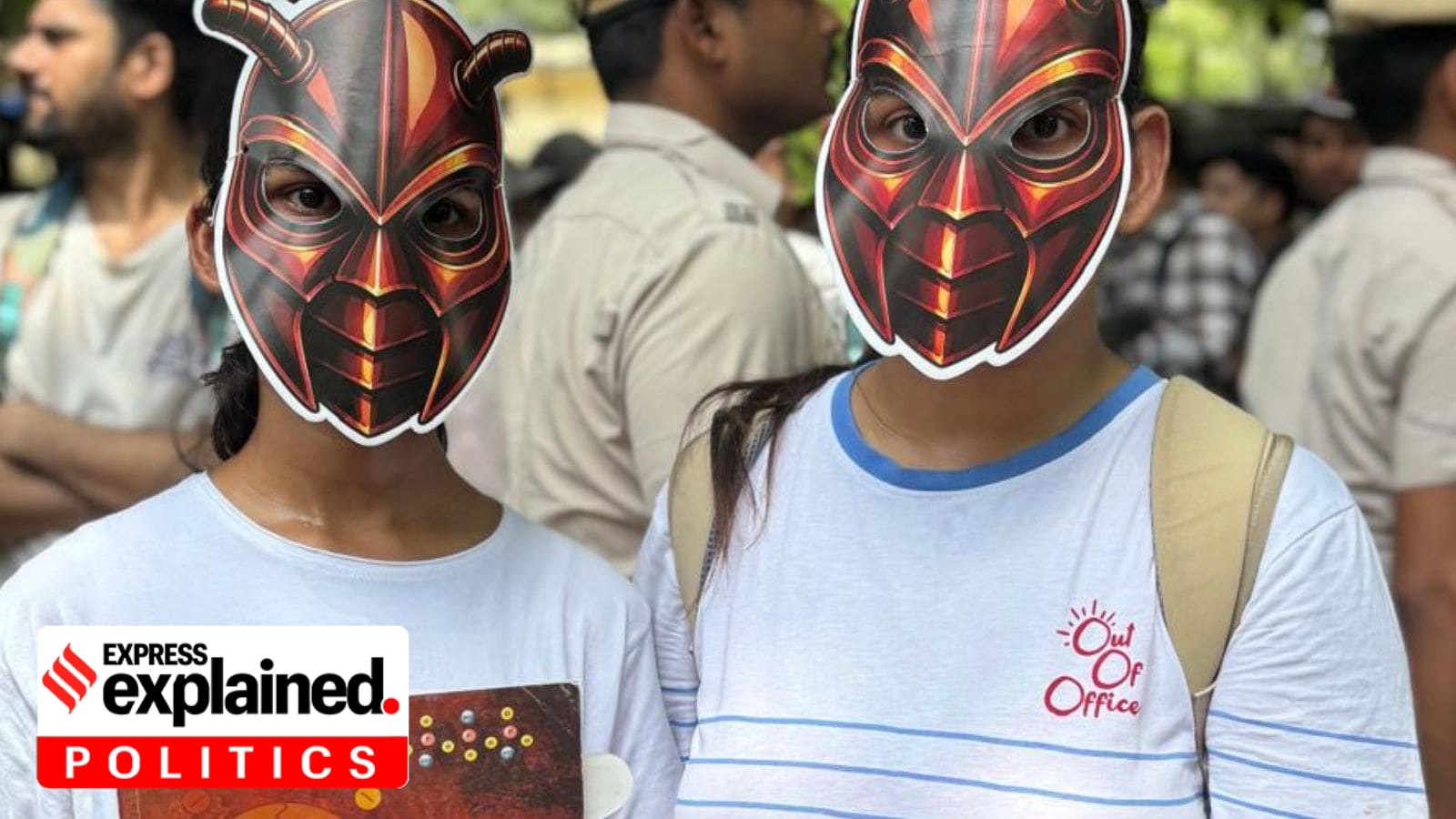
As satire meets the rigid bureaucracy of the Election Commission, we look at why the ‘Cockroach Janta Party’ faces an uphill battle to secure its namesake icon.
The idea of a ‘Cockroach Janta Party’ (CJP) has become the latest flashpoint for political satire in India, capturing the imagination of a frustrated youth demographic. Born from scathing judicial commentary, the movement has now hit the cold, unyielding wall of the Election Commission of India (ECI). While the imagery of a cockroach might perfectly capture the protest spirit of those disillusioned with the status quo, getting the ECI to sign off on such a symbol is not just difficult—it is effectively impossible under current regulations.
The Rules of the Game
When a new political outfit emerges, it doesn't get to pick a logo with the creative freedom of a startup brand. The Election Symbols (Reservation and Allotment) Order, 1968, governs everything. Established national and state parties are locked into their iconic symbols—the lotus, the hand, or the elephant—but for the rest, it’s a lottery. Unrecognised parties and independent candidates must pick from a "free symbols" list, a rotating catalogue that the ECI updates periodically. As of May 2025, the list is a bizarre mix of 184 mundane objects: think air-conditioners, frying pans, dustbins, and even cake.
Why Animal Symbols Are Off the Table
If you are wondering if the CJP can push for a cockroach, the answer is a hard no. The ECI stopped allotting animals as symbols back in the 1990s, and the credit—or blame—goes to the dark reality of Indian electioneering. Activist Maneka Gandhi famously campaigned for this ban after the 1989 Tamil Nadu polls, where live roosters were tied to speeding campaign vehicles, leading to widespread animal cruelty. Since then, the Commission has scrubbed all living creatures from the list to prevent the exploitation of animals for political messaging.
The Bigger Picture
This entire episode highlights a growing friction between institutional formality and the rise of protest politics. When citizens use irony to register their anger, they often find that the rules of the game are designed to discourage such unconventional entries. Whether it is the demand for a common symbol in state polls or the legal challenges surrounding election conduct, the ECI remains a strictly non-participatory arbiter of aesthetics. For a party like the CJP, the symbol isn't just a mark on a ballot; it’s the primary vehicle for their messaging. But in the eyes of the law, a cockroach is a non-starter—too provocative, perhaps, and definitely not on the list.
Why it Matters
The obsession with symbols in Indian democracy isn't just about branding; it’s about accessibility. In a country with varying levels of literacy, a recognizable, simple icon is a bridge between the voter and the candidate. However, the current "free symbols" list, while practical, often strips the electoral process of its nuance, reducing political identity to a choice between a toothbrush and a TV remote. As more groups use parody to highlight systemic issues, the rigidity of these rules—and the ECI’s role as their guardian—will continue to be tested by those who feel the current system no longer represents their voice.
Kabir Sharma writes on culture, technology and everyday life for PoliticalPedia.