From Courtrooms to Compliance: Centre Replaces Criminal Penalties for Minor Hospital Lapses
Centre replaces criminal fines with administrative penalties for minor hospital lapses
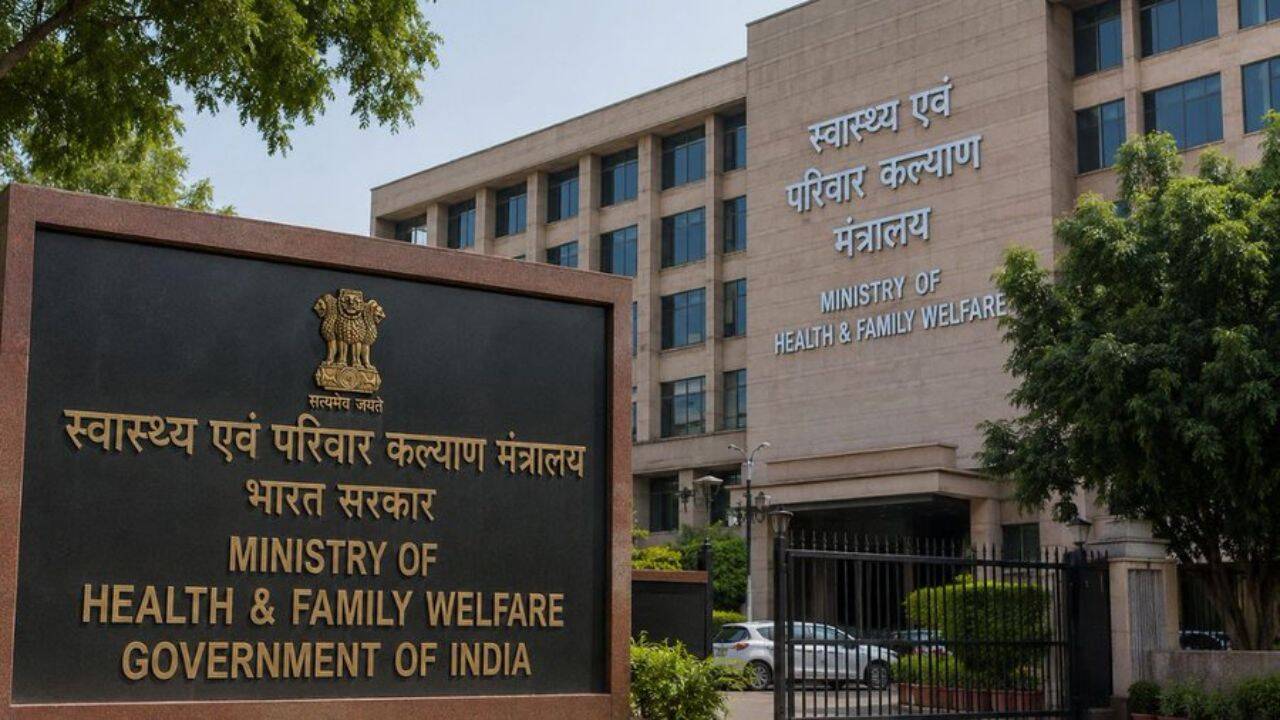
The Health Ministry’s latest notification marks a significant shift toward trust-based regulation, swapping jail threats for graded fines in minor clinical errors.
For years, the shadow of criminal prosecution has loomed over clinic owners for even the most trivial procedural slip-ups. Whether it was a minor delay in paperwork or a routine documentation error during a minor procedure like mole removal or abscess drainage, the threat of a legal case under the Clinical Establishments (Registration and Regulation) Act, 2010, kept many in the sector on edge. That is changing now.
The Union health ministry has finally notified amendments to the Act, effectively pivoting away from punitive criminal measures for minor lapses. Under the new framework, these will now attract administrative penalties. This move, which comes under the broader umbrella of the Jan Vishwas (Amendment of Provisions) Act, 2026, aims to unclog the judicial pipeline and foster a climate of "ease of doing business" within the healthcare ecosystem.
Shifting the Regulatory Burden
The notification, dated June 22, specifically targets routine, low-risk procedures. Whether it is wound stitching or minor reconstructive work on the nose or ears, the centre is signaling that if a mistake doesn't pose an immediate risk to a patient’s life, it shouldn't necessarily land a practitioner in a criminal court.
By replacing the term "fine" with "penalty" across Sections 40, 43, and 46, the ministry has shifted the enforcement mechanism from criminal litigation to administrative adjudication. Section 44 also introduces a new, graded penalty system for companies, where the financial weight of the punishment will be directly proportional to the severity of the violation rather than a blanket criminal charge.
The Bigger Picture: Why it Matters
This is not an isolated policy shift; it is a calculated push to change how the state interacts with private service providers. The "Jan Vishwas" philosophy is essentially a recognition that when the law is too heavy-handed for minor mistakes, it breeds corruption and creates a culture of fear rather than a culture of safety. By decriminalising these health laws, the government is hoping to keep minor errors out of the courts, allowing judicial bandwidth to be reserved for genuine negligence or criminal misconduct.
However, the real test will be in the implementation. Strengthening the adjudicating authority mechanism under Section 41 is a good start, but the medical community will be watching closely to see how these "graded penalties" are calculated. If the administrative process becomes as cumbersome as the court process it replaces, the reform may lose its teeth. For now, it’s a welcome recalibration—a shift from treating healthcare providers as potential criminals to treating them as stakeholders in a regulated, professional environment.
Priya Nair covers parties, elections and the business of power for PoliticalPedia.