From Buergenstock to the Strait: What the Iran-US Talks Mean for Global Stability
First round of Iran-US talks in Switzerland: 5 key outcomes include Hormuz, Lebanon
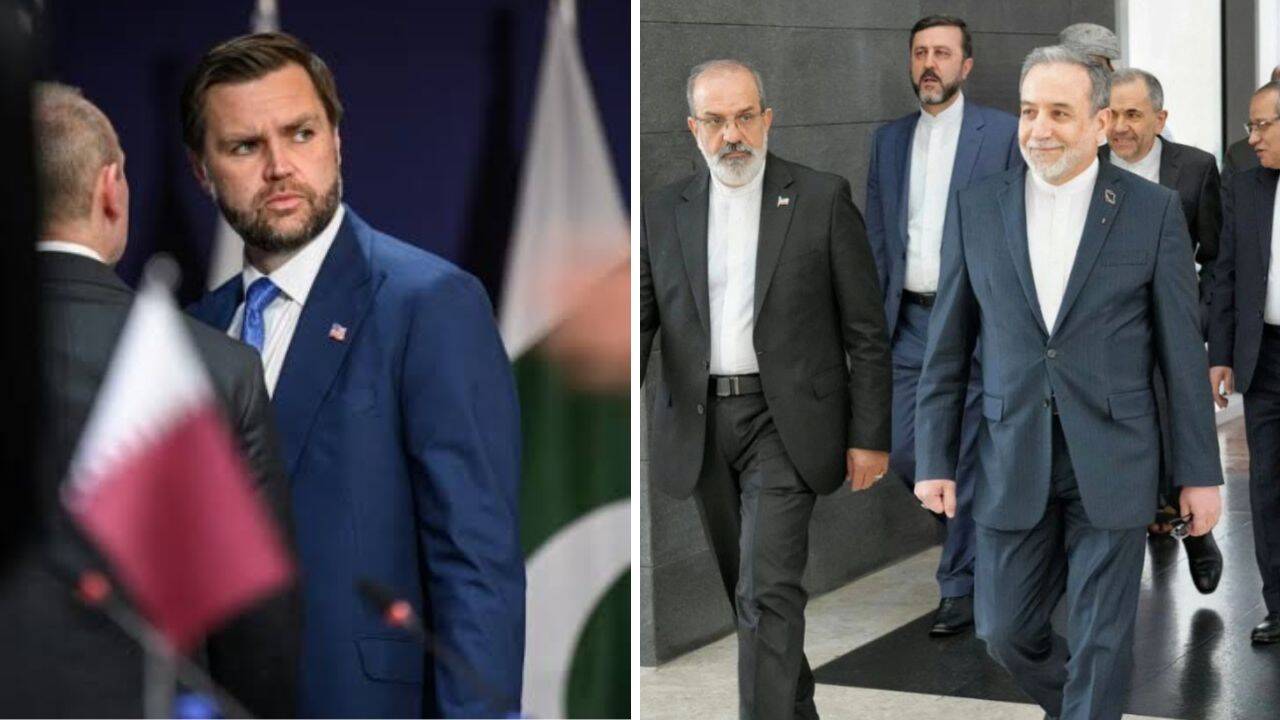
As high-level delegations conclude their first round of talks in Switzerland, a fragile 60-day roadmap emerges to address the crises in Lebanon and the Strait of Hormuz.
The luxury resort of Buergenstock, perched high above Lake Lucerne, felt a world away from the volatile waters of the Middle East this week. Yet, it was here that Iranian Foreign Minister Abbas Araghchi and a U.S. delegation led by Vice President JD Vance sought to pull a region back from the brink. Following an opening marked by the Iranian military’s renewed closure of the Strait of Hormuz and sharp rhetoric from President Donald Trump, the first round of these high-stakes negotiations has concluded with a tentative, if fragile, framework for peace.
The most concrete takeaway is a 60-day roadmap aimed at securing a final deal, overseen by a newly established High-Level Committee. While the U.S. government has maintained a tactical silence, official Iranian accounts paint a picture of significant movement. Araghchi has claimed that the talks secured waivers for petrochemical exports, the release of frozen assets, and the initiation of a major reconstruction plan. For now, the immediate priority remains the "de-confliction cell"—a joint mechanism involving Iran, the U.S., and Lebanon designed to ensure that the ceasefire in the Levant actually holds.
A Diplomatic Balancing Act
The atmosphere in Switzerland was anything but relaxed. Behind the scenes, mediators from Pakistan and Qatar worked to bridge a deep chasm. Pakistan’s Prime Minister Shehbaz Sharif has been vocal in his praise for the dignity shown by the Iranian delegation, a nod to the intense pressure Tehran is under. The move to establish a direct communication line regarding the Strait of Hormuz is a direct response to the economic panic caused by recent closures, which threatened to trigger a global oil supply shock.
However, the path forward is paved with hurdles. Israel, notably absent from these discussions, has signaled its rejection of the framework, and the military reality on the ground in Lebanon remains volatile. For the negotiators, the "first real test" will be whether this de-confliction cell can prevent small-scale skirmishes from spiraling into a wider regional conflagration.
Why it matters: The bigger picture
This is a classic exercise in crisis management. The 60-day timeline suggests that Washington and Tehran are prioritizing immediate "off-ramps" over resolving the long-standing, structural animosity that defines their relationship. By decoupling the urgent need to keep oil flowing through Hormuz and stopping the fighting in Lebanon from the much thornier, unresolved issues of Iran’s nuclear program, the parties are buying time.
The pattern here is clear: both sides have realized that the cost of an all-out regional war currently outweighs the political capital required to sit at the table. If this roadmap holds, it signals a shift toward institutionalized dialogue, replacing erratic, ad-hoc escalations with a structured, albeit cautious, diplomatic track. The success of this process depends entirely on whether domestic hawks in both Tehran and Washington can be kept in check while the technical working groups do the heavy lifting in the coming weeks.
Priya Nair covers parties, elections and the business of power for PoliticalPedia.