FIFA’s VAR glitch sparks ‘dictatorship’ row in Switzerland-Qatar stalemate
'Technical outage': FIFA breaks silence on controversial VAR call in Swiss-Qatar draw
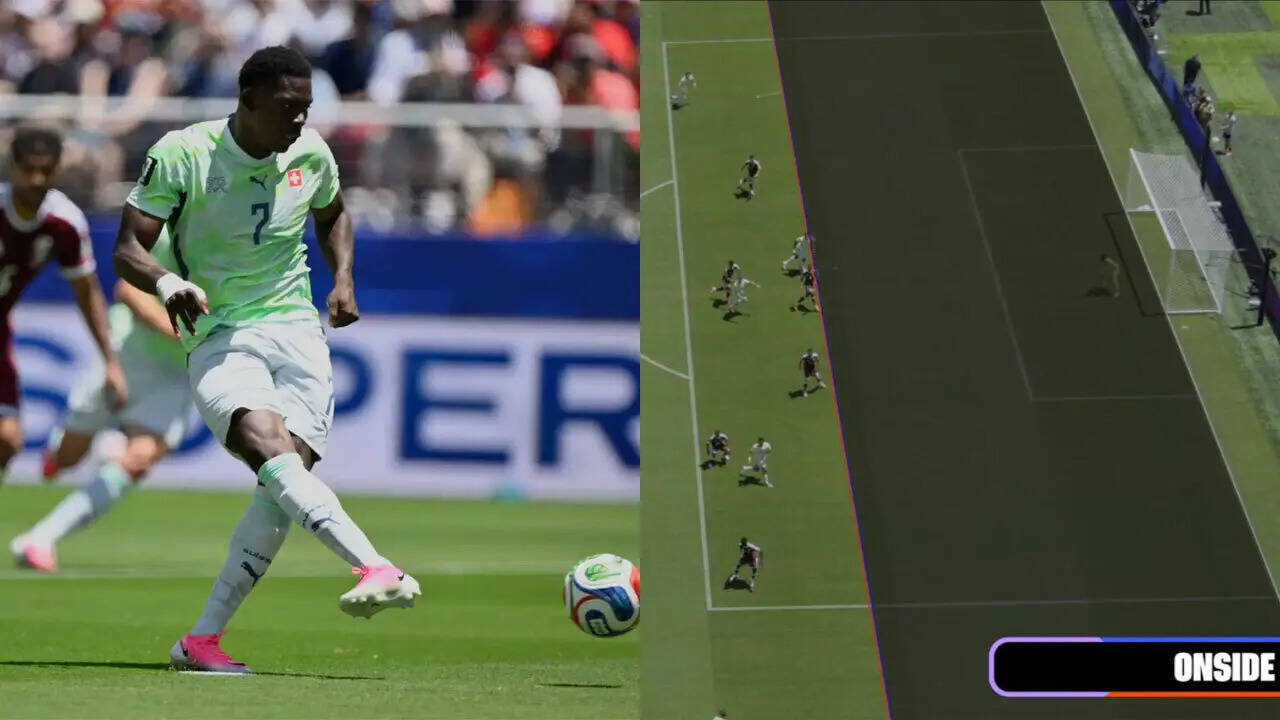
An unexplained technical outage during the World Cup clash has reignited global scrutiny over FIFA’s opaque officiating process.
The roar of the crowd at Levi’s Stadium was quickly replaced by a deafening silence from the broadcast screens. During the 14th minute of the Switzerland vs Qatar match, a collision between Qatari goalkeeper Mahmoud Abunada and Swiss forward Remo Freuler prompted an immediate penalty. While Breel Embolo stepped up to coolly convert the spot-kick, the millions watching at home were left staring at a blank void where the standard semi-automated offside graphic should have been.
The silence from the booth
The absence of the usual visual proof—the lines and skeletal animations that have become a staple of modern football—did more than just confuse viewers; it sparked a firestorm of speculation. Broadcasters were left scrambling as the game continued, with fans across social media questioning whether Freuler had been offside in the build-up. For a sport that prides itself on precision, the lack of transparency in that critical moment felt like a regression.
FIFA finally broke its silence, citing a brief technical outage that prevented the animation from being generated. In an official statement, the governing body maintained that the VAR workflow remained intact behind the scenes. They insisted the decision was checked using standard procedures and that the internal lines did not show the Swiss attacker in an offside position. However, for a sport that relies heavily on digital trust, the explanation came far too late to soothe the frustration of the masses.
Neville’s blistering critique
Former England defender Gary Neville did not mince his words when reacting to the incident on air. Comparing FIFA’s handling of the evidence to a "dictatorship," Neville voiced the sentiments of many who feel that the governing body holds too much power over the information shared with the public. He argued that if they have the technology to clear up a controversial penalty call, they have a responsibility to show it to the supporters immediately. By keeping the evidence internal, FIFA has inadvertently handed ammunition to critics who already feel the game is drifting away from the fans.
Why it matters
This incident highlights a growing disconnect in the digital age of football. While leagues worldwide have embraced technology to eliminate human error, the "black box" approach adopted by FIFA during this Swiss-Qatar clash proves that high-tech solutions are only as good as the transparency surrounding them. When governing bodies choose to shield their officiating processes from public view, they invite suspicion. The bigger picture suggests that unless FIFA adopts a more open-source approach to broadcasting its VAR checks in real-time, these outbursts of public anger will only become more frequent, threatening the credibility of the sport’s most prestigious tournament.
Ananya Iyer covers global affairs with an Indian lens for PoliticalPedia.