FIFA World Cup 2026: The High-Stakes Calculus Behind the Round of 32
FIFA World Cup 2026 Points Table Round 3: Latest group standings, key results, qualification update
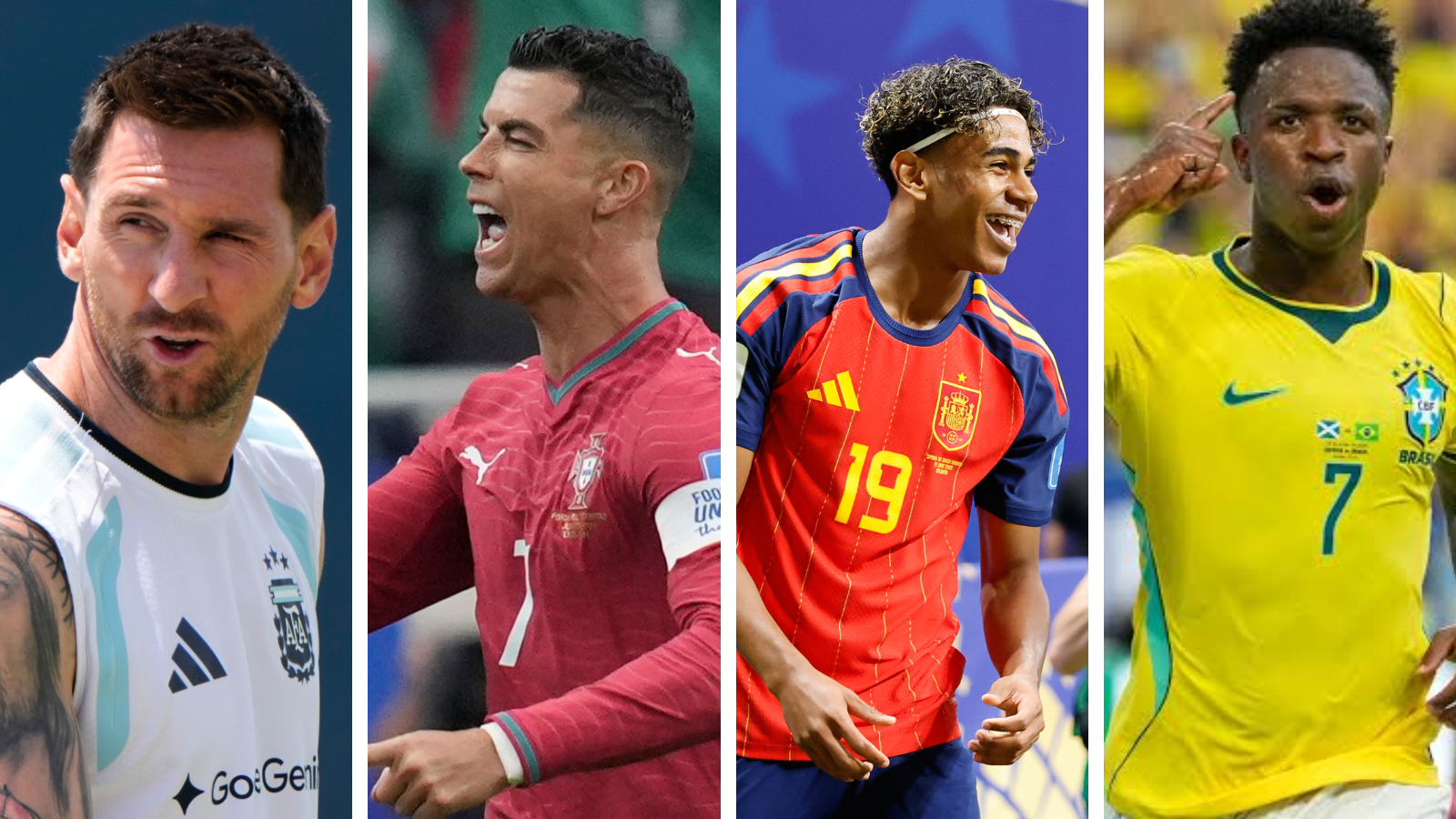
As the group stage reaches a fever pitch, heavyweights secure their spots while the race for the final knockout berths intensifies across the 48-team field.
The FIFA World Cup 2026 is hurtling toward a chaotic, high-stakes conclusion this weekend. With the expansion to a 48-team format, the group stage has morphed into a complex mathematical puzzle. While global titans like Argentina, Brazil, and Germany have already stamped their passports for the Round of 32, the final standings in several groups remain tantalizingly fluid. As the latest points table round confirms, the margins for error have vanished, leaving traditional powerhouses like Spain, England, and Portugal looking over their shoulders ahead of their decisive final matches.
The State of Play: Who’s In and Who’s Out
The current group standings paint a vivid picture of a tournament in flux. Mexico has dominated Group A with a perfect nine-point haul, while Switzerland’s clinical efficiency in Group B has earned them top spot. In Group C, Brazil and Morocco have separated themselves from the pack, effectively ending Scotland's hopes. Meanwhile, the United States is holding firm in Group D, and the Netherlands has successfully navigated a challenging Group F, finishing with seven points.
However, the drama truly lies in the fine print. With the top two teams from each of the 12 groups guaranteed a spot, the eight best third-placed finishers are now the most coveted positions in the competition. Teams like Uruguay and Belgium are currently in a precarious position, needing positive results in their final fixtures to avoid an early flight home. The intensity is palpable; for nations like Australia and South Africa, every goal differential and head-to-head point could be the difference between a historic run and a bitter exit.
Why It Matters: The 48-Team Tightrope
This expanded format has fundamentally altered the tactical approach to the tournament. Historically, the third round of group games was often a dead rubber for the already qualified. Now, it is a high-octane scramble. By opening the knockout bracket to the top eight third-placed teams, FIFA has ensured that the "group of death" dynamic permeates nearly every bracket. The mathematical necessity of securing a high goal difference means we are seeing fewer defensive stalemates and more aggressive, front-foot football, even from teams that would typically play for a draw.
For the casual observer, the current standings table is a reminder that the "big team" pedigree provides no immunity. The parity on display—seen in the tight margins within Groups G and H—suggests that the gap between the traditional elite and the rest of the world is shrinking. As these final fixtures unfold, the tactical discipline required to manage a tournament campaign is being tested like never before.
Looking Ahead to the Round of 32
As we track the latest results, the focus shifts to how these final group rankings will dictate the knockout bracket. The seeding for the Round of 32 will be determined by these final points, meaning a group winner could still face a difficult path if their pathing is unfavorable. With the world watching, the next 48 hours will decide not just who survives, but who carries the momentum into the high-pressure environment of the knockout stages. The math is simple: win, and the dream continues; slip up, and the 2026 journey ends in heartbreak.
Arjun Mehta reports on government, policy and Parliament for PoliticalPedia, in English and Hindi.