FIFA Bows to Fan Pressure: Water Bottles Permitted at World Cup 2026 With Strict New Riders
FIFA allows water bottles again at World Cup 2026, but with riders
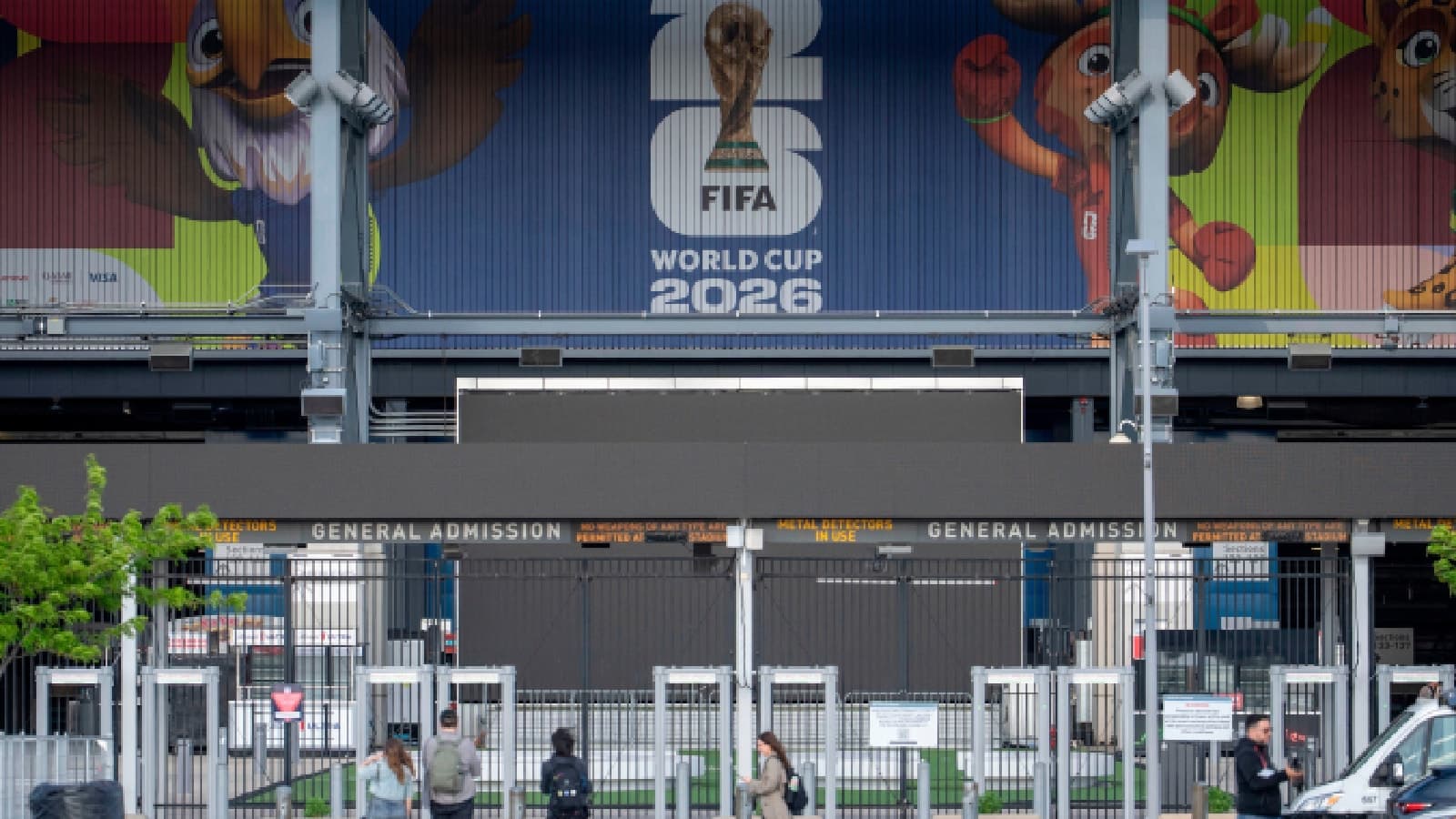
Global football governing body reverses course on stadium hydration rules following intense backlash from supporters and environmental advocates.
Facing mounting criticism over its stadium management policies, FIFA has partially backtracked on its controversial decision to ban water containers at the 2026 World Cup venues. In an announcement delivered by Chief Operating Officer Heimo Schirgi, the governing body confirmed that spectators will now be permitted to carry one disposable water bottle into match venues across the United States and Canada.
The policy shift comes just days after the initial "stadium code of conduct" update sparked widespread outrage. Supporters, particularly English fan groups, had slammed the move, pointing out that FIFA had previously given assurances that spectators would be allowed to carry empty containers to fill at free hydration stations. The rapid reversal underscores the power of fan sentiment in shaping the logistics of the quadrennial showpiece, which kicks off on June 11.
Strict Riders on Hydration
While the ban on bottles has been eased, FIFA has imposed stringent conditions on what fans can bring into the stands. Supporters are restricted to a single, soft, plastic, factory-sealed disposable bottle with a maximum capacity of 20 ounces (590 milliliters). Crucially, the governing body has upheld its prohibition on hard-sided, reusable water bottles, citing “safety and security reasons.”
This distinction has drawn fire from various quarters, including environmental groups and local officials in host cities like Toronto, who have labeled the restriction on reusable options as environmentally irresponsible. Critics argue that in an era where global sports events are increasingly scrutinized for their carbon footprint, preventing fans from utilizing eco-friendly, refillable containers contradicts broader sustainability goals.
Heat Concerns and Financial Scrutiny
The controversy over hydration access takes place against a backdrop of significant climatic concern. With the tournament held during the North American summer, meteorologists have warned that temperatures at 14 of the 16 host sites could reach dangerous levels. In response to the heat, FIFA has already committed to mandatory three-minute hydration breaks in every half of every match to protect the health of players and staff.
Beyond the logistical hurdles, the event is already facing intense scrutiny regarding its accessibility. Fans have expressed frustration over the tournament's pricing structure, with the top ticket price for the final reaching a staggering USD 10,990—a significant increase from the USD 8,680 price point set following the initial draw in December. For perspective, this remains a massive leap from the 2022 Qatar tournament, where tickets capped at USD 1,600.
As the countdown to the June 11 opening match continues, FIFA finds itself balancing operational control with the need to maintain public goodwill. Whether these concessions on water access will be enough to quell the growing discontent over ticket costs and stadium policies remains to be seen.
The PoliticalPedia Editorial Desk brings verified, sourced political news and analysis from across India.