FIFA and the Shift to Inclusive Arenas: Sensory Rooms Offer Calm Amidst Stadium Chaos
FIFA attempts to ease fan anxiety with in-stadia sensory rooms
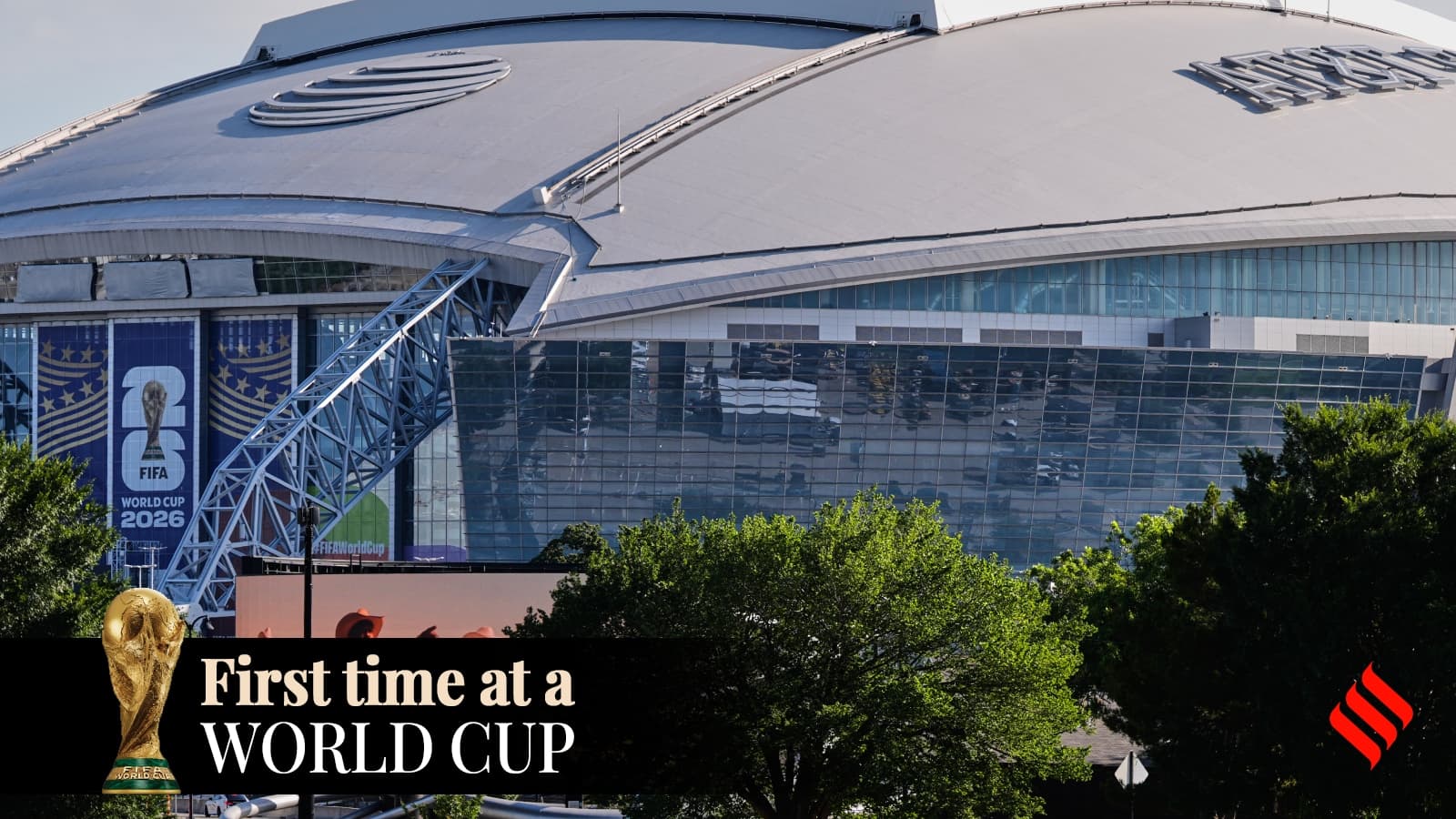
Global football governing body FIFA is implementing dedicated sensory-friendly zones to support neurodivergent fans, marking a significant step in making elite sports accessible to all.
The experience of a live football match is often defined by its sensory intensity: the roaring crowds, strobe lighting, and overwhelming noise that can turn a celebratory atmosphere into a daunting environment for those with sensory processing sensitivities. FIFA’s recent initiative to integrate dedicated sensory rooms into host stadiums aims to bridge this accessibility gap. By providing a controlled, quiet space where fans can retreat from the cacophony of the stands without leaving the venue, the governing body is acknowledging that the future of stadium design must cater to the diverse needs of its global audience.
Adapting Sports Infrastructure
This move mirrors a broader trend in professional athletics, where the focus is shifting from merely accommodating physical disabilities to addressing the holistic needs of spectators. Just as Shivani Naik has documented in her technical analysis of the evolving landscape for Indian athletes, where training regimens now incorporate everything from Yoganidra to biomechanical precision, the management of large-scale events is becoming increasingly nuanced. Whether it is the tactical preparations required for badminton stars like Satwiksairaj Rankireddy or the infrastructural updates required for international football fans, the goal remains the same: optimizing performance and experience through environmental control.
A Technical Approach to Inclusion
The implementation of sensory rooms is a data-driven response to fan feedback, moving beyond standard accessibility requirements. For Indian sports enthusiasts and global followers alike, this recent development signals a maturity in how major sporting bodies handle venue logistics. By offering tools like noise-canceling headphones, fidget toys, and dimmed lighting, FIFA is applying a "human-centric" design philosophy to stadium architecture—an approach that shares the spirit of modern sports science where every variable, from court drift in badminton to stadium acoustics, is meticulously analyzed to ensure an equitable playing field.
The Broader Sporting Context
While the focus remains on football, the ripple effects of this initiative are being noted across the Express and other major news outlets. The demand for such inclusivity is rising in tandem with the professionalization of sport. As young talents like Ayush Shetty rise to prominence, the expectations for how these athletes—and their fans—interact with their environment are higher than ever. By establishing these sensory hubs, FIFA is setting a primary benchmark for how major international tournaments can remain both high-octane and deeply inclusive, ensuring that the passion for the game does not come at the cost of personal well-being.
The PoliticalPedia Editorial Desk brings verified, sourced political news and analysis from across India.