Factory floors hum as India’s industrial output grows 5.1% under new series
India’s industrial output grows 5.1% on year in May under new series
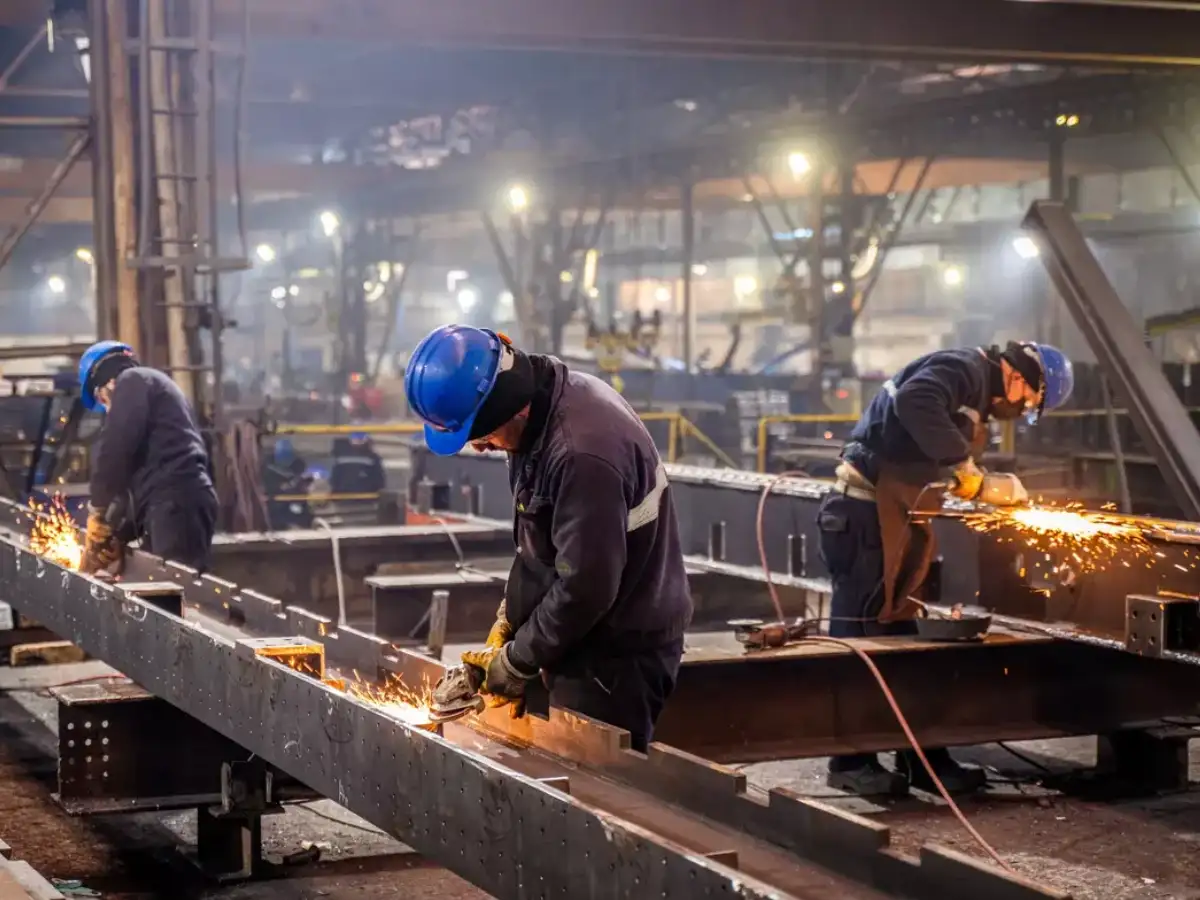
A base year shift and robust manufacturing numbers provide a fresh lens on India’s industrial pulse for May.
The machinery of India’s economy is recalibrating, both in the real world and on paper. The latest quick estimates from the Ministry of Statistics and Programme Implementation (MoSPI) show that industrial output grew by 5.1% in May 2026. This figure comes under the government’s transition to a new Index of Industrial Production (IIP) series, which has shifted its base year to 2022-23 to better capture the realities of a modern, evolving economy.
While the headline number offers a sense of stability, the internal mechanics tell a more nuanced story. Manufacturing, the traditional engine of the industrial sector, posted a 5.5% expansion, acting as the primary stabilizer for the month. Electricity and gas supply sectors also saw a significant surge, climbing 9.9%—a reflection of both seasonal demand and the persistent energy needs of an industrializing nation.
A changing baseline
This latest release is particularly notable because it arrives as the country moves away from older measurement frameworks. By updating the base year to 2022-23, the government aims to include emerging sectors that were previously sidelined in older indexes. For April, this same series recorded a growth of 4.9%, suggesting that despite the fluctuations in mining operations—which saw a contraction in May—the broader industrial trend is holding steady.
For businesses and policymakers, the switch to the 2022-23 series is more than a technical update; it is an attempt to map a post-pandemic economic landscape that looks vastly different from the previous decade. The challenge, however, remains consistent: ensuring that this growth is not merely a statistical rebound but a sustained expansion across all core sectors.
Why it matters
The broader economic picture remains a tug-of-war between resilient manufacturing and external headwinds. While the 5.1% growth in May beats some market forecasts, it exists against a backdrop of complex economic indicators. Analysts have been tracking the impact of energy costs on inflation, and while industrial output continues to grow, the dip in mining serves as a reminder of the fragility in supply chains.
Ultimately, this data provides a more accurate, if complicated, view of the Indian market. The transition to the new series effectively raises the bar for performance tracking. Whether this growth trajectory holds will depend on whether the manufacturing momentum can offset the volatility in energy-heavy sectors. For now, the factory floors remain busy, but the pressure to maintain this pace is only mounting as the fiscal year unfolds.
Priya Nair covers parties, elections and the business of power for PoliticalPedia.