Estadio Azteca Erupts as Julian Quinones Smashes FIFA World Cup 2026’s First Goal
WATCH: Estadio Azteca Erupts As Julian Quinones Smashes FIFA World Cup 2026's First Goal
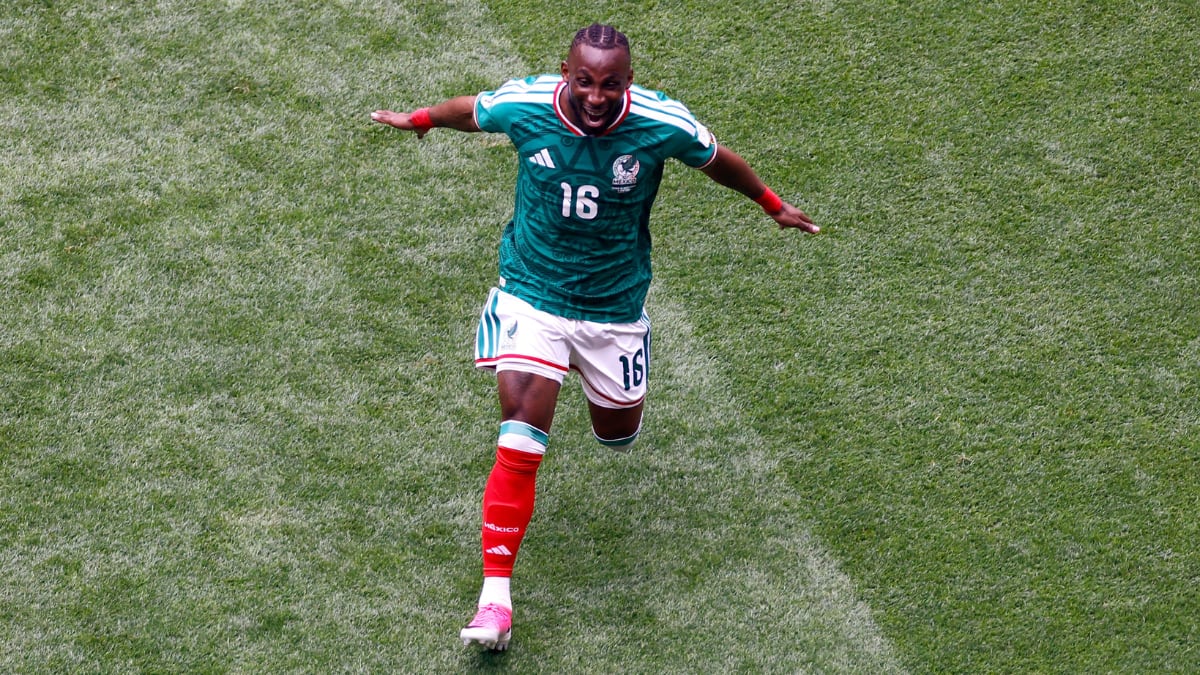
Mexico’s commanding 2-0 victory over South Africa in the tournament opener sets the stage for a historic, expanded 48-team global campaign.
The roar that shook the historic Estadio Azteca last night wasn't just about a goal; it was the sound of a tournament finally coming to life. As Mexico opened their FIFA World Cup 2026 campaign against South Africa, the pressure on the hosts to deliver a fast start was immense. Julian Quinones answered that call in style, capitalizing on a defensive error to slot home the tournament’s first goal. By nutmegging the South African goalkeeper, he didn't just break the deadlock—he etched his name into the record books as the man who ignited the world's largest-ever football spectacle.
A Match Defined by Control and Chaos
Mexico dictated the tempo from the opening whistle, rarely allowing South Africa a foothold in the game. While the final scoreline of 2-0 might suggest a contest, the reality on the pitch was one of total dominance. The hosts controlled possession, effectively suffocating the visitors' rhythm and leaving the South African defense scrambling for answers.
The match turned into an uphill battle for the visitors early on, but their task became nearly impossible in the second half. Siphephelo Sithole’s straight red card for a tactical foul outside the penalty area effectively drained the life out of South Africa’s comeback plans. With the man advantage, Mexico cruised, eventually doubling their lead through a calm, clinical finish from veteran striker Raul Jimenez.
The Bigger Picture
Why does this result matter beyond the scoreline? This tournament represents a massive shift in scale—the move to a 48-team format is an ambitious gamble by FIFA to expand the sport’s footprint. Mexico’s clinical performance in front of a capacity crowd proves that the heart of the game remains tied to traditional powerhouses capable of channeling home-field pressure into momentum. For the organizers, a decisive opening win at a venue as iconic as the Azteca is the perfect PR narrative to sustain interest throughout a month-long marathon.
However, the discipline issues displayed by the visitors—marked by the red card and a general inability to stifle the Mexican attack—highlight the growing gap between elite tactical setups and those still struggling to adapt to the high-intensity, high-stakes environment of an expanded global stage. As the competition progresses, the focus will shift to whether other underdogs can survive the tactical rigor that the hosts so easily navigated in this curtain-raiser.
Arjun Mehta reports on government, policy and Parliament for PoliticalPedia, in English and Hindi.